Yes, rabbits can safely eat roses, including the petals, leaves, and stems. Roses (Rosa) are one of the most rabbit-friendly plants you can offer as an occasional treat. They contain no toxic compounds and most rabbits find them irresistible. That said, roses should supplement your rabbit's core diet of unlimited hay, fresh vegetables, and a measured portion of pellets, not replace any of those staples.
If you grow roses in your garden or receive a bouquet, you may have wondered whether sharing a few petals with your bunny is safe. The good news is that roses are completely non-toxic to rabbits. In fact, wild rabbits are notorious for raiding rose gardens, much to the frustration of gardeners everywhere.
In this guide, we cover which parts of the rose plant are safe, how much to feed, potential risks of overfeeding, and how to introduce roses into your rabbit's diet the right way.
Which Parts of the Rose Plant Can Rabbits Eat?
One of the most common questions rabbit owners ask is whether the entire rose plant is safe or only certain parts. The answer is straightforward: rabbits can eat virtually every part of a rose bush.
Rose Petals
Rose petals are the most popular part to feed rabbits. They are soft, fragrant, and easy for rabbits to chew. Most bunnies will eagerly accept rose petals from your hand. Petals contain small amounts of vitamins A and C, along with natural antioxidants. They are low in calories and sugar compared to many fruit-based treats, making them a relatively guilt-free snack.
When offering petals, make sure they come from roses that have not been treated with pesticides, herbicides, or chemical fertilizers. Store-bought bouquets are often sprayed with preservatives and chemicals to extend shelf life, so these are not safe for rabbits. Only use petals from organically grown roses or roses you have grown yourself without chemical treatments.
Rose Leaves
Rose leaves are also safe for rabbits to eat. The foliage of rose bushes is slightly higher in fiber than the petals, which is beneficial for digestive health. Rabbits in the wild commonly eat rose leaves when they encounter the plants in gardens and hedgerows. Fresh, green leaves are the best option. Avoid feeding dried-out, brown, or wilted leaves, as they may have begun to decompose.
Rose Stems
Rabbits can chew on rose stems, and many actually enjoy gnawing on them. The woody texture provides good enrichment and can help wear down their continuously growing teeth. However, be mindful of thorns. While some rabbit owners report that their bunnies navigate around thorns without issue, it is safer to trim off the larger thorns before offering stems. Small, soft thorns on young growth are generally not a concern, but large, sharp thorns on mature stems could potentially injure your rabbit's mouth or paws.
Rose Hips
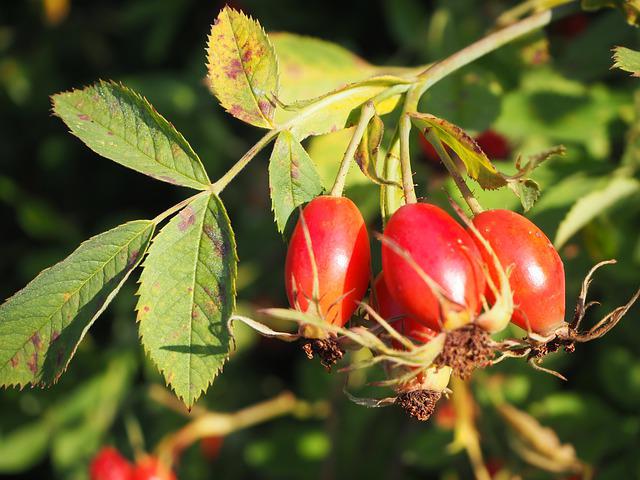
Rose hips, the round seed pods that form after the flower fades, are also safe for rabbits. They are particularly rich in vitamin C and make an excellent occasional treat. If you want to learn more about feeding these specifically, check out our article on whether rabbits can eat rose hips. Many commercial rabbit treats actually include dried rose hips as an ingredient, which speaks to their safety and palatability.
What Are the Nutritional Benefits of Roses for Rabbits?
Roses are not a nutritional powerhouse compared to leafy greens or hay, but they do offer some beneficial compounds that make them a worthwhile occasional addition to your rabbit's diet.
| Nutrient | Benefit for Rabbits | Found In |
|---|---|---|
| Vitamin C | Supports immune function | Rose hips, petals |
| Vitamin A | Promotes eye and skin health | Leaves, petals |
| Fiber | Aids digestion and gut motility | Leaves, stems |
| Antioxidants | Reduces cellular stress | Petals, rose hips |
| Water content | Contributes to hydration | Fresh petals, leaves |
While rabbits synthesize their own vitamin C (unlike guinea pigs), the antioxidant and fiber content of roses still provides real value. The natural variety in taste and texture also offers mental enrichment, which is important for preventing boredom in domestic rabbits.
How Many Roses Should You Feed Your Rabbit?
Moderation is the key principle when feeding roses to rabbits. Even though roses are safe, they should be treated as an occasional supplement, not a dietary staple.
A good guideline is to offer a small handful of rose petals (about 3 to 5 petals) or a few leaves two to three times per week. This amount provides variety and enrichment without displacing the critical components of your rabbit's diet.
Serving Size by Rabbit Weight
- Small breeds (under 2 kg): 2 to 3 petals or 1 to 2 small leaves, twice per week
- Medium breeds (2 to 4 kg): 4 to 5 petals or 2 to 3 leaves, two to three times per week
- Large breeds (over 4 kg): 5 to 8 petals or 3 to 4 leaves, two to three times per week
Always ensure your rabbit is eating its full daily portion of hay before offering any treats or supplements. Pellets and hay should always take priority in a rabbit's feeding schedule.
What Are the Risks of Feeding Too Many Roses to Rabbits?
While roses are non-toxic, overfeeding them can cause real digestive problems. Here are the main risks to be aware of.
GI Stasis
Gastrointestinal stasis is one of the most dangerous conditions a rabbit can develop. It occurs when the digestive system slows down or stops entirely. If your rabbit fills up on roses instead of eating enough hay, the lack of long-strand fiber can trigger GI stasis. Symptoms include loss of appetite, reduced or absent droppings, a bloated abdomen, and lethargy. GI stasis requires immediate veterinary attention, as it can be fatal within 24 to 48 hours if untreated.
Diarrhea and Soft Stools
Introducing any new food too quickly can upset a rabbit's delicate digestive balance. Roses contain moisture and natural sugars that, in excess, can cause loose stools or outright diarrhea. This is especially true for rabbits that have never eaten roses before. Always introduce roses gradually over a period of one to two weeks, starting with just a single petal and monitoring your rabbit's droppings for any changes.
Uneaten Cecotropes
If roses displace hay in your rabbit's diet, the resulting fiber deficit can lead to soft, mushy cecotropes that your rabbit fails to consume. Cecotropes are the nutrient-rich "night droppings" that rabbits re-ingest for essential B vitamins and beneficial gut bacteria. When cecotropes go uneaten, it usually signals a dietary imbalance. Increasing hay intake and reducing treats typically resolves this within a few weeks.
Pesticide Exposure
This is arguably the biggest real-world risk when feeding roses to rabbits. Commercially grown roses and those from florists are almost always treated with pesticides, fungicides, and preservatives. These chemicals can cause serious poisoning in rabbits, ranging from mild gastrointestinal upset to organ damage. Never feed your rabbit roses from a florist, grocery store bouquet, or any garden where chemical treatments have been used.
How to Safely Introduce Roses to Your Rabbit's Diet
Follow these steps to safely add roses to your rabbit's treat rotation:
- Source organic roses. Only use roses from your own garden (if untreated) or from a source you trust to be pesticide-free.
- Wash thoroughly. Rinse the petals and leaves under cool running water to remove any dirt, insects, or residue.
- Start small. Offer just one petal on the first day and observe your rabbit for 24 hours. Watch for any changes in droppings, appetite, or behavior.
- Increase gradually. If your rabbit tolerates the first petal without issues, slowly increase the amount over the next week or two.
- Monitor droppings. Healthy rabbit droppings should be round, firm, and consistent in size. Any softening, mucus coating, or reduction in quantity is a signal to stop feeding roses and return to a hay-only diet for a few days.
- Trim thorns on stems. If you offer stems for chewing enrichment, remove any large, sharp thorns first.
Do Wild Rabbits Eat Roses?
Absolutely. Wild rabbits are among the most common garden pests that target rose bushes. They eat the petals, leaves, buds, and tender new stems with enthusiasm. Gardeners across North America, Europe, and Australia regularly report damage to their rose gardens from wild rabbit populations.
Wild rabbits typically feed on roses during the spring and summer months when new growth is abundant. They tend to favor young, tender shoots and fresh flower buds over older, woody growth. This natural feeding behavior is one of the strongest indicators that roses are safe for domestic rabbits as well.
According to the University of Maryland Extension, rabbits are one of the primary wildlife species that cause damage to ornamental plants including roses, and gardeners often need physical barriers like fencing to protect their rose bushes from rabbit browsing.
Which Roses Are Safe for Rabbits?
All common rose varieties in the Rosa genus are safe for rabbits. This includes:
- Hybrid tea roses: The classic long-stemmed roses found in most gardens
- Floribunda roses: Cluster-blooming varieties that produce many flowers
- Climbing roses: Varieties that grow on trellises and arbors
- Shrub roses: Hardy, low-maintenance landscape roses
- Wild roses (Rosa canina, Rosa rugosa): Native species found in hedgerows and wild areas
- Miniature roses: Compact varieties grown in pots
The color of the rose does not affect its safety. Red, pink, white, yellow, and orange roses are all equally safe for rabbits to consume.
Plants That Are NOT Roses but Have "Rose" in the Name
Be careful with plants that contain "rose" in their common name but are not true roses. Some of these can be toxic to rabbits:
- Christmas rose (Helleborus niger): Toxic to rabbits. Contains protoanemonin and other harmful glycosides.
- Primrose (Primula): Mildly toxic. Can cause mouth irritation and gastrointestinal upset.
- Rose of Sharon (Hibiscus syriacus): Generally considered safe, but not a true rose.
- Desert rose (Adenium obesum): Highly toxic. Contains cardiac glycosides that can be fatal.
When in doubt, verify the Latin name of the plant. Only plants in the genus Rosa are confirmed safe.
Safe Flower and Plant Alternatives to Roses
If you want to offer your rabbit a variety of edible flowers and plants, several other options are safe choices:
- Dandelions: Rich in vitamins A and K. Both leaves and flowers are safe and most rabbits love them.
- Clover: A natural forage plant that rabbits enjoy. Feed in moderation due to its calcium content.
- Nasturtiums: Both the flowers and leaves are safe and provide a peppery flavor rabbits seem to enjoy.
- Chickweed: A common garden weed that is highly nutritious and safe for rabbits.
- Chamomile: Safe in small amounts and may have calming properties.
- Lavender: Safe for rabbits, though not all bunnies enjoy the strong scent.
- Marigold (Calendula): The pot marigold variety is safe. Avoid French and African marigolds (Tagetes).
How to Protect Your Garden Roses from Rabbits
If you grow roses and also keep pet rabbits that roam your garden, you may need to protect certain plants. Here are some practical strategies:
- Chicken wire fencing: A 60 to 90 cm fence around rose beds will deter most rabbits. Bury the bottom 15 cm underground to prevent digging underneath.
- Raised beds: Growing roses in raised beds at least 60 cm high puts them out of easy reach.
- Designated grazing areas: Plant rabbit-safe herbs and flowers in one area of the garden to draw your rabbits away from your prized roses.
- Supervised outdoor time: Only allow garden access when you can supervise, so you can redirect your rabbit away from roses you want to keep intact.
Avoid using any chemical repellents on or near plants your rabbit might access. Many commercial rabbit deterrents contain ingredients that are toxic if ingested.
Can Baby Rabbits Eat Roses?
Baby rabbits (kits) under 12 weeks old should not eat roses or any fresh foods. Young rabbits have very sensitive digestive systems that are still developing the bacterial colonies needed to process anything beyond their mother's milk and alfalfa hay. Introducing fresh foods too early can cause severe, potentially fatal diarrhea.
After 12 weeks of age, you can begin introducing small amounts of fresh foods one at a time. Leafy greens like romaine lettuce and herbs should be introduced first. Flowers like rose petals can be added after your young rabbit has successfully tolerated several types of leafy greens without any digestive issues, typically around 4 to 5 months of age.
Signs Your Rabbit Is Not Tolerating Roses Well
Even though roses are safe for the vast majority of rabbits, individual sensitivities can occur. Stop feeding roses immediately and consult your veterinarian if you notice any of the following:
- Soft, mushy, or watery droppings within 24 hours of eating roses
- Reduced appetite or refusal to eat hay
- Bloating or a distended abdomen
- Lethargy or unusual inactivity
- Excessive gas or gurgling sounds from the stomach
- Hunched posture indicating abdominal discomfort
These symptoms may indicate a digestive sensitivity or could be signs of GI stasis. Early intervention is critical for a good outcome.
Frequently Asked Questions
Are rose thorns dangerous for rabbits?
Rose thorns are not toxic, but large, sharp thorns on mature stems can potentially scratch or injure your rabbit's mouth, tongue, or paws. Trim off large thorns before offering rose stems for chewing. Many rabbits naturally avoid the thorniest parts, but it is better to be cautious and remove them.
Can rabbits eat dried rose petals?
Yes, dried rose petals are safe for rabbits as long as they were dried naturally without any added chemicals, fragrances, or preservatives. Dried rose petals make a convenient treat that you can store for months. Spread fresh petals on a clean surface in a warm, dry area and allow them to air dry completely before storing in an airtight container.
Can roses replace hay in a rabbit's diet?
No, roses should never replace hay. Hay provides the long-strand fiber that is essential for proper gut motility and dental wear in rabbits. Roses lack the fiber density that rabbits need. Hay should make up at least 80% of your rabbit's diet, with roses serving only as an occasional treat or supplement.
How often can I feed roses to my rabbit?
You can offer roses two to three times per week in small quantities. A handful of petals or a few leaves per session is appropriate for most adult rabbits. Always ensure your rabbit has eaten its daily hay portion before offering roses or any other treats.
Are store-bought roses safe for rabbits?
No. Store-bought roses from florists and grocery stores are almost always treated with pesticides, fungicides, and chemical preservatives. These chemicals can be harmful or even toxic to rabbits. Only feed roses that you have grown yourself without chemical treatments or sourced from a verified organic, pesticide-free grower.
Cite this article:
Cite this article:
BunnySync (March 12, 2026) Can Rabbits Eat Roses? Safe Feeding Guide for Rabbit Owners. Retrieved from https://bunnysync.com/blog/can-rabbits-eat-roses.
"Can Rabbits Eat Roses? Safe Feeding Guide for Rabbit Owners." BunnySync - March 12, 2026, https://bunnysync.com/blog/can-rabbits-eat-roses