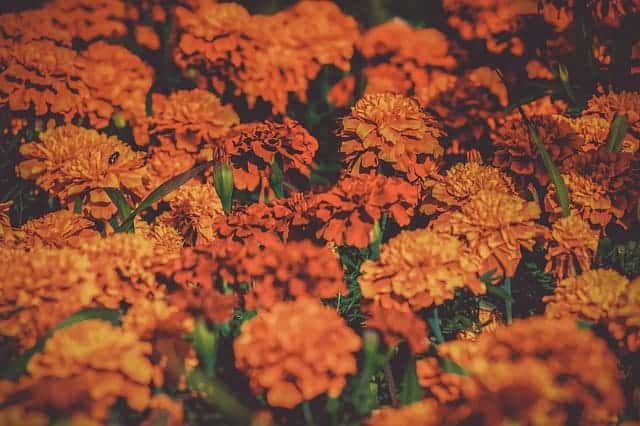
Yes, rabbits can eat marigolds (Tagetes) safely, and most rabbits genuinely enjoy them. Marigolds are one of the most commonly recommended edible flowers for domestic rabbits, offering both nutritional benefits and enrichment value. As breeders, we regularly grow marigolds specifically for our rabbits during the summer months. However, marigolds should only be offered as a supplement to your rabbit's core diet of hay, fresh vegetables, and pellets.
Below, we cover everything you need to know about feeding marigolds to your rabbits, including which varieties are safe, how much to offer, potential risks, and the best alternatives.
Are All Types of Marigolds Safe for Rabbits?
Not all plants called "marigolds" belong to the same genus, and this distinction matters for rabbit safety. The common garden marigold (Tagetes) is the variety most people grow, and it is completely safe for rabbits. There are three main species within this genus that you will encounter at garden centers:
| Marigold Type | Scientific Name | Safe for Rabbits? | Notes |
|---|---|---|---|
| French Marigold | Tagetes patula | Yes | Compact plants, most common in gardens |
| African Marigold | Tagetes erecta | Yes | Larger blooms, taller plants |
| Signet Marigold | Tagetes tenuifolia | Yes | Smaller flowers, citrusy scent |
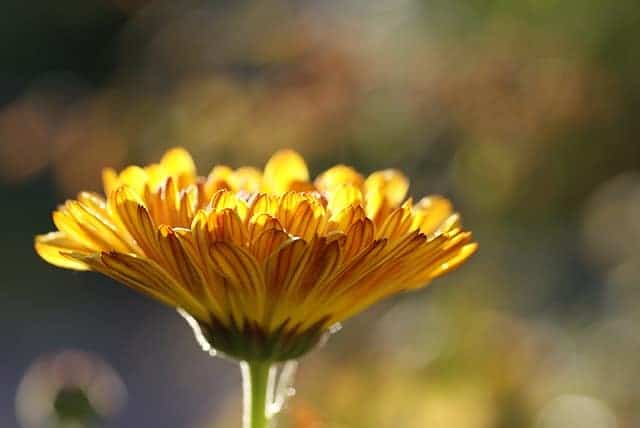
| Pot Marigold | Calendula officinalis | Yes | Different genus, also safe and medicinal |
| Marsh Marigold | Caltha palustris | No | Toxic to rabbits, avoid completely |
The critical exception here is the marsh marigold (Caltha palustris), which is not a true marigold at all. Marsh marigolds contain protoanemonin, a compound that is toxic to rabbits and can cause oral irritation, drooling, and gastrointestinal upset. If you forage plants for your rabbits, always verify that you are picking Tagetes or Calendula species, not marsh marigolds.
What Parts of the Marigold Plant Can Rabbits Eat?
Rabbits can safely consume every above-ground part of Tagetes marigolds. Here is a breakdown of each plant part:
- Flowers (petals and heads): The most popular part to feed. Rabbits are attracted to the bright colors and slightly peppery taste. The petals contain lutein and zeaxanthin, which are beneficial carotenoids.
- Leaves: Safe to feed and often consumed by rabbits who have access to whole plants. The leaves have a stronger, more pungent aroma than the flowers.
- Stems: Edible but tougher. Younger, green stems are preferred. Older woody stems may be ignored by your rabbit.
Avoid feeding roots or any part of the plant that has been treated with pesticides, herbicides, or chemical fertilizers. If you purchase marigolds from a nursery, assume they have been treated unless labeled as organic. The safest option is to grow your own from untreated seed.
Nutritional Benefits of Marigolds for Rabbits
Marigolds are not a significant source of calories or fiber for rabbits, but they do offer some valuable micronutrients and bioactive compounds. According to research published in the Journal of Agricultural and Food Chemistry, Tagetes species contain notable levels of:
- Lutein: A carotenoid pigment that supports eye health. Marigolds are one of the richest natural sources of lutein.
- Flavonoids: Antioxidant compounds that help reduce oxidative stress in the body.
- Essential oils: Including limonene and ocimene, which have mild antimicrobial properties.
- Vitamin C: Present in small amounts, contributing to immune function.
While these nutrients are beneficial, marigolds should never replace the staple components of a rabbit's diet. Hay should make up 80-85% of your rabbit's daily intake, providing the long-strand fiber essential for healthy gut motility and dental wear.
How Much Marigold Should You Feed Your Rabbit?
Marigolds fall into the "treat and enrichment" category of a rabbit's diet, similar to fruit and other edible flowers. Here are our recommended serving guidelines based on years of breeding experience:
| Rabbit Size | Weight Range | Marigold Serving | Frequency |
|---|---|---|---|
| Small breeds | 1-2 kg (2-4 lbs) | 1-2 flower heads | 2-3 times per week |
| Medium breeds | 2-4 kg (4-9 lbs) | 2-3 flower heads | 2-3 times per week |
| Large breeds | 4-6 kg (9-13 lbs) | 3-5 flower heads | 2-3 times per week |
| Giant breeds | 6+ kg (13+ lbs) | 4-6 flower heads | 2-3 times per week |
When introducing marigolds for the first time, start with a single petal or half a flower head. Wait 24 hours and check your rabbit's droppings. If the fecal pellets remain firm and round with no signs of soft stool or cecal dysbiosis, you can gradually increase the amount over the following week.
Signs You Are Feeding Too Many Marigolds
Watch for these indicators that your rabbit is getting too many marigolds or other supplemental foods:
- Soft, mushy, or clumped droppings
- Uneaten cecotropes accumulating in the enclosure
- Decreased hay consumption
- Bloating or a distended abdomen
- Reduced appetite for regular meals
If you notice any of these signs, remove marigolds and all treats from the diet immediately. Offer unlimited hay and fresh water for 48 to 72 hours until droppings return to normal. If symptoms persist beyond 48 hours, contact your rabbit-savvy veterinarian.
Risks of Overfeeding Marigolds to Rabbits
While marigolds are safe, overfeeding them can cause real problems. Here are the three most common issues we see in our rabbitry when owners go overboard with treats like flowers:
GI Stasis
Gastrointestinal stasis occurs when the digestive system slows down or stops completely. This happens when a rabbit fills up on low-fiber foods like flowers instead of eating enough hay. GI stasis is a medical emergency that can become fatal within 24 to 48 hours if untreated. Symptoms include a hunched posture, refusal to eat, small or absent droppings, and teeth grinding from pain.
Diarrhea and Soft Cecotropes
Introducing too many marigolds too quickly overwhelms the delicate balance of bacteria in your rabbit's cecum. This can cause true diarrhea (watery stool) or, more commonly, soft uneaten cecotropes. True diarrhea in rabbits is always a veterinary emergency. Soft cecotropes, while less urgent, indicate that the diet needs adjustment. Increasing hay intake and eliminating treats for one to two weeks typically resolves the issue.
Nutrient Imbalance
Rabbits that eat too many treats, including flowers, may reduce their intake of hay and pellets. Over time, this can lead to deficiencies in calcium, vitamin D, and fiber. Dental problems from insufficient hay-based tooth wear are another consequence, as a rabbit's teeth grow continuously at a rate of approximately 2 to 3 mm per week.
How to Grow Marigolds for Your Rabbits
Growing your own marigolds is the safest and most cost-effective way to provide this treat. Marigolds are one of the easiest annual flowers to cultivate, even for beginners.
Getting Started
- Choose untreated seeds: Purchase organic, non-treated marigold seeds. French marigolds (Tagetes patula) are the easiest variety for beginners.
- Start indoors or direct sow: Sow seeds indoors 6 to 8 weeks before your last frost date, or direct sow after all frost danger has passed. Seeds germinate in 5 to 7 days.
- Spacing: Plant seedlings 20 to 25 cm (8 to 10 inches) apart in well-draining soil with full sun exposure.
- Watering: Water at the base of the plant to avoid fungal issues. Marigolds are drought-tolerant once established.
- Harvesting: Pick flowers in the morning after dew has dried. Deadheading spent blooms encourages continuous flowering for up to 8 weeks.
Drying Marigolds for Winter
You can preserve marigolds so your rabbits can enjoy them year-round. Hang flower heads upside down in a warm, dry, well-ventilated area for 1 to 2 weeks. Once fully dried, store in an airtight container away from direct light. Dried marigold petals retain their lutein content and make excellent additions to your rabbit's hay pile during winter months. Most rabbits enjoy foraging through hay sprinkled with dried petals.
Do Wild Rabbits Eat Marigolds?
Yes, wild rabbits readily eat marigolds when they encounter them. In fact, gardeners frequently list marigolds among the plants that rabbits damage most in summer gardens. There is a common myth that marigolds repel rabbits due to their strong scent, but this is not true. While some animals avoid the pungent smell of Tagetes foliage, rabbits are not deterred by it.
Wild rabbits in temperate climates encounter marigolds primarily during summer when the plants bloom prolifically. In suburban and rural areas where marigolds grow in flower beds, wild rabbits will eat both the flowers and the foliage. This natural behavior confirms that the plant is well-tolerated by the rabbit digestive system.
Other Safe Flowers and Plants for Rabbits
If your rabbit enjoys marigolds, they will likely appreciate other edible flowers too. Here are some safe alternatives that we regularly feed in our rabbitry:
- Roses: All parts of the rose plant are safe, including petals, leaves, and stems (remove thorns first).
- Dandelions: A nutritional powerhouse. Leaves, flowers, and roots are all edible and rich in vitamins A and K.
- Clover: Both red and white clover are safe. Feed in moderation due to high calcium content.
- Nasturtiums: Flowers and leaves are safe and contain natural vitamin C.
- Chamomile: Flowers are safe and may have a mild calming effect.
- Lavender: Safe in small amounts. Most rabbits either love it or ignore it entirely.
- Sunflower petals: The petals are safe; limit seeds due to high fat content.
Flowers and Plants That Are Toxic to Rabbits
Equally important is knowing which common garden flowers to avoid. Never feed your rabbit any of the following:
- Lily of the valley (Convallaria majalis)
- Foxglove (Digitalis)
- Oleander (Nerium oleander)
- Rhododendron and azalea
- Poppy (Papaver)
- Tulips and daffodils (bulb plants)
- Marsh marigold (Caltha palustris), as noted above
When in doubt about whether a flower is safe, do not offer it. Stick to plants that have been verified as rabbit-safe by the House Rabbit Society.
Can Baby Rabbits Eat Marigolds?
Baby rabbits (kits) under 12 weeks old should not be given marigolds or any fresh foods other than hay and their mother's milk. Their digestive systems are still developing and are highly sensitive to dietary changes. After 12 weeks, you can begin introducing fresh vegetables one at a time, starting with leafy greens like romaine lettuce or cilantro.
Flowers like marigolds should be introduced last in the dietary progression, after your young rabbit has successfully tolerated a variety of vegetables for at least 2 to 4 weeks. We typically wait until rabbits are 16 to 20 weeks old before offering any edible flowers.
Frequently Asked Questions
Can marigolds make rabbits sick?
Garden marigolds (Tagetes) will not make healthy rabbits sick when fed in appropriate amounts. Problems only arise from overfeeding, feeding pesticide-treated plants, or confusing toxic marsh marigolds (Caltha palustris) with true marigolds. Stick to 2-5 flower heads, 2-3 times per week.
Do marigolds repel rabbits from gardens?
No. Despite this popular gardening myth, marigolds do not repel rabbits. Wild and domestic rabbits eat marigold flowers and foliage willingly. If you are trying to protect your garden from rabbits, physical fencing is far more effective than planting marigolds as a deterrent.
Can rabbits eat dried marigold petals?
Yes, dried marigold petals are safe and make an excellent enrichment treat. Sprinkle them over hay to encourage foraging behavior. Dried petals retain beneficial carotenoids like lutein. Many commercial rabbit treat mixes include dried marigold petals as an ingredient.
Are pot marigolds (calendula) safe for rabbits?
Yes, pot marigolds (Calendula officinalis) are safe for rabbits and have been used in herbal medicine for centuries. Calendula has mild anti-inflammatory properties. Both the petals and leaves can be fed fresh or dried. Feed in the same moderate quantities as regular marigolds.
Can I feed my rabbit marigolds from a florist or store?
We do not recommend feeding store-bought or florist marigolds to rabbits. These plants are almost always treated with pesticides, fungicides, or preservatives that can be harmful. Only feed marigolds you have grown yourself from untreated seeds or sourced from a verified organic grower.
Cite this article:
Cite this article:
BunnySync (March 13, 2026) Can Rabbits Eat Marigolds? Safe Feeding Guide for Rabbit Owners. Retrieved from https://bunnysync.com/blog/can-rabbits-eat-marigolds.
"Can Rabbits Eat Marigolds? Safe Feeding Guide for Rabbit Owners." BunnySync - March 13, 2026, https://bunnysync.com/blog/can-rabbits-eat-marigolds