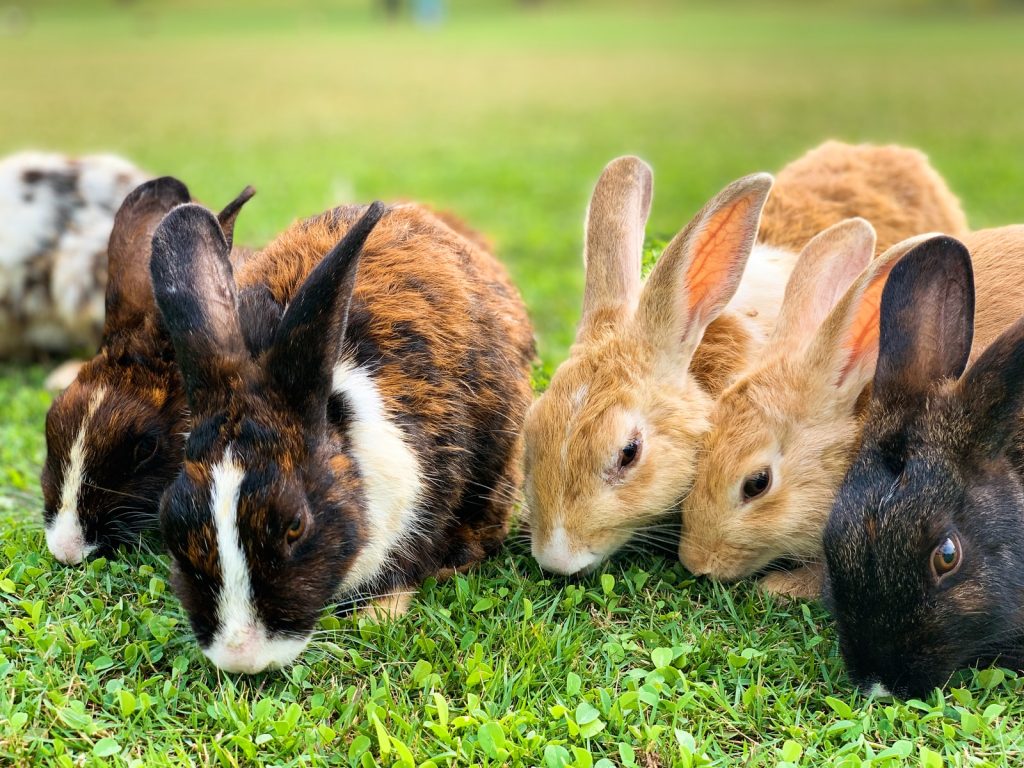
Yes, rabbits can safely eat cat grass. Cat grass is typically grown from wheatgrass, oat, barley, or rye seeds, all of which are non-toxic and nutritious for rabbits when fed in moderation. Cat grass makes an excellent supplemental green for your rabbit's diet, providing vitamins and minerals alongside their primary hay intake. Just remember that cat grass should never replace hay as the foundation of your rabbit's diet.
Cat grass is one of the safest fresh greens you can offer your rabbit, and most bunnies absolutely love it. Whether you buy it pre-grown from a pet store or grow it yourself from seed, cat grass provides a natural foraging experience that mimics what wild rabbits eat in nature. Below, we cover everything you need to know about feeding cat grass to your rabbit, including portion sizes, benefits, risks, and how to grow your own at home.
What Types of Cat Grass Can Rabbits Eat?
Cat grass is a general term for several types of grass grown indoors specifically for pets. All common varieties of cat grass are safe for rabbits. Here is a breakdown of each type and what it offers:
| Cat Grass Variety | Botanical Name | Safe for Rabbits? | Key Nutrients |
|---|---|---|---|
| Wheatgrass | Triticum aestivum | Yes | Vitamins A, C, E, K, iron, fiber |
| Oat grass | Avena sativa | Yes | B vitamins, folic acid, antioxidants |
| Barley grass | Hordeum vulgare | Yes | Potassium, calcium, magnesium |
| Rye grass | Lolium perenne | Yes | Fiber, protein, minerals |
| Orchard grass | Dactylis glomerata | Yes | Fiber, moderate protein |
Many commercial cat grass kits contain a blend of two or more of these grasses. Regardless of which variety you choose, all of them are safe for your rabbit. Wheatgrass is the most popular option and is widely available at pet stores and garden centers. Oat grass tends to be slightly sweeter, which some rabbits prefer, though it can be more prone to mold if overwatered.
If you already grow wheatgrass for your rabbit, cat grass is essentially the same thing. The label "cat grass" is simply a marketing term for these grasses, not a distinct plant species.
Is Cat Grass Safe for Rabbits of All Ages?
Cat grass is safe for adult rabbits, but you should not feed it to very young rabbits. Here are the age-specific guidelines every rabbit owner should follow:
Rabbits Under 12 Weeks Old
Do not feed cat grass or any fresh greens to rabbits younger than 12 weeks. Their digestive systems are still developing, and introducing fresh plants too early can cause serious gastrointestinal upset. Stick to unlimited hay (alfalfa hay for young kits) and age-appropriate pellets during this stage.
Rabbits 12 Weeks to 7 Months
You can begin introducing cat grass in very small amounts, about half an ounce (15 grams) at a time. Introduce it as one new food, and wait 48 hours to watch for any digestive changes such as softer stools or reduced appetite. Only introduce one new green at a time during this period.
Adult Rabbits (1 to 5 Years)
Adult rabbits can enjoy cat grass as part of their daily vegetable portion. The recommended vegetable intake for adult rabbits is 1 to 2 cups of mixed greens per 6 pounds (2.7 kg) of body weight per day. Cat grass can make up part of this allocation.
Senior Rabbits (6+ Years)
Senior rabbits can continue eating cat grass as long as they tolerate it well. Monitor older rabbits more closely for any digestive changes, and consider offering slightly smaller portions if they have become less active.
How Much Cat Grass Can a Rabbit Eat Per Day?
The right amount of cat grass depends on your rabbit's weight and overall diet. Cat grass falls into the "leafy greens and vegetables" category, which should make up roughly 10% of your rabbit's total food intake. The remaining 80 to 90% should come from unlimited timothy hay, with a small amount of quality pellets rounding out the diet.
Here are estimated daily portions of cat grass based on breed size:
| Rabbit Size (Breed Weight) | Total Greens Per Day | Cat Grass Portion (Part of Total) |
|---|---|---|
| Small breed (1 to 3.5 lbs) | Up to 128 grams (about 1 cup) | A small handful mixed with other greens |
| Medium breed (6 to 10 lbs) | 384 to 640 grams (2 to 3 cups) | 1 to 2 handfuls mixed with other greens |
| Large breed (9 to 12 lbs) | 384 to 760 grams (2 to 4 cups) | 2 to 3 handfuls mixed with other greens |
Important: Cat grass should not be the only green your rabbit eats. Rotate it with other safe vegetables for rabbits such as romaine lettuce, herbs, and leafy greens to provide a balanced range of nutrients. Variety is key to a healthy rabbit diet.
What Are the Benefits of Cat Grass for Rabbits?
Cat grass offers several benefits for rabbits beyond simple nutrition. Here is why experienced breeders often include it as part of a balanced diet:
Rich in Vitamins and Minerals
Wheatgrass and oat grass contain vitamins A, C, E, and K, along with iron, potassium, magnesium, and B vitamins. These micronutrients support immune function, healthy skin and coat, and overall vitality. While hay provides the essential fiber rabbits need, cat grass supplements their diet with a broader vitamin profile that dried grasses lose during the curing process.
Natural Foraging and Enrichment
Rabbits are natural foragers. In the wild, they spend hours each day grazing on a variety of grasses and plants. Offering a pot of growing cat grass allows your indoor rabbit to pull and nibble at live plants, which stimulates their natural foraging instincts and reduces boredom. This type of enrichment is especially valuable for rabbits that spend most of their time in a hutch or enclosure.
Supports Digestive Motility
The green fiber in cat grass helps stimulate gut motility and supports the passage of ingested fur through the digestive tract. While rabbits do not vomit hairballs like cats do, they can still develop fur blockages in their gastrointestinal tract. The additional fiber from cat grass, combined with a hay-rich diet, helps keep things moving smoothly.
Hydration Boost
Fresh cat grass has a high water content compared to dried hay. This extra moisture can be beneficial, especially during warm weather or for rabbits that do not drink as much water as they should. It is not a substitute for a fresh water supply, but it contributes to overall hydration.
Dental Health Support
Chewing on tough grass blades helps wear down a rabbit's continuously growing teeth. While timothy hay is the primary tool for dental wear, cat grass provides additional chewing variety that contributes to healthy tooth maintenance over time.
How to Grow Cat Grass for Your Rabbit at Home
Growing your own cat grass is inexpensive, easy, and ensures your rabbit gets a pesticide-free, fresh supply. According to the Texas A&M College of Veterinary Medicine, cat grass seeds are generally non-GMO and curated to grow quickly indoors. Here is a step-by-step guide:
What You Need
- Cat grass seeds (wheatgrass, oat grass, or a blend)
- A shallow pot or tray with drainage holes
- Organic, pesticide-free potting soil
- A spray bottle for watering
- A sunny windowsill or grow light
Step-by-Step Growing Instructions
- Soak the seeds. Place your seeds in a bowl of water and soak them for 8 to 12 hours. This speeds up germination significantly.
- Prepare the container. Fill your pot or tray with about 2 inches of organic potting soil. Moisten the soil lightly with a spray bottle.
- Spread the seeds. Scatter the soaked seeds evenly across the soil surface. You want a fairly dense layer, but the seeds should not be piled on top of each other.
- Cover lightly. Sprinkle a thin layer of soil (about half an inch) over the seeds. Mist the surface gently.
- Keep moist. Mist the soil once or twice daily. The soil should stay damp but never waterlogged, as excess moisture leads to mold growth.
- Provide light. Place the container in a spot that gets indirect sunlight. Direct, intense sunlight can dry out the seedlings too quickly.
- Harvest time. The grass will be ready to offer your rabbit in 7 to 14 days, once it reaches about 4 to 6 inches tall. You can either cut the grass and place it in your rabbit's food bowl, or let your rabbit nibble directly from the pot.
Pro tip from experienced breeders: Start a new pot every 5 to 7 days so you always have a fresh batch growing while your rabbit finishes the current one. Cat grass typically lasts 2 to 3 weeks before it starts to yellow and needs replacing.
Safety Precautions When Growing Cat Grass
- Never use treated seeds. Make sure your seeds are labeled for pet consumption or organic gardening. Some agricultural seeds are coated with fungicides that are toxic to small animals.
- Use organic soil. Avoid potting mixes with added fertilizers or chemical wetting agents. Plain organic potting soil or coconut coir works best.
- Watch for mold. If you see white fuzzy growth on the soil surface, discard the entire batch and start fresh. Mold can cause respiratory and digestive problems in rabbits.
- No outdoor pesticides. If growing outdoors, make sure no herbicides, pesticides, or chemical fertilizers have been used on or near the growing area.
When Should You Not Feed Cat Grass to Rabbits?
While cat grass is generally safe, there are specific situations where you should hold off on feeding it:
- Digestive problems: If your rabbit is producing uneaten cecotrophs, soft stools, or showing signs of diarrhea, remove all fresh greens (including cat grass) from their diet immediately. Switch to hay-only until their stools normalize, and consult a rabbit-savvy veterinarian if symptoms persist beyond 24 hours.
- Young rabbits: Do not feed cat grass to rabbits under 12 weeks of age. Their developing digestive systems cannot handle fresh greens yet.
- Post-surgery recovery: If your rabbit recently had surgery and is not eating normally, focus on getting them to eat hay first. Cat grass is not a priority during recovery.
- Unknown growing conditions: Never feed your rabbit grass that may have been exposed to pesticides, herbicides, or vehicle exhaust. This includes lawn grass from yards that may have been chemically treated.
If your rabbit is already having digestive issues, the culprit is usually an imbalanced diet. Remember that a healthy rabbit diet consists of 80 to 90% hay, about 10% fresh vegetables and greens, and a small portion of pellets. If your rabbit is eating too many greens and not enough hay, reducing the greens portion and increasing hay availability should resolve most mild digestive issues.
What Are the Risks of Overfeeding Cat Grass to Rabbits?
Feeding too much cat grass can lead to several health problems. Here are the main risks every rabbit owner should understand:
Uneaten Cecotrophs
Cecotrophs are the soft, nutrient-rich droppings that rabbits normally re-ingest directly from their body. When a rabbit's diet contains too many greens and not enough fiber from hay, they may produce excess cecotrophs that go uneaten. These sticky droppings can accumulate around your rabbit's rear and create hygiene issues. If you notice uneaten cecotrophs, reduce cat grass and other fresh foods while increasing hay.
Diarrhea
True diarrhea in rabbits is a veterinary emergency. While mild soft stools from overfeeding greens usually resolve within a day or two, actual watery diarrhea can be fatal within hours, especially in young rabbits. If your rabbit develops watery stools after eating cat grass or any other food, contact your veterinarian immediately and do not delay treatment.
Gastrointestinal Stasis
GI stasis occurs when the rabbit's digestive system slows down or stops entirely. According to VCA Animal Hospitals, a diet low in fiber and high in carbohydrates is a primary cause. When cat grass replaces too much hay in the diet, the resulting fiber deficiency can disrupt gut flora and slow the passage of food through the GI tract. GI stasis is life-threatening and requires immediate veterinary intervention.
Nutrient Imbalance
Cat grass alone does not provide the long-strand fiber that rabbits need for proper cecal fermentation. Relying too heavily on cat grass instead of hay can lead to a nutritional imbalance over time, even if the rabbit appears healthy in the short term. Always treat cat grass as a supplement, not a staple.
Do Rabbits Actually Enjoy Eating Cat Grass?
Absolutely. Most rabbits devour cat grass with remarkable enthusiasm. In breeder communities, rabbit owners frequently report that their rabbits will demolish an entire pot of cat grass in a single sitting if given the chance. This is exactly why portion control is so important.
The appeal is both the taste and the texture. Fresh, living grass has a sweetness and moisture that dried hay simply does not have, making it highly palatable to rabbits. The act of pulling grass from a living plant also taps into natural foraging behavior, which rabbits find inherently satisfying and stimulating.
Because rabbits enjoy cat grass so much, it works well as a healthy treat or reward during bonding and training sessions. It is a far better option than commercial rabbit treats, which often contain added sugars and artificial ingredients that are not ideal for your rabbit's digestive system.
Healthy Alternatives to Cat Grass for Rabbits
Variety is important in a rabbit's diet. If you want to rotate cat grass with other safe greens, here are some excellent options recommended by rabbit nutrition experts:
- Cilantro
- Parsley
- Basil
- Mint
- Spinach (in moderation due to oxalic acid content)
- Kale (in moderation)
- Dandelion greens
- Romaine lettuce
- Bok choy
- Watercress
Aim to offer your rabbit 3 to 5 different types of greens per day, rotating selections throughout the week. This approach ensures a diverse nutrient intake and keeps mealtimes interesting for your rabbit.
Frequently Asked Questions
Can cat grass replace hay in a rabbit's diet?
No, cat grass cannot replace hay. Hay provides the essential long-strand fiber that rabbits need for proper digestion and dental health. Cat grass should only make up a small portion of the 10% of your rabbit's diet allocated to fresh greens and vegetables. Hay must always remain the primary food source at 80 to 90% of total intake.
What is the best type of cat grass for rabbits?
All common types of cat grass are safe and nutritious for rabbits, including wheatgrass, oat grass, barley grass, rye grass, and orchard grass. There is no scientific evidence that one variety is significantly better than another. Wheatgrass is the most widely available and grows the fastest, making it the most practical choice for most rabbit owners.
Can baby rabbits eat cat grass?
Rabbits under 12 weeks old should not eat cat grass or any fresh greens. Their digestive systems are too immature to process plant matter other than hay. You can begin introducing small amounts of cat grass after 12 weeks, starting with about half an ounce at a time and monitoring closely for digestive upset over 48 hours.
Is store-bought cat grass safe for rabbits?
Yes, pre-grown cat grass from pet stores is generally safe for rabbits as long as it has not been treated with pesticides or chemical fertilizers. Always check the product label for chemical treatments. Organic or pet-safe labeled products are the safest option. Growing your own gives you full control over growing conditions.
How often can I give my rabbit cat grass?
You can offer cat grass daily as part of your rabbit's fresh greens rotation. Mix it with 2 to 4 other types of safe greens to ensure dietary variety. Limit the total greens portion to about 1 to 2 cups per 6 pounds of body weight per day, and always make sure your rabbit has unlimited access to hay.
Cite this article
Cite this article:
BunnySync (February 28, 2026) Can Rabbits Eat Cat Grass? Safe Feeding Guide for Rabbit Owners. Retrieved from https://bunnysync.com/blog/can-rabbits-eat-cat-grass.
"Can Rabbits Eat Cat Grass? Safe Feeding Guide for Rabbit Owners." BunnySync - February 28, 2026, https://bunnysync.com/blog/can-rabbits-eat-cat-grass