If your rabbit is not eating pellets but still eating hay, the most likely causes are dental pain, stale or expired pellets, or simply being full from hay and vegetables. In most cases this is not an emergency, since pellets should only make up about 5% of a rabbit's diet. However, any sudden change in eating habits can signal a deeper health issue, so it is worth investigating. Below, we cover seven common reasons for pellet refusal and exactly what to do about each one.
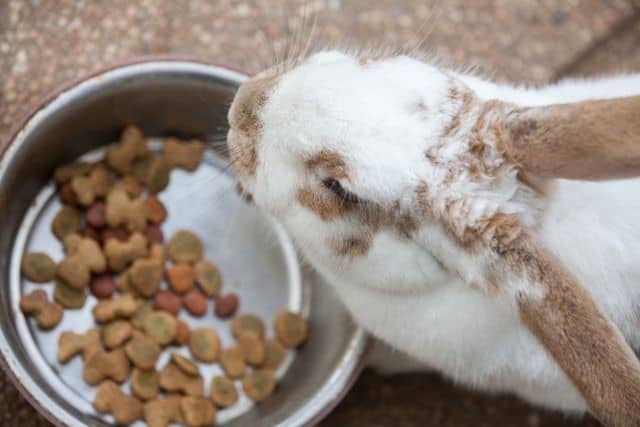
Before you panic, know this: hay is the foundation of every healthy rabbit diet. As long as your rabbit is eating hay, drinking water, and producing normal droppings, a temporary disinterest in pellets is usually manageable. That said, understanding how much pellets a rabbit should eat at each life stage will help you decide whether the change matters.
Why Is My Rabbit Not Eating Pellets But Still Eating Hay?
Rabbits are selective eaters by nature. In the wild, they graze on a wide variety of grasses, herbs, and leafy plants. They never encounter concentrated pellets. So when a domestic rabbit decides to skip pellets, it is often following an instinct to prioritize fibrous food over processed food.
The key question is whether the pellet refusal is behavioral or medical. Behavioral causes include boredom, fullness, or disliking a specific brand. Medical causes include dental disease, gastrointestinal discomfort, or pain from another condition. We will walk through each possibility so you can identify what is happening with your rabbit.
7 Reasons Your Rabbit Stopped Eating Pellets
1. Dental Problems or Malocclusion
Dental disease is the number one medical reason rabbits become selective about food. Rabbit teeth grow continuously throughout their lives, at a rate of about 2 to 3 millimeters per week. When teeth do not wear evenly, a condition called malocclusion develops. This creates sharp points or spurs on the molars that dig into the cheeks and tongue, causing significant pain.
A rabbit with dental pain will often choose softer foods that require less chewing. Hay is easier to manipulate with the front teeth and requires a different chewing motion than pellets, which need to be crushed by the back molars. This is why you may notice your rabbit eating hay just fine while completely ignoring pellets.
According to VCA Animal Hospitals, common signs of dental problems in rabbits include:
- Decreased food intake or sudden food selectiveness
- Drooling or a wet chin and dewlap
- Weight loss over weeks or months
- Watery eyes (epiphora), especially from one side
- Bad breath
- Reduced grooming and uneaten cecotrophs
- Lumps or swelling along the jawline
Dwarf and lop-eared breeds are more prone to dental disease due to their skull shape. If you suspect malocclusion, a veterinarian experienced with rabbits can perform an oral exam and skull x-rays to confirm. Treatment typically involves filing down the sharp points under sedation, and many rabbits with chronic dental disease need this done every 4 to 12 weeks. You can learn more about this serious condition in our guide on whether rabbits can die from overgrown teeth.
2. The Pellets Are Expired or Stale
Rabbits have a strong sense of smell, and they will refuse food that smells off to them, even if it looks fine to you. Pellets lose their freshness faster than most owners realize. Once a bag is opened, the oils in the hay-based pellets begin to oxidize, and the nutritional value starts to decline.
Here are the most common freshness problems:
- Past the expiration date. Always check the printed date on the bag before buying and before serving.
- Stored improperly. Pellets left in a humid area, in direct sunlight, or in an unsealed bag will go stale within weeks.
- Bought in bulk. Large bags may be cheaper per pound, but if your rabbit only eats a small amount daily, the pellets at the bottom of the bag may be months old by the time you reach them.
As a general rule, buy pellets in quantities your rabbit will finish within 4 to 6 weeks. Store them in an airtight container in a cool, dry place. If the pellets smell musty, feel soft, or have changed color, throw them out.
3. Your Rabbit Is Bored With the Same Pellets
Just like humans, rabbits can develop food fatigue. If your rabbit has been eating the same brand and flavor of pellets for months or years, it may simply lose interest. This is especially common in rabbits that are offered a varied diet of fresh vegetables alongside their pellets.
Try switching to a different brand of plain, timothy hay-based pellets. Make the transition gradually over 7 to 10 days by mixing increasing amounts of the new pellets with the old ones. Sudden dietary changes can upset a rabbit's sensitive digestive system.
4. The Pellets Are Low Quality
Not all rabbit pellets are created equal. Low-quality pellets often contain fillers like corn, seeds, dried fruit pieces, yogurt drops, or artificial colors. These "muesli-style" mixes encourage selective feeding, where the rabbit picks out the sugary bits and leaves the nutritious pellets behind.
A quality rabbit pellet should be:
- Plain and uniform. No added seeds, nuts, colored pieces, or dried fruit.
- Timothy hay-based. For adult rabbits over 7 months, timothy hay should be the first ingredient. Alfalfa-based pellets are only appropriate for young, growing rabbits.
- High in fiber. Look for a minimum of 18% crude fiber, though 20% or higher is better.
- Low in protein and fat. Adult rabbit pellets should contain 12 to 14% protein and no more than 2 to 3% fat.
If you have been feeding a muesli mix, switch to a plain pellet. Your rabbit may resist at first because it is used to picking out the sweet pieces, but it will adjust within a couple of weeks.
5. Your Rabbit Is Already Full From Hay and Vegetables
This is actually the most common and least concerning reason. A rabbit that fills up on unlimited hay and a generous portion of fresh vegetables may simply not have room or desire for pellets. Since hay should make up about 80% of a rabbit's diet and vegetables about 10 to 15%, pellets only need to account for roughly 5%.
If your rabbit is maintaining a healthy weight, producing plenty of round, firm droppings, and eating its cecotrophs, then skipping pellets is not a problem. Many experienced breeders and rabbit-savvy veterinarians actually recommend reducing or eliminating pellets for adult rabbits that have access to high-quality hay and a variety of safe vegetables for rabbits.
6. Stress or Environmental Changes
Rabbits are creatures of habit, and even small changes in their environment can cause temporary appetite changes. Common stressors that may lead to pellet refusal include:
- A recent move to a new home or room
- A new pet or family member in the household
- Loud noises from construction, storms, or fireworks
- Changes in daily routine or feeding schedule
- A new type of food bowl or feeder placement
Stress-related pellet refusal usually resolves on its own within a few days once the rabbit adjusts. Keep the rest of the diet and routine consistent, and give your rabbit a quiet, safe space to decompress.
7. Underlying Health Issues Beyond Dental Disease
Several other medical conditions can cause selective eating in rabbits. These include:
- Early GI stasis. Gastrointestinal stasis is a slowdown or complete stop of the digestive system. In the early stages, a rabbit may reduce pellet intake while still nibbling hay. As the condition progresses, the rabbit stops eating entirely. According to the House Rabbit Society, GI stasis can become life-threatening within 24 hours if untreated.
- Urinary problems. Bladder sludge or kidney stones can cause pain that reduces appetite.
- Arthritis or spinal pain. An older rabbit that has difficulty bending down to its food bowl may eat less of the food that requires more effort to consume.
- Post-surgical recovery. Rabbits recovering from spaying, neutering, or other procedures often show reduced appetite for several days.
Is It Okay for Rabbits to Not Eat Pellets?
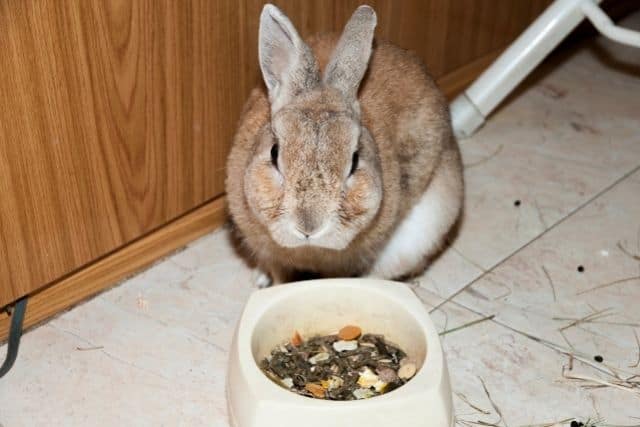
Yes, adult rabbits can live healthy lives without pellets. Pellets are a convenient way to deliver concentrated nutrients, but they are not strictly necessary if your rabbit gets unlimited high-quality hay and a daily serving of fresh leafy greens. To understand this better, read our full article on whether rabbits actually need pellets to survive.
That said, pellets serve a practical purpose. They provide a reliable source of vitamins and minerals that may be lacking in hay alone, especially vitamins A and D. For young, growing rabbits, pregnant or nursing does, and underweight rabbits, pellets are an important calorie source that supports healthy development.
For senior rabbits over 6 years old that are losing weight, increasing pellet portions can help maintain body condition. The key is matching pellet intake to your rabbit's specific needs rather than following a one-size-fits-all approach.
How Much Pellets Should a Rabbit Eat by Age?
The right amount of pellets depends on your rabbit's age, weight, and overall health. Here is a general guideline based on veterinary recommendations:
| Age | Recommended Pellet Amount | Pellet Type |
|---|---|---|
| Birth to 7 weeks | None (mother's milk and hay only) | N/A |
| 7 weeks to 7 months | Unlimited | Alfalfa-based |
| 7 months to 1 year | Gradually reduce to 1/2 cup per 6 lbs (2.7 kg) body weight | Transition to timothy-based |
| Adult (1 to 5 years) | 1/4 to 1/2 cup per 6 lbs (2.7 kg) body weight | Timothy hay-based |
| Senior (6+ years) | Same as adult if healthy weight; increase if underweight | Timothy hay-based |
If your adult rabbit is eating less than the recommended amount but maintains a healthy weight with a well-rounded diet, there is no need to force pellets. Focus on ensuring your rabbit eats enough hay every day to keep its digestive system and teeth healthy.
How to Get Your Rabbit to Eat Pellets Again
If you have ruled out medical causes and want to encourage your rabbit to eat pellets, try these strategies:
Switch Pellet Brands Gradually
Your rabbit may simply dislike the current brand. Choose a high-quality, plain timothy hay-based pellet and introduce it slowly. Mix 25% new pellets with 75% old pellets for the first three days, then gradually increase the ratio over 10 days. This prevents digestive upset while giving your rabbit time to adjust to the new taste.
Check and Improve Storage
Transfer pellets to an airtight container as soon as you open the bag. Keep them in a cool, dry location away from sunlight. If you live in a humid climate, consider adding a food-safe desiccant packet to the container. Always smell the pellets before serving. They should smell fresh and slightly grassy.
Reduce Treats and Vegetables Temporarily
If your rabbit is filling up on treats or vegetables and ignoring pellets, temporarily reduce these extras. Cut treats entirely for a week and reduce vegetable portions by half. Offer pellets first thing in the morning when your rabbit is hungriest. Once pellet consumption normalizes, slowly reintroduce vegetables.
Offer Pellets at Peak Activity Times
Rabbits are most active at dawn and dusk (they are crepuscular animals). Offer fresh pellets during these times when appetite is naturally highest. Remove uneaten pellets after a few hours so they stay fresh for the next feeding.
Try a Different Bowl or Location
Sometimes the issue is not the food but the setup. Try a heavier ceramic bowl that does not tip over, or place the food bowl in a different spot. Some rabbits prefer eating in a quiet, enclosed area where they feel safe. Experiment with placement to see if it makes a difference.
When Should You Call a Veterinarian?
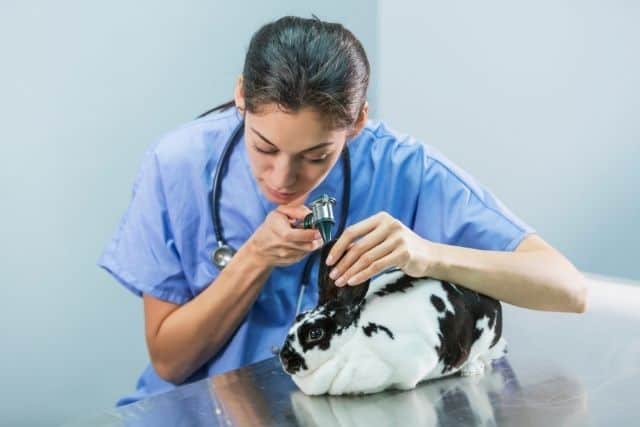
A rabbit skipping pellets is usually not an emergency on its own. However, you should contact a rabbit-savvy veterinarian immediately if you notice any of the following alongside pellet refusal:
- Your rabbit stops eating hay. Hay refusal is a red flag that something is seriously wrong. A rabbit that stops eating hay entirely could be heading into GI stasis, which can be fatal within 12 to 24 hours without treatment.
- Droppings change size, shape, or stop entirely. Smaller, misshapen, or absent droppings indicate a digestive slowdown. If your rabbit has not produced droppings in 10 to 12 hours, treat it as an emergency. Learn more about this in our article on how long rabbits can go without pooping.
- Lethargy or hunched posture. A rabbit sitting in a hunched position with half-closed eyes and no interest in its surroundings is likely in pain.
- Teeth grinding (loud). Soft tooth purring is a sign of contentment, but loud, audible grinding indicates pain.
- Drooling or wet chin. This almost always points to a dental issue that needs professional attention.
- Bloated or hard abdomen. A swollen belly can indicate gas buildup from GI stasis, which requires immediate veterinary intervention.
When in doubt, call your vet. Rabbits are prey animals that instinctively hide signs of illness, so by the time symptoms become obvious, the problem may already be advanced. Early intervention is always safer and less expensive than emergency treatment.
Frequently Asked Questions
Can a rabbit survive without pellets?
Yes, adult rabbits can live healthy lives without pellets as long as they receive unlimited high-quality timothy hay and a daily serving of fresh leafy greens. Pellets are a supplement, not a dietary requirement. Young, pregnant, and underweight rabbits benefit more from pellets than healthy adults.
How long can a rabbit go without eating pellets?
A rabbit can go indefinitely without pellets as long as it continues eating hay and vegetables. Pellets are not essential for survival. However, if your rabbit stops eating all food, including hay, for more than 12 hours, seek veterinary care immediately as this could indicate GI stasis.
Should I force-feed my rabbit pellets?
No, you should never force-feed pellets to a rabbit. If your rabbit refuses pellets but eats hay and vegetables normally, the refusal is either a preference or a sign of a specific issue like dental pain. Forcing food can cause stress and aspiration. If your rabbit stops eating everything, a vet may recommend syringe-feeding Critical Care, not pellets.
Why does my rabbit only eat the pellets and not the hay?
The opposite problem, where a rabbit prefers pellets over hay, is actually more concerning. Pellets are higher in calories and carbohydrates, making them more palatable. A rabbit that fills up on pellets may not eat enough hay, leading to dental problems and digestive issues. Gradually reduce pellets to the recommended daily amount so your rabbit eats more hay.
Do I need to switch pellet brands if my rabbit stops eating them?
Not necessarily. First rule out medical issues with a vet checkup. Then check whether the pellets are fresh and properly stored. If everything checks out and your rabbit still refuses, trying a different high-quality brand is a reasonable next step. Always transition gradually over 7 to 10 days to avoid digestive upset.
Cite this article:
Cite this article:
BunnySync (February 23, 2026) Rabbit Not Eating Pellets But Eating Hay? 7 Causes and Fixes. Retrieved from https://bunnysync.com/blog/rabbit-not-eating-pellets-but-eating-hay.
"Rabbit Not Eating Pellets But Eating Hay? 7 Causes and Fixes." BunnySync - February 23, 2026, https://bunnysync.com/blog/rabbit-not-eating-pellets-but-eating-hay