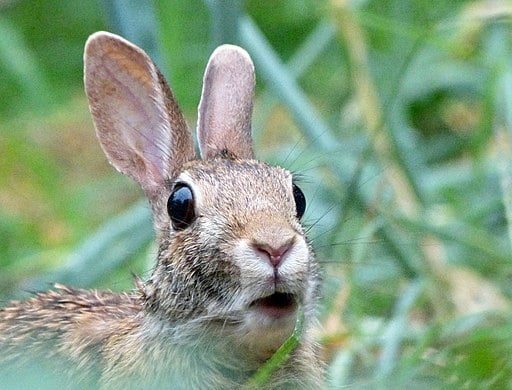
Yes, rabbits do sleep with their eyes open, and it is completely normal behavior. Rabbits have a transparent third eyelid called the nictitating membrane that covers the eye during rest, allowing them to detect movement and light changes while they doze. This trait is a survival adaptation from their days as prey animals in the wild. If your rabbit consistently sleeps with its eyes open, it typically means it has not yet fully relaxed in its environment. A rabbit that sleeps with its eyes closed has developed a deep level of trust and feels completely safe in your home.
Why Do Rabbits Sleep With Their Eyes Open?
Rabbits sleeping with their eyes open is not a quirk or a health problem. It is a deeply ingrained survival mechanism that has kept wild rabbits alive for thousands of years. Understanding the biology behind this behavior helps you interpret what your rabbit is feeling and adjust its environment accordingly.
Survival Instinct From the Wild
Wild rabbits sit near the bottom of the food chain. Hawks, foxes, snakes, cats, and dozens of other predators hunt them daily. Because of this constant threat, rabbits evolved to sleep in short bursts rather than long, uninterrupted stretches. Keeping their eyes open during these light naps allows them to spot approaching predators and bolt to safety within seconds.
Even though your pet rabbit lives in the safety of your home, this instinct does not disappear. Domesticated rabbits still carry the same hardwired responses their wild ancestors developed over millions of years. So when your rabbit rests with its eyes open, it is simply doing what its biology tells it to do.
The Third Eyelid: The Nictitating Membrane
Rabbits have three eyelids on each eye. The two visible eyelids (upper and lower) work the same way yours do. The third eyelid, called the nictitating membrane, is a thin, transparent layer that slides horizontally across the eye from the inner corner.
This membrane serves several purposes during sleep:
- Keeps the eye moist so the cornea does not dry out while the rabbit rests
- Allows light perception so the rabbit can detect shadows and movement even while dozing
- Protects against debris like dust, hay particles, and bedding material
- Enables quick waking because the rabbit's brain continues processing visual input at a low level
According to the MSD Veterinary Manual, the nictitating membrane is present in most mammals, birds, and reptiles, but it plays a particularly critical role in prey animals like rabbits that need to remain alert even during rest.
What Causes a Pet Rabbit to Sleep With Its Eyes Open?
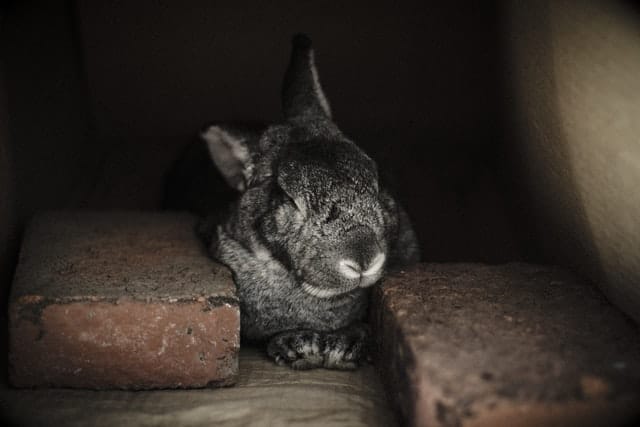
While the biological ability to sleep with eyes open is universal across all rabbits, certain situations trigger this behavior more frequently in pet rabbits. If your rabbit rarely or never closes its eyes during sleep, one of the following factors is likely at play.
Your Rabbit Is in a New Environment
Rabbits are creatures of habit who thrive on routine and familiarity. When you first bring a rabbit home, move to a new apartment, or even rearrange furniture in its room, your rabbit goes on high alert. Every new smell, sound, and visual landmark needs to be catalogued and assessed for danger.
During this adjustment period, which can last anywhere from a few days to several weeks, your rabbit will sleep with its eyes open almost exclusively. You will notice it sitting in a corner with stiff posture, nose twitching rapidly, and ears swiveling toward every sound. This is normal and temporary. Give your rabbit time to explore at its own pace, and avoid forcing interaction during this critical settling-in phase.
Your Rabbit Does Not Trust You Yet
Trust between a rabbit and its owner is earned, not given. New rabbits, especially those from shelters or previous homes where they may have been mishandled, can take weeks or even months to fully trust you. During this period, your rabbit watches your every movement, tracking you around the room even while it tries to rest.
Signs your rabbit does not trust you yet include:
- Freezing when you enter the room
- Thumping its hind legs when you get close
- Refusing to eat treats from your hand
- Running to its hiding spot when you approach
- Always sleeping with eyes wide open, facing toward you
Building trust takes patience. Sit on the floor near your rabbit without reaching for it. Let it approach you on its terms. Offer small treats like a piece of cilantro or a thin slice of banana, but do not chase your rabbit if it retreats. The House Rabbit Society recommends letting the rabbit initiate contact, which builds confidence far more effectively than forced handling. Over time, your rabbit will begin to relax, and you will notice its eyes drooping and eventually closing during naps.
Other Pets Are Nearby
If you have cats, dogs, or other animals in the house, your rabbit instinctively sees them as potential predators. Even a friendly, well-trained dog can cause a rabbit to stay on permanent alert simply because of its size and movements. Cats are especially stressful for rabbits since felines are natural predators of small prey animals.
Keep your rabbit's hutch or enclosure in a room where other pets cannot startle it. Introduce pets to your rabbit gradually by letting them sniff around the cage without direct contact. Once your rabbit adjusts to the other animal's scent and presence, it will begin to relax. This process can take several weeks, so do not rush it.
Loud Noises or Sudden Movements
Rabbits have exceptional hearing and are highly sensitive to sound. A house with frequent loud noises, such as a television at high volume, construction nearby, children running and shouting, or doors slamming, keeps a rabbit in a constant state of alertness. In these environments, rabbits rarely feel safe enough to close their eyes.
Place your rabbit's enclosure in a quiet area of your home, away from high-traffic zones. If your household is consistently noisy, consider providing your rabbit with a covered hiding box inside its enclosure where it can retreat and feel shielded from stimulation. Rabbits that are chronically stressed by their environment may develop health issues over time, so addressing noise levels is important for their long-term wellbeing.
Your Rabbit May Be in Pain or Sick
If your rabbit used to sleep comfortably with closed eyes and has suddenly started sleeping with its eyes open again, pain or illness could be the cause. Rabbits hide pain as an instinct because, in the wild, showing weakness attracts predators. A rabbit in pain stays on high alert because it feels vulnerable.
Watch for these accompanying symptoms:
- Loss of appetite or refusing favorite treats
- Changes in droppings (smaller, misshapen, mucus-covered, or absent)
- Hunched posture or teeth grinding (which signals pain, not contentment)
- Decreased activity or reluctance to move
- Discharge from eyes, nose, or ears
- Changes in fur quality or bald patches
If you notice any combination of these signs alongside a change in sleeping behavior, schedule a veterinary visit promptly. GI stasis, dental problems, and urinary infections are among the most common causes of pain-related behavior changes in rabbits.
Do All Rabbit Breeds Sleep With Their Eyes Open?
Yes. Every single rabbit breed, from a two-pound Netherland Dwarf to a fifteen-pound Flemish Giant, has the nictitating membrane and the ability to sleep with its eyes open. This is not a breed-specific trait. It is a species-wide survival adaptation shared by all domestic and wild rabbits.
What does vary by individual is temperament. Some rabbits are naturally bolder and more relaxed, reaching the eyes-closed sleeping stage within days of arriving home. Others are timid and may take months before they feel comfortable enough to fully close their eyes. Breed can influence temperament to some degree (Holland Lops and Mini Rex tend to be calmer, while Belgian Hares and Harlequins tend to be more alert), but individual personality matters more than breed when it comes to sleeping habits.
How to Tell If Your Rabbit Is Sleeping With Its Eyes Open
Since a sleeping rabbit with open eyes looks almost identical to an awake rabbit sitting still, knowing what to look for is essential. Here are the key indicators arranged side by side.
| Sign | Awake Rabbit | Sleeping Rabbit (Eyes Open) |
|---|---|---|
| Nose movement | Steady, rhythmic twitching | Slow or completely still |
| Ear position | Upright and swiveling toward sounds | Relaxed, resting flat or to the side |
| Body posture | Alert, weight on feet, ready to move | Relaxed loaf, flop, or sprawl position |
| Whisker movement | Active, twitching | Still |
| Response to sound | Immediate ear rotation or head turn | Delayed or no response to soft sounds |
The nose is the most reliable indicator. A rabbit's nose twitches constantly when awake because it is actively sampling the air for scents. When the nose slows down or stops entirely, your rabbit is either falling asleep or already asleep, even if its eyes remain open. You can learn more about this behavior in our guide on why rabbits twitch their nose.
What Does It Mean When Your Rabbit Sleeps With Its Eyes Closed?
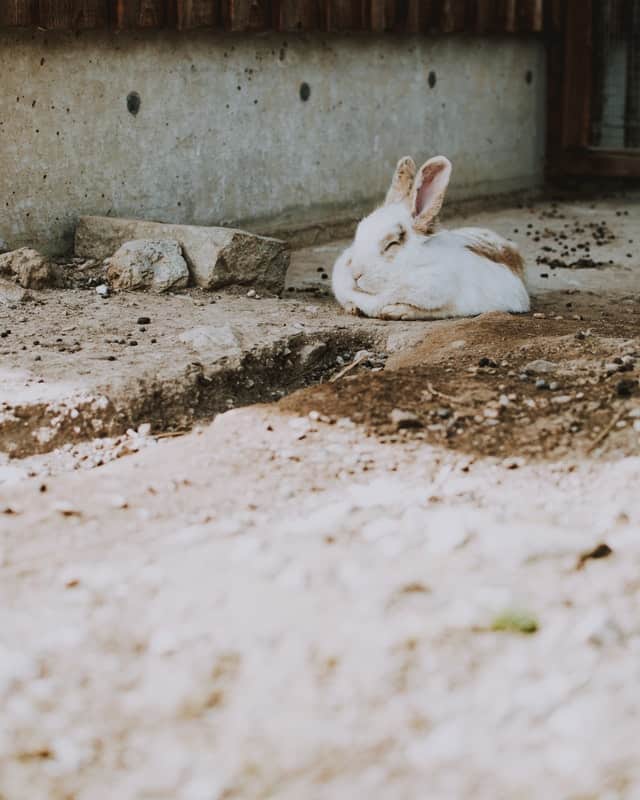
A rabbit sleeping with its eyes completely closed is one of the strongest signs of trust and contentment a rabbit can show. It means your rabbit has evaluated its environment, decided there are no threats, and feels safe enough to let its guard down entirely. If your rabbit sleeps this way around you, it is a genuine compliment to the home you have created for it.
Not every rabbit reaches this stage, and that is perfectly fine. Some rabbits, especially those with traumatic pasts or naturally cautious personalities, may always sleep with their eyes partially or fully open. This does not mean they are unhappy. It simply means their threshold for total relaxation is higher.
If your rabbit does sleep with closed eyes, you may also see it in deeply relaxed positions like the full flop (lying on its side with legs extended), the dead bunny flop (lying completely flat and motionless, which can terrify first-time owners), or the stretched-out sprawl with back legs kicked out behind. These positions combined with closed eyes indicate a rabbit that is deeply comfortable and secure.
How to Help Your Rabbit Feel Safe Enough to Close Its Eyes
While you cannot force a rabbit to sleep with its eyes closed, you can create conditions that make it more likely. Here are practical steps based on what experienced breeders and rabbit owners find most effective.
Provide a Quiet, Consistent Space
Rabbits are crepuscular animals, meaning they are most active at dawn and dusk and tend to sleep during the middle of the day and late at night. Place their enclosure in a room with minimal foot traffic and noise during these rest periods. Avoid rooms next to the kitchen, laundry room, or home entertainment systems.
Consistency matters too. Keep the enclosure in the same spot. Avoid rearranging the room frequently. Rabbits map their environment and feel safest when things stay predictable. If you are wondering whether to dim the lights or keep them on at night, most rabbits handle low-light conditions well since their eyes are adapted for dawn and dusk vision.
Build Trust Through Daily Routine
Feed your rabbit at the same times each day. Spend time sitting quietly near its enclosure without demanding interaction. Speak in a calm, low voice. Over days and weeks, your rabbit will associate your presence with safety rather than threat.
One effective technique is floor time. Sit on the floor in a small room and let your rabbit explore around you. Do not grab at it or pick it up. Let the rabbit come to you, sniff you, and eventually climb on you. This builds trust organically and at the rabbit's own pace. Rabbits that have bonded with their owners through floor time consistently reach the closed-eyes sleeping stage faster than those subjected to frequent handling early on.
Give Them a Proper Hiding Spot
Every rabbit enclosure should include at least one enclosed hiding spot, such as a wooden house, a cardboard box with an entrance hole cut in it, or a fabric tunnel. Rabbits in the wild sleep in burrows, and having a dark, enclosed space to retreat to gives your pet rabbit that same sense of security.
You will likely find that your rabbit first begins closing its eyes while inside its hiding spot, where it feels most shielded. Over time, as trust builds, it will start closing its eyes in open areas of its enclosure and eventually out in the room during free-roam time.
Limit Unsupervised Contact With Other Pets
If other pets are the source of your rabbit's alertness, manage their access carefully. Use baby gates to keep dogs out of the rabbit's room. Ensure cats cannot access the top of the enclosure. Supervised introductions are fine, but your rabbit needs guaranteed alone time to rest without the stress of a potential predator nearby.
Common Rabbit Sleep Positions and What They Mean
Understanding your rabbit's sleep habits and duration includes recognizing common sleep positions. Each position reveals something about your rabbit's comfort level and how deeply it is resting.
| Position | Description | Comfort Level |
|---|---|---|
| Loaf | Rabbit tucks all four paws under its body, resembling a loaf of bread | Moderate. Ready to bolt if needed, but relaxed enough to rest. |
| Side Flop | Rabbit drops suddenly onto its side with legs extended | High. This is a clear sign of contentment and trust. |
| Sprawl | Rabbit lies with belly flat on the ground, back legs extended behind | High. The rabbit feels safe and may also be cooling off. |
| Upright Doze | Rabbit sits upright with eyes open, body slightly hunched | Low. This is a light nap with minimal relaxation. |
| Dead Bunny Flop | Rabbit lies completely flat and motionless on its side | Very high. Deep sleep and maximum trust. |
Rabbits typically cycle through these positions throughout the day. A rabbit that only sleeps in the loaf or upright doze position with eyes open is still adjusting to its surroundings. One that regularly side-flops and sprawls with closed eyes is thoroughly at home.
Frequently Asked Questions
Is it bad if my rabbit always sleeps with its eyes open?
No, it is not harmful to your rabbit's health. Sleeping with eyes open is natural and does not cause discomfort or eye damage thanks to the nictitating membrane that keeps the eyes protected and moist. However, if your rabbit never fully relaxes, evaluate its environment for stressors like noise, other pets, or insufficient hiding spots.
How long does it take for a rabbit to start sleeping with its eyes closed?
Most rabbits begin sleeping with their eyes closed within two to six weeks of arriving in a stable, quiet home. Some particularly timid rabbits may take two to three months. Rescued rabbits with traumatic backgrounds can take even longer. Consistency, patience, and a calm environment speed up the process.
Can rabbits sleep with one eye open and one eye closed?
Rabbits do not typically sleep with one eye open and one closed the way some birds do. They either keep both eyes open with the nictitating membrane engaged, or close both eyes during deeper sleep. If one eye appears partially closed while the other is open, check for eye irritation, infection, or injury and consult your vet.
Do rabbits dream when they sleep?
Rabbits experience REM (rapid eye movement) sleep, which is the sleep phase associated with dreaming in mammals. During REM sleep, you may notice your rabbit's whiskers twitching, paws moving slightly, or soft sounds. These are strong indicators that your rabbit has entered deep sleep and may be processing experiences from its day.
Should I wake my rabbit if it looks like it is sleeping with its eyes open?
No, let your rabbit rest undisturbed. Waking a sleeping rabbit startles it and reinforces the instinct that its environment is not safe, which can delay the trust-building process. If you need to interact with your rabbit, wait until it wakes naturally or gently call its name from a distance rather than touching it suddenly.
Cite this article:
Cite this article:
BunnySync (March 4, 2026) Do Rabbits Sleep With Their Eyes Open?. Retrieved from https://bunnysync.com/blog/do-rabbits-sleep-with-their-eyes-open.
"Do Rabbits Sleep With Their Eyes Open?." BunnySync - March 4, 2026, https://bunnysync.com/blog/do-rabbits-sleep-with-their-eyes-open