Yes, rabbits can eat ripe tomato flesh safely as an occasional treat. The fruit itself is non-toxic and provides vitamins A, C, and potassium that complement a hay-based diet. However, you must never feed your rabbit tomato leaves, stems, or vines, as these parts of the plant contain toxic compounds called solanine and tomatine. As breeders, we give our rabbits a small slice of ripe tomato once or twice per week, and they love it. The key is moderation and knowing which parts of the tomato are safe.
Are Tomatoes Safe for Rabbits?
Ripe tomato flesh is completely safe for healthy adult rabbits when offered in small portions. Tomatoes belong to the nightshade family (Solanaceae), which often raises concerns among rabbit owners. While the plant itself contains harmful alkaloids, the ripe red fruit does not carry dangerous levels of these compounds.
According to the book Rabbits Health, Husbandry, and Diseases by Virginia C. G. Richardson, the main concern with tomatoes is their phosphorus content, which can be problematic for rabbits with existing kidney issues. For rabbits without renal problems, tomatoes are a perfectly fine treat.
That said, tomatoes should never replace the staple foods in your rabbit's diet. Hay should make up roughly 80% of what your rabbit eats daily. If you want a refresher on building a proper diet, check out our guide on what vegetables you can safely feed your rabbit.
What Parts of the Tomato Can Rabbits Eat?
Not all parts of a tomato are equal when it comes to rabbit safety. Here is a breakdown of each part and whether it is safe to feed.
Ripe Tomato Flesh
The soft, juicy flesh of a fully ripe red tomato is the only part you should feed your rabbit. It contains beneficial nutrients including vitamin C, vitamin A, lycopene, and potassium. Always choose tomatoes that are fully red and ripe, as unripe green tomatoes contain higher concentrations of solanine.
Tomato Seeds
Tomato seeds are not toxic to rabbits. If your rabbit accidentally swallows a few seeds while eating a tomato slice, there is no cause for alarm. However, it is a good practice to remove the seeds when possible, especially for smaller breeds. Seeds can occasionally cause minor digestive discomfort in sensitive rabbits.
Tomato Skin
The skin of a ripe tomato is safe for rabbits. You do not need to peel tomatoes before offering them. Just make sure you wash the tomato thoroughly under running water to remove any pesticide residue, dirt, or wax coating. If you can source organic tomatoes, even better.
Tomato Leaves, Stems, and Vines (Toxic)
This is the critical safety warning every rabbit owner needs to know. Tomato leaves, stems, and vines contain steroid alkaloids, specifically tomatine and solanine. According to Rabbit Feeding and Nutrition by Peter R. Cheeke, these alkaloids can cause poisoning symptoms including drooling, lethargy, difficulty breathing, and gastrointestinal distress.
If you grow tomatoes in your garden, keep your rabbits well away from the plants. Even dried tomato vines can retain enough alkaloids to cause problems. If you suspect your rabbit has eaten any part of the tomato plant other than the fruit, contact your veterinarian immediately.
What Are the Nutritional Benefits of Tomatoes for Rabbits?
Tomatoes pack a surprisingly broad range of vitamins and minerals into a low-calorie package. Here is what 100 grams of raw red tomato provides for your rabbit:
| Nutrient | Amount per 100g | Benefit for Rabbits |
|---|---|---|
| Vitamin A | 833 IU | Supports eye health and immune function |
| Vitamin C | 13.7 mg | Antioxidant support (rabbits produce their own, but extra helps) |
| Potassium | 237 mg | Supports heart and muscle function |
| Lycopene | 2.6 mg | Powerful antioxidant that supports cellular health |
| Phosphorus | 24 mg | Bone health (but excess is harmful for rabbits with kidney issues) |
| Calcium | 10 mg | Bone and dental health |
| Water Content | 94.5% | Helps with hydration on warm days |
| Fiber | 1.2 g | Minimal fiber contribution (hay remains essential) |
The high water content in tomatoes makes them a refreshing treat during warmer months. We have found this particularly useful for rabbits that are reluctant drinkers. However, the low fiber content means tomatoes should never be treated as a fiber source. Your rabbit still needs unlimited access to quality hay every single day.
How Many Tomatoes Can a Rabbit Eat?
Portion size depends on your rabbit's body weight and age. As a general rule, treats (including tomatoes) should make up no more than 5% of your rabbit's total daily food intake. For most medium-sized adult rabbits weighing around 6 pounds, that translates to roughly one cherry tomato or a thin slice of a regular tomato.
Here is a portion guide based on breed size:
| Rabbit Size | Weight Range | Tomato Portion (1-2 times per week) |
|---|---|---|
| Small breeds (Netherland Dwarf, Mini Rex) | 1.1 to 3.5 lbs | Half a cherry tomato or skip entirely |
| Medium breeds (Holland Lop, Dutch) | 6 to 10 lbs | 1 cherry tomato or 1 thin slice (30-60g) |
| Large breeds (Flemish Giant, New Zealand) | 9 to 12+ lbs | 1-2 cherry tomatoes or 1 thick slice (60-120g) |
For rabbits under 12 weeks old, do not offer tomatoes or any fruit at all. Their digestive systems are still developing and rely entirely on their mother's milk and eventually hay and pellets. Between 12 weeks and 7 months, stick to hay and pellets with a gradual introduction of leafy greens. After 7 months, you can begin introducing small amounts of fruit treats like tomato.
Here is an age-based feeding guide:
| Age | Fruit/Treat Allowance |
|---|---|
| Under 12 weeks | None. Mother's milk, then hay and pellets only. |
| 12 weeks to 7 months | No fruit. Gradually introduce leafy greens. |
| 7 months to 1 year | No more than 1-2 oz (30-60g) per 6 lbs body weight |
| Adult (1-5 years) | No more than 2 tablespoons per 6 lbs body weight |
| Senior (6+ years) | Consult your vet for a tailored diet plan |
If you are unsure about total daily food amounts across all categories, our article on how much food to feed your rabbit each day breaks it all down.
How Often Should You Feed Tomatoes to Your Rabbit?
We recommend offering tomatoes no more than once or twice per week. Treats should be rotated so your rabbit gets variety and a broader range of nutrients. For example, you might offer a small piece of tomato on Monday and a slice of bell pepper on Thursday.
When introducing tomatoes for the first time, start with a piece no larger than your thumbnail. Watch your rabbit over the next 24 hours for any signs of digestive upset, including soft stools, reduced appetite, or bloating. If everything looks normal, you can gradually increase to the portions listed in the table above over the next two weeks.
Never offer tomatoes alongside other new foods. Introduce one new food at a time so you can identify the cause if your rabbit reacts poorly.
What Are the Risks of Feeding Tomatoes to Rabbits?
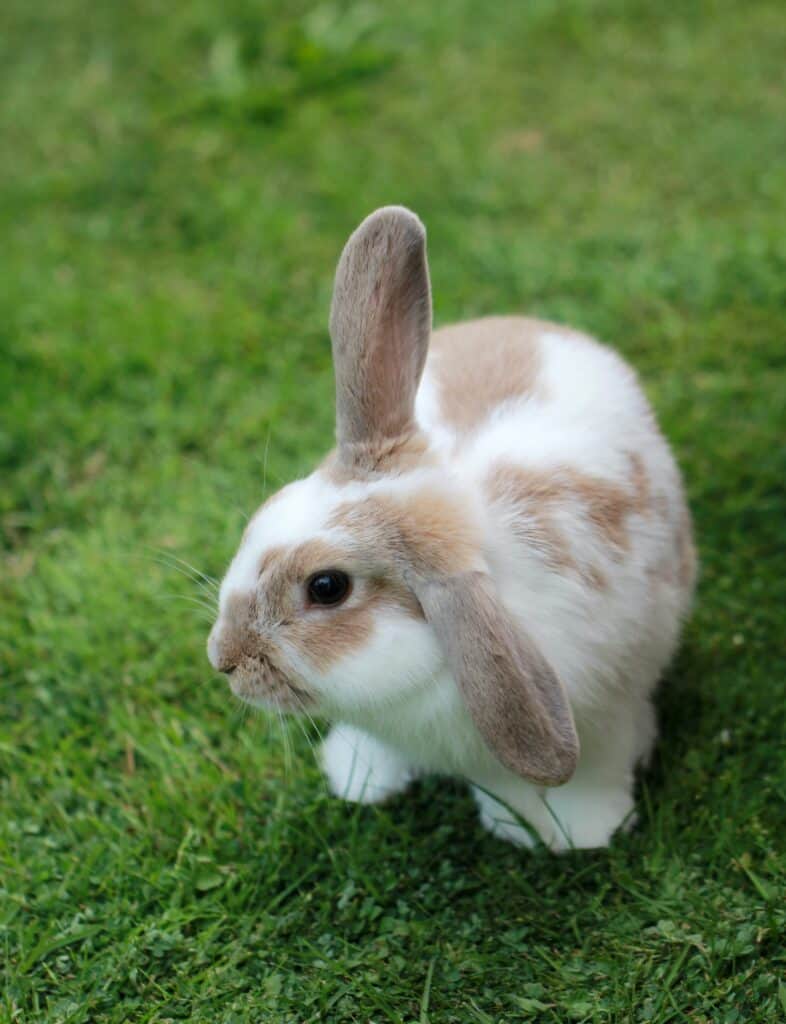
While tomatoes are safe in moderation, overfeeding can lead to several health problems. Here are the main risks to watch for.
Gastrointestinal Stasis
Gastrointestinal (GI) stasis is one of the most dangerous conditions a rabbit can develop, and it is often fatal if not caught early. GI stasis occurs when the digestive system slows down or stops entirely, usually due to a diet lacking in fiber.
Tomatoes are very low in fiber at just 1.2 grams per 100 grams. If your rabbit fills up on tomatoes instead of hay, the reduced fiber intake can trigger GI stasis. Signs include a rabbit that stops eating, stops producing droppings, sits hunched in a corner, and has a bloated abdomen. If you notice these symptoms, get your rabbit to a vet immediately.
Diarrhea and Soft Cecotropes
The high sugar and water content in tomatoes can disrupt your rabbit's gut flora when overfed. This typically shows up as soft, mushy droppings or an excess of uneaten cecotropes (the soft, dark droppings rabbits normally re-ingest). Persistent diarrhea in rabbits is a veterinary emergency, especially in young rabbits where it can be fatal within hours.
If your rabbit develops soft stools after eating tomatoes, stop all treats immediately and offer only hay and fresh water. Monitor their droppings closely. If normal pellet-shaped droppings do not return within 12-24 hours, contact your vet. For more on rabbit digestive health, read our article about what to do if your rabbit is not pooping.
Phosphorus Overload and Kidney Problems
Tomatoes contain 24 mg of phosphorus per 100 grams. While this is not problematic for healthy rabbits in small amounts, it becomes a serious concern for rabbits with existing renal dysfunction or kidney stones. Excess phosphorus forces the kidneys to work harder, accelerating kidney damage in rabbits that are already compromised.
If your rabbit has ever been diagnosed with kidney issues, urinary sludge, or bladder stones, avoid feeding tomatoes entirely. Stick to low-phosphorus greens like romaine lettuce and cucumber instead.
When Should You Avoid Feeding Tomatoes to Rabbits?
There are several situations where you should keep tomatoes off the menu entirely:
- Rabbits under 7 months old. Their digestive systems cannot handle sugary or watery treats. Stick to hay, pellets, and gradually introduced leafy greens.
- Rabbits with kidney disease or urinary problems. The phosphorus in tomatoes worsens renal conditions.
- Rabbits currently experiencing diarrhea or GI issues. Adding any treat will make things worse. Focus on hay and hydration.
- Rabbits that refuse hay after eating tomatoes. Some rabbits become fixated on sweet treats and start rejecting their staple diet. If this happens, stop all treats until hay consumption returns to normal.
- Pregnant or nursing does. During pregnancy and lactation, a doe's nutritional needs change significantly. Consult your vet before introducing any new foods during this period.
Can Rabbits Eat Cherry Tomatoes?
Yes, cherry tomatoes are safe for rabbits and are actually the most convenient option for portioning. A single cherry tomato weighs about 15-20 grams, making it the perfect treat size for a medium-sized rabbit. You do not need to cut them in half for adult rabbits, though we recommend doing so for dwarf breeds to prevent choking.
Cherry tomatoes, grape tomatoes, and Roma tomatoes are all equally safe. The variety does not matter as long as the tomato is fully ripe (bright red, not green) and you have removed any attached stems or leaves.
Can Rabbits Eat Cooked or Canned Tomatoes?
No. Never feed your rabbit cooked, canned, or processed tomatoes. Here is why:
- Cooked tomatoes lose their texture and nutritional value. Rabbits' digestive systems are designed for raw, fibrous foods. Cooked foods can disrupt gut motility.
- Canned tomatoes often contain added salt, sugar, preservatives, or citric acid, all of which are harmful to rabbits.
- Tomato sauce, ketchup, and tomato paste are highly concentrated and contain added ingredients that are toxic or unhealthy for rabbits.
- Sun-dried tomatoes have a much higher sugar concentration per gram than fresh tomatoes, making them too rich as a treat.
Always feed fresh, raw, ripe tomatoes only.
How to Prepare Tomatoes for Your Rabbit
Proper preparation takes just a minute and ensures your rabbit gets the safest possible treat:
- Select a ripe, red tomato. Avoid green, unripe tomatoes as they contain more solanine.
- Wash thoroughly. Rinse under cool running water for at least 30 seconds to remove pesticides and dirt.
- Remove the stem and any leaves. Even small leaf fragments can contain harmful alkaloids.
- Cut to an appropriate size. A thin slice for medium breeds or half a cherry tomato for small breeds.
- Remove seeds if possible. This is optional but recommended, especially for first-time feeding.
- Serve at room temperature. Cold tomatoes straight from the fridge can cause digestive discomfort. Let them warm up for 10-15 minutes.
- Remove uneaten portions. Tomato spoils quickly at room temperature. Remove any leftover pieces after 2-3 hours to prevent bacterial growth.
What Are Better Alternatives to Tomatoes for Rabbits?
Tomatoes are fine as an occasional treat, but several other options provide more nutritional value with fewer risks. Here are some alternatives we regularly offer our rabbits:
| Food | Benefits | Frequency |
|---|---|---|
| Bell peppers | High in vitamin C, low in sugar, crunchy texture | Several times per week |
| Cucumber | Hydrating, very low calorie, gentle on digestion | Several times per week |
| Blueberries | Rich in antioxidants, small portion-friendly size | 1-2 times per week |
| Strawberry tops | Leafy greens rabbits love, good fiber content | Several times per week |
| Herbs (basil, cilantro, parsley) | Nutrient-dense, aromatic, rabbits love the flavor | Daily in small amounts |
For a comprehensive list of vegetables your rabbit can enjoy, check out our guide on vegetables you can feed your rabbit.
Frequently Asked Questions
Can rabbits eat tomato vines?
No, tomato vines are toxic to rabbits. They contain steroid alkaloids called tomatine and solanine that can cause poisoning symptoms including drooling, lethargy, and gastrointestinal distress. Keep all tomato plants out of your rabbit's reach.
Can rabbits eat tomato leaves?
No. Tomato leaves contain the same toxic alkaloids as the vines and stems. Even small amounts can make your rabbit sick. Always remove every trace of leaf and stem before offering tomato fruit to your rabbit.
Can rabbits eat green tomatoes?
You should avoid feeding green or unripe tomatoes to rabbits. Unripe tomatoes contain higher concentrations of solanine compared to fully ripe red tomatoes. Wait until the tomato is completely red before offering it as a treat.
How do I introduce tomatoes to my rabbit for the first time?
Start with a piece no larger than your thumbnail. Offer it alongside your rabbit's regular hay and pellets, then monitor their droppings for 24 hours. If stools remain firm and normal, gradually increase the portion over the next two weeks.
Can baby rabbits eat tomatoes?
No. Rabbits under 7 months old should not eat tomatoes or any other fruit. Their digestive systems are still developing, and sugary, watery foods can cause serious diarrhea. Stick to hay, pellets, and a slow introduction of leafy greens for young rabbits.
Cite this article:
BunnySync (February 26, 2026) Can Rabbits Eat Tomatoes? Safe Feeding Guide for Breeders. Retrieved from https://bunnysync.com/blog/can-rabbits-eat-tomatoes.
"Can Rabbits Eat Tomatoes? Safe Feeding Guide for Breeders." BunnySync - February 26, 2026, https://bunnysync.com/blog/can-rabbits-eat-tomatoes