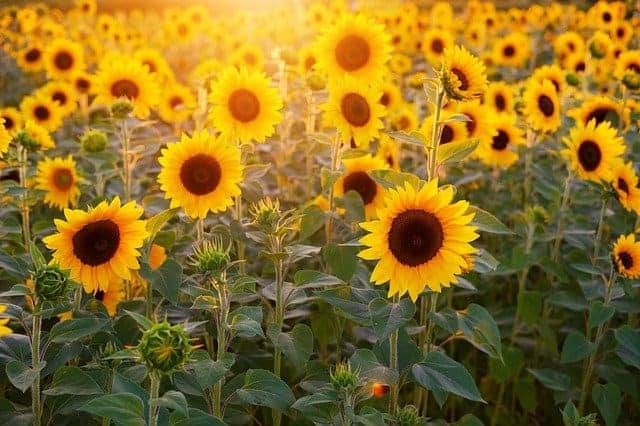
Yes, rabbits can eat sunflowers safely. Every part of the sunflower plant, including the petals, leaves, stems, and seeds, is non-toxic to rabbits. Sunflowers (Helianthus annuus) are one of the most rabbit-friendly plants you can grow in your garden or offer as a treat. That said, sunflowers should never replace your rabbit's core diet of unlimited hay, fresh vegetables, and measured pellets. Treats like sunflower parts should make up no more than 5% of your rabbit's total daily intake.
As breeders, we regularly grow sunflowers specifically for our rabbits. They love every part of the plant, and it gives us a cost-effective, pesticide-free treat option throughout the growing season. Here is everything you need to know about feeding sunflowers to your rabbits safely.
Which Parts of the Sunflower Can Rabbits Eat?
One of the best things about sunflowers is that the entire plant is safe for rabbits. However, each part has different nutritional properties and feeding considerations.
Sunflower Petals
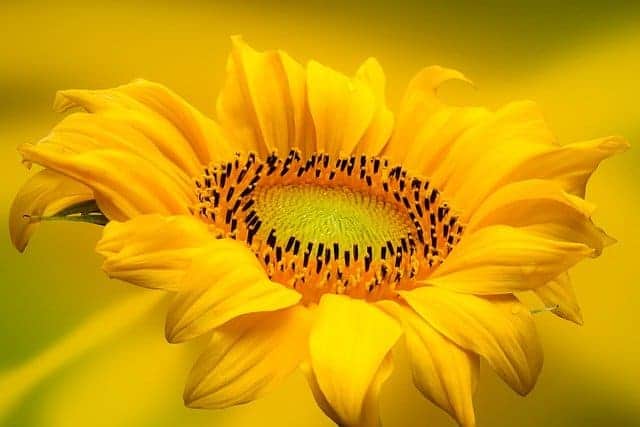
The bright yellow petals are the part most rabbits go for first. They are low in calories, contain small amounts of vitamins A and C, and are easy for rabbits to digest. You can offer a handful of fresh petals as a treat a few times per week. Dried sunflower petals also work well and can be mixed into your rabbit's hay to encourage foraging behavior.
Sunflower Leaves
Sunflower leaves are nutritious and fibrous, making them a solid addition to your rabbit's leafy green rotation alongside options from your complete list of safe vegetables for rabbits. The leaves contain calcium, iron, and fiber. Offer 2 to 3 medium-sized leaves per feeding session. Younger, smaller leaves tend to be softer and more palatable, while older leaves can be tough and slightly bitter.
Sunflower Stems
The stems are safe but not always popular with rabbits. Younger, green stems are tender enough for rabbits to chew through. Mature, woody stems are too tough for most rabbits to eat but can serve as enrichment chew toys. The fibrous texture helps wear down teeth, which is always beneficial since rabbit teeth grow continuously throughout their lives.
Sunflower Seeds
This is where caution is needed. Sunflower seeds are safe but high in fat. A single sunflower seed contains approximately 2.5 calories and 51% fat content by weight. For a rabbit weighing 2 kg (4.4 lbs), even a small handful of seeds represents a significant calorie load.
| Sunflower Part | Safe to Feed | Frequency | Portion Size |
|---|---|---|---|
| Petals | Yes | 3-4 times per week | Small handful |
| Leaves | Yes | 3-4 times per week | 2-3 medium leaves |
| Stems (young) | Yes | 2-3 times per week | One 6-inch piece |
| Stems (mature/woody) | Chew toy only | As needed | One piece for enrichment |
| Seeds (shelled) | Yes, limited | 1-2 times per week max | 3-5 seeds |
| Seeds (unshelled) | Yes, limited | 1-2 times per week max | 3-5 seeds |
Limit sunflower seeds to 3 to 5 seeds per feeding, no more than once or twice a week. Many breeders use sunflower seeds as training treats or bonding rewards because rabbits find them irresistible. Black oil sunflower seeds (BOSS), commonly sold as bird feed, are a popular choice among rabbit owners because they have thinner shells that rabbits can crack open easily.
Nutritional Benefits of Sunflowers for Rabbits
Sunflowers offer several nutritional benefits when fed appropriately. The petals and leaves provide vitamins and minerals without the high sugar content found in fruit-based treats like strawberries or bananas.
Vitamins and Minerals
Sunflower leaves contain notable amounts of calcium, which supports bone health and dental maintenance. The petals provide small doses of vitamin A (important for eye health and immune function) and vitamin C. While rabbits produce their own vitamin C internally, supplemental sources from fresh plants can support overall health.
Fiber Content
The leaves and stems add dietary fiber, though not nearly enough to replace hay. Your rabbit should still eat a body-sized portion of timothy hay daily as the foundation of their diet. Sunflower fiber is a complement, not a substitute.
Healthy Fats (Seeds Only)
The seeds contain omega-6 fatty acids, which can improve coat condition when fed sparingly. Breeders preparing rabbits for shows sometimes add a few sunflower seeds per week to enhance fur sheen. However, too much fat causes weight gain, liver problems, and digestive issues in rabbits, so restraint is essential.
Risks of Overfeeding Sunflowers to Rabbits
While sunflowers are safe, overfeeding any treat can cause health problems. Here are the specific risks to watch for.
GI Stasis
Gastrointestinal stasis occurs when the digestive system slows down or stops completely. If your rabbit fills up on sunflower parts instead of hay, they will not get enough fiber to keep their gut moving. GI stasis is life-threatening and requires immediate veterinary attention. Signs include reduced or absent droppings, a hunched posture, refusal to eat, and a bloated abdomen.
Obesity from Seeds
Sunflower seeds are one of the highest-fat treats you can give a rabbit. Regular overfeeding leads to obesity, which in turn causes arthritis, pododermatitis (sore hocks), heart strain, and reduced lifespan. A healthy adult rabbit should maintain a body condition score of 3 out of 5, where you can feel the ribs with light pressure but not see them.
Diarrhea and Soft Cecotropes
Introducing any new food too quickly, including sunflowers, can trigger diarrhea. Start with a single petal or small leaf and wait 24 hours to check for loose stools before increasing the amount. If your rabbit produces excess soft, uncollected cecotropes (the shiny, grape-like clusters they normally re-ingest), it usually means their diet has too many treats and not enough fiber.
Pesticide Exposure
If you are picking sunflowers from a garden, roadside, or purchased from a florist, they may have been treated with pesticides, herbicides, or preservatives. Only feed sunflowers that you have grown yourself without chemicals, or source them from a trusted organic supplier. Florist sunflowers are almost always treated and should never be given to rabbits.
How to Feed Sunflowers to Your Rabbit
Follow these steps to introduce sunflowers safely into your rabbit's diet.
- Source clean sunflowers. Use organically grown sunflowers from your own garden or a trusted source. Avoid florist flowers and roadside plants.
- Wash thoroughly. Rinse all parts under cool running water to remove dirt, insects, and any residue.
- Start small. Offer a single petal or one small leaf on the first day. Watch for digestive changes over the next 24 hours.
- Increase gradually. If your rabbit tolerates sunflowers well, slowly increase the portion over the next week.
- Feed alongside hay. Always make sure your rabbit has unlimited access to fresh hay before offering any treats. Your rabbit's diet should follow the proper pellet-to-hay ratio with treats making up a small fraction.
- Rotate with other plants. Do not feed sunflowers every day. Rotate with other safe plants like dandelions, clover, and roses for dietary variety.
Do Wild Rabbits Eat Sunflowers?
Absolutely. Wild rabbits are known to raid gardens and cause significant damage to sunflower crops. They eat the young shoots, leaves, and developing flower heads with enthusiasm. Gardeners in rural areas often struggle to protect their sunflower patches from wild rabbit populations.
Wild rabbits tend to favor young sunflower plants because the stems are still tender and easy to bite through. Once the stems become thick and woody, wild rabbits focus on the lower leaves and any flower heads they can reach. This natural foraging behavior confirms that sunflowers are a familiar and safe food source for all rabbits, both wild and domestic.
If you grow sunflowers and keep outdoor rabbits, you may need to fence your sunflower bed or accept that your rabbits will help themselves. Many rabbit owners actually plant a dedicated sunflower patch specifically for their bunnies to enjoy throughout the summer months.
Growing Sunflowers for Your Rabbits
Growing your own sunflowers is one of the easiest ways to provide safe, pesticide-free treats for your rabbits year-round.
Choosing the Right Variety
Standard single-stem varieties like Mammoth Russian or Giant Grey Stripe produce large seed heads and plenty of leaves. Dwarf varieties like Teddy Bear or Sundance work well if you have limited space. All common sunflower varieties (Helianthus annuus) are safe for rabbits.
Planting and Growing
Sow sunflower seeds directly outdoors after the last frost date, about 1 inch deep and 6 inches apart. They need full sun (at least 6 hours daily) and regular watering. Avoid using any chemical fertilizers, pesticides, or herbicides in the growing area. Organic compost is the safest soil amendment when growing plants intended for animal consumption.
Harvesting for Rabbits
You can start harvesting leaves once the plant is 12 inches tall. Pick lower leaves first and leave the upper leaves for the plant to continue growing. Harvest petals once the flower fully opens. For seeds, wait until the flower head droops and the back turns brown, then cut the head and let it dry in a warm, ventilated area for 1 to 2 weeks before removing the seeds.
Drying and Storing
Dried sunflower petals and leaves store well in airtight containers for up to 6 months. Spread fresh petals and leaves on a baking sheet in a single layer and dry them in a dehydrator at 95 degrees Fahrenheit (35 degrees Celsius) or in an oven at its lowest setting with the door cracked open. Seeds should be stored in a cool, dry place and will last up to a year.
Safe Flower Alternatives to Sunflowers
If you want to offer your rabbit a variety of edible flowers and plants, here are some safe alternatives that pair well with sunflowers in a treat rotation.
- Roses (petals, leaves, and hips are all safe)
- Dandelions (flowers, leaves, stems, and roots)
- Marigolds (petals and leaves, pot marigolds/calendula preferred)
- Clover (flowers and leaves, feed in moderation due to calcium)
- Chamomile (flowers and leaves, also has calming properties)
- Nasturtiums (flowers and leaves, mildly peppery)
- Pansies (flowers, mild flavor rabbits enjoy)
- Chickweed (a favorite among many rabbit owners)
Always introduce any new plant one at a time and in small amounts. Wait at least 24 hours between introducing new foods to identify the source of any digestive issues.
Sunflower Sprouts: A Nutritional Powerhouse
Sunflower sprouts (also called sunflower microgreens) are young sunflower shoots harvested 7 to 14 days after germination. They are packed with nutrients and many rabbits love them even more than the mature plant parts.
Sprouts are easy to grow indoors year-round. Soak raw, unhulled sunflower seeds overnight, spread them on a tray of damp soil or coconut coir, cover for 3 days, then uncover and place in indirect light. Harvest by cutting at the base when the first set of true leaves appears, typically around day 10 to 14.
Sunflower sprouts contain higher concentrations of vitamins and enzymes compared to the mature plant. They also have a mild, slightly nutty flavor that most rabbits find appealing. Offer a small handful (about 1 tablespoon per 2 kg of body weight) 2 to 3 times per week as part of your rabbit's fresh food portion.
Frequently Asked Questions
Can baby rabbits eat sunflowers?
Baby rabbits under 12 weeks old should not eat sunflowers or any treats. Their digestive systems are still developing, and they need to focus on hay, pellets, and their mother's milk. You can begin introducing small amounts of sunflower leaves and petals after 12 weeks, starting with tiny portions and increasing gradually over several weeks.
Are sunflower seed shells safe for rabbits?
Yes, the shells (hulls) are not toxic and rabbits can crack them open themselves. However, large amounts of shells can cause intestinal blockages. If you notice your rabbit swallowing shells whole instead of cracking them, switch to pre-shelled seeds. Limit seeds with or without shells to 3 to 5 per feeding session.
Can rabbits eat sunflower oil?
No. Sunflower oil is pure fat and far too concentrated for a rabbit's digestive system. Even a small amount can cause diarrhea and liver stress. Stick to whole seeds in tiny quantities if you want your rabbit to benefit from sunflower fats.
How do I keep wild rabbits from eating my sunflowers?
Install a chicken wire fence at least 2 feet high around your sunflower bed, burying the bottom 6 inches underground to prevent digging. You can also plant a separate "sacrifice patch" of sunflowers away from your main garden to draw wild rabbits to a designated area.
Can rabbits eat dried sunflower petals from the store?
Only if the product is labeled as organic, pesticide-free, and free of preservatives or added flavoring. Many commercial dried flower products contain sulfur dioxide or other preservatives that are harmful to rabbits. Check the ingredient list carefully. If in doubt, grow and dry your own petals for complete control over the process.
Cite this article:
Cite this article:
BunnySync (March 15, 2026) Can Rabbits Eat Sunflowers? Complete Feeding Guide for Every Plant Part. Retrieved from https://bunnysync.com/blog/can-rabbits-eat-sunflowers.
"Can Rabbits Eat Sunflowers? Complete Feeding Guide for Every Plant Part." BunnySync - March 15, 2026, https://bunnysync.com/blog/can-rabbits-eat-sunflowers