Yes, rabbits can eat oranges, but only in small amounts as an occasional treat. Oranges are high in sugar and citric acid, which can disrupt a rabbit's sensitive digestive system when overfed. As breeders, we limit oranges to 1-2 small slices once or twice a week for adult rabbits over 7 months old. The flesh, peel, and leaves are all safe in moderation, but seeds should always be removed first.
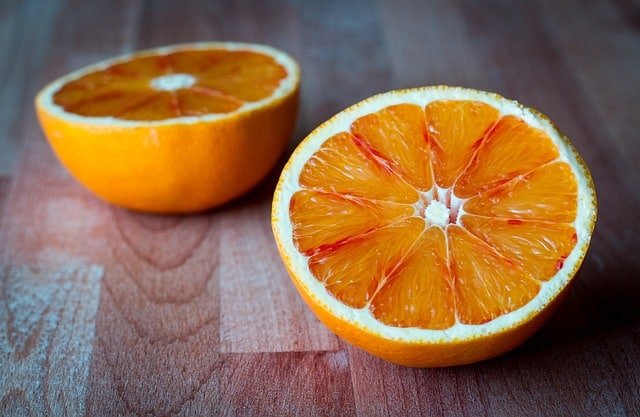
Oranges rank among the most popular treats rabbit owners ask about, and for good reason. Rabbits have a natural sweet tooth and will eagerly gobble up any citrus fruit you offer. The challenge is knowing exactly how much is safe, which parts to offer, and when to avoid oranges altogether. This guide covers everything you need to know about feeding oranges to your rabbit based on their breed size, age, and health status.
Are Oranges Safe for Rabbits?
Oranges are safe for healthy adult rabbits when fed in controlled portions. The fruit itself is non-toxic, and most rabbits tolerate small amounts without any digestive issues. The key concerns with oranges are their high sugar content (about 9 grams per 100 grams of fruit) and their citric acid levels.
A rabbit's digestive system is designed to process high-fiber, low-sugar foods like timothy hay. When you introduce sugary foods like oranges, the natural balance of gut bacteria can shift. In small quantities, this is harmless. In larger amounts or with frequent feeding, it can trigger serious problems like GI stasis or chronic soft stools.
The important rule is simple: treat oranges as exactly that, a treat. They should never replace any part of your rabbit's core diet of unlimited hay, measured pellets, and daily leafy greens.
How Much Orange Can a Rabbit Eat?
The right portion depends on your rabbit's body weight. Smaller breeds need proportionally less because their digestive systems are more compact and sensitive to sugar spikes.
| Breed Size | Weight Range | Orange Portion Per Serving | Frequency |
|---|---|---|---|
| Small breeds (Netherland Dwarf, Mini Rex, Polish) | 1.1 to 3.5 lbs | 1 teaspoon of flesh | Once per week |
| Medium breeds (Dutch, Mini Lop, Holland Lop) | 4 to 8 lbs | 1 tablespoon (half a thin slice) | 1-2 times per week |
| Large breeds (New Zealand, Californian, Flemish Giant) | 9 to 14+ lbs | 1-2 tablespoons (one thin slice) | 1-2 times per week |
Source: Patry, Karen, et al. The Rabbit-Raising Problem Solver. Storey Publishing, 2014.
These are maximum amounts. Starting with less is always safer, especially if your rabbit has never eaten oranges before. Offer a tiny piece (about the size of your thumbnail) and wait 24 hours to watch for any changes in stool consistency or appetite before increasing the portion.
What Parts of an Orange Can Rabbits Eat?
Orange Flesh
The juicy inner flesh is the part most rabbits prefer. It contains vitamin C, potassium, and dietary fiber, but also the highest concentration of sugar. Always cut it into small, manageable pieces rather than offering a whole segment. Remove any visible seeds before serving.
Orange Peel
Orange peel is safe for rabbits and actually contains more fiber and less sugar than the flesh. Some rabbits enjoy the texture and slightly bitter taste. If you offer peel, wash the orange thoroughly first to remove any pesticide residue or wax coating. Organic oranges are the better choice if you plan to feed the peel regularly.
Orange Leaves and Branches
Orange tree leaves and small branches are safe for rabbits to chew on. The leaves provide roughage, and the branches give rabbits something to gnaw on, which helps keep their teeth from becoming overgrown. As with the peel, make sure no pesticides or chemicals have been sprayed on the tree before offering these to your rabbit.
Orange Seeds
Never feed orange seeds to your rabbit. Seeds are a choking hazard and could potentially cause an intestinal blockage. Always remove seeds from any orange pieces before offering them to your rabbit.
Can Baby Rabbits Eat Oranges?
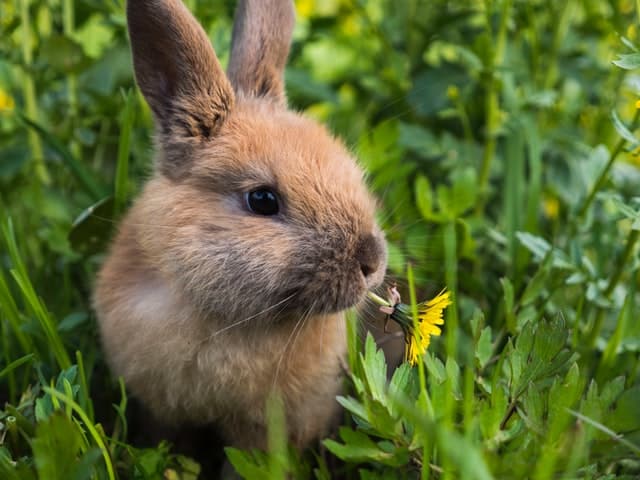
No. Rabbits under 7 months old should not eat oranges or any other fruit. Young rabbits have immature gut flora that cannot handle the sugar and acidity in citrus fruits. Feeding fruit to a young rabbit increases the risk of potentially fatal conditions like gastrointestinal stasis and severe diarrhea.
Here is a breakdown of what rabbits should eat at each stage of life:
| Age | Hay | Pellets | Vegetables | Fruits (Including Oranges) |
|---|---|---|---|---|
| Birth to 7 weeks | Mother's milk, then unlimited alfalfa | Unlimited | None | None |
| 7 weeks to 12 weeks | Unlimited alfalfa | Unlimited | None | None |
| 12 weeks to 7 months | Unlimited alfalfa | Unlimited | Introduce one at a time, under 15g | None |
| 7 months to 1 year | Transition to grass hay | Reduce to 1/2 cup per 6 lbs | Increase gradually | Max 1-2 oz per 6 lbs body weight |
| Adult (1-5 years) | Unlimited grass hay | 1/4 to 1/2 cup per 6 lbs | 1-2 cups per 6 lbs | Max 2 tbsp per 6 lbs body weight |
Source: Lafeber Veterinary - Basic Rabbit Care
Once your rabbit reaches 7 months, you can start introducing fruit slowly. Offer a tiny piece of orange and monitor their droppings for the next 24 hours. If everything looks normal, you can gradually work up to the portions listed in the table above.
Can Pregnant Rabbits Eat Oranges?
While oranges are not toxic to pregnant or lactating does, we recommend avoiding them during pregnancy. Pregnant rabbits need calorie-dense, nutrient-rich foods to support their developing kits. Oranges provide mostly sugar with limited nutritional value compared to quality hay and properly portioned pellets.
The sugar in oranges can also contribute to excess weight gain during pregnancy, which creates complications during kindling. Focus on providing unlimited alfalfa hay, adequate pellets, and fresh water. Save the orange treats for after the doe has weaned her litter and returned to her normal diet.
What Are the Risks of Feeding Too Many Oranges?

Overfeeding oranges can lead to several health problems. These range from mild digestive upset to life-threatening conditions, so sticking to recommended portions is critical.
Gastrointestinal Stasis
GI stasis is the most dangerous risk. When a rabbit eats too much sugar and not enough fiber, gut motility slows down or stops entirely. The cecum, where fermentation normally occurs, becomes overloaded with the wrong type of bacteria. Gas builds up, the rabbit stops eating, and without treatment, this condition can be fatal within 24 to 48 hours.
Signs of GI stasis include a sudden loss of appetite, no droppings or very small droppings, a hunched posture, and grinding teeth from pain. If you notice any of these symptoms after feeding oranges, remove all food except hay and contact your veterinarian immediately.
Obesity
Oranges contain roughly 47 calories per 100 grams, almost entirely from sugar. For a 4-pound rabbit whose daily caloric need is only about 120 to 150 calories, even a few extra pieces of orange can represent a significant percentage of their daily intake. Regular overfeeding leads to weight gain, which puts strain on joints, the heart, and the liver.
A rabbit's ideal diet should be approximately 80-90% hay, 5-10% fresh vegetables, a measured amount of pellets, and only occasional treats.
Dental Problems
Sugar promotes the growth of harmful bacteria in the mouth, and citric acid can erode tooth enamel over time. Rabbits already face dental challenges because their teeth grow continuously throughout their lives. Adding frequent sugar exposure increases the risk of painful dental disease.
Watch for warning signs like drooling, reduced food intake, weight loss, or swelling around the jaw. Dental problems can quickly become life-threatening because a rabbit that stops eating will develop GI stasis.
Soft Uneaten Cecotrophs
Healthy rabbits produce two types of droppings: hard round fecal pellets and soft, shiny cecotrophs that they eat directly from their body. When a rabbit's diet contains too much sugar, the cecotrophs become mushy and the rabbit refuses to eat them. You will find these grape-like clusters stuck to your rabbit's fur or smeared around their living area.
This is usually a diet problem that resolves when you cut out sugary treats and increase hay intake. However, persistently soft cecotrophs can lead to flystrike in warm weather, which is a veterinary emergency.
Diarrhea
True diarrhea in rabbits, where droppings are entirely liquid, is a medical emergency. It differs from uneaten cecotrophs, though the two are often confused. If your rabbit has watery diarrhea after eating oranges, stop all food except hay, provide fresh water, and get to a vet as quickly as possible. Diarrhea causes rapid dehydration and can be fatal within hours, especially in young rabbits.
When Should You Stop Feeding Oranges to Your Rabbit?
Stop offering oranges immediately if you notice any of these changes:
- Smaller than normal droppings or no droppings at all
- Soft, mushy stool or true diarrhea
- Loss of appetite for hay or pellets
- Bloating or a hard, distended belly
- Lethargy or reluctance to move
- Teeth grinding (a sign of pain in rabbits)
Switch to hay only for 24 to 48 hours. If symptoms persist or worsen, consult your veterinarian. Some rabbits simply do not tolerate citrus fruits well, and that is perfectly fine. There are plenty of other safe treat options available.
Nutritional Breakdown of Oranges
Understanding what is actually in an orange helps explain why moderation matters so much for rabbits.
| Nutrient | Amount per 100g | Relevance for Rabbits |
|---|---|---|
| Calories | 47 kcal | High for a rabbit's small caloric needs |
| Sugar | 9.35g | Excessive sugar disrupts gut flora |
| Fiber | 2.4g | Low compared to hay (25-30% fiber) |
| Vitamin C | 53.2mg | Rabbits produce their own vitamin C, so this is unnecessary |
| Potassium | 181mg | Supports muscle and nerve function |
| Calcium | 40mg | Excess calcium can cause bladder sludge |
| Water | 86.75g | High water content can soften cecotrophs |
One thing many owners do not realize is that rabbits synthesize their own vitamin C, unlike humans and guinea pigs. So the biggest nutritional selling point of oranges for people offers no real benefit to rabbits. The primary value of oranges for rabbits is simply as an enjoyable treat that strengthens the bond between you and your pet.
Can Rabbits Eat Mandarin Oranges, Clementines, or Tangerines?
Yes, all citrus varieties in the orange family are safe for rabbits in the same small quantities. Mandarins, clementines, tangerines, and satsumas all have similar sugar content and acidity levels. The same portion guidelines apply: 1 teaspoon for small breeds, 1 tablespoon for medium breeds, and 1-2 tablespoons for large breeds, offered no more than twice per week.
Blood oranges and navel oranges are also fine. The variety matters less than the quantity. Choose whichever type is available and follow the same moderation rules.
Safe Fruit Alternatives to Oranges
If your rabbit does not tolerate citrus well, or if you want to rotate treats for variety, there are many other rabbit-safe fruits to consider. All fruits should follow the same general treat guidelines: small portions, once or twice per week maximum.
- Strawberries (remove the green top or leave it on, both are safe)
- Watermelon (flesh only, remove seeds)
- Blueberries (2-3 berries per serving for small breeds)
- Apple slices (always remove seeds, which contain cyanide compounds)
- Banana (very high in sugar, use sparingly)
- Papaya (may help with hairball prevention)
- Pear (remove seeds)
- Raspberry (lower sugar compared to other fruits)
Remember that all of these are treats. The foundation of a healthy rabbit diet is unlimited grass hay, a consistent daily feeding schedule, fresh leafy greens, and measured pellets.
How to Introduce Oranges to Your Rabbit for the First Time
If your rabbit has never eaten oranges before, follow these steps to introduce them safely:
- Confirm your rabbit is old enough. They must be at least 7 months old before trying any fruit.
- Start with a tiny piece. Offer a piece about the size of your pinky fingernail.
- Wait and observe for 24 hours. Watch for changes in droppings, appetite, or behavior.
- Check the litter box. Normal hard, round droppings mean your rabbit tolerated the orange well.
- Gradually increase. If all looks good, you can offer slightly more next time, up to the recommended maximum for your rabbit's breed size.
- Never combine new foods. Only introduce one new treat at a time so you can identify the cause if any digestive issues appear.
This slow introduction process applies to all new foods, not just oranges. A rabbit's gut flora needs time to adjust to dietary changes, and rushing the process is one of the most common causes of preventable digestive problems.
Frequently Asked Questions
Can rabbits eat orange peels?
Yes, rabbits can safely eat orange peels. The peel actually contains more fiber and less sugar than the flesh, making it a slightly better option nutritionally. Always wash the peel thoroughly to remove pesticides and wax before offering it to your rabbit. Offer small pieces as an occasional treat, not a daily addition.
Can rabbits eat orange seeds?
No, you should never give orange seeds to a rabbit. Seeds are a choking hazard and can cause intestinal blockages if swallowed. Always remove all seeds from orange slices before feeding them to your rabbit, regardless of the citrus variety.
How often can I give my rabbit oranges?
Limit oranges to once or twice per week at most. Each serving should be a small amount based on your rabbit's breed size. On days you offer oranges, do not give other sugary treats like bananas or grapes. Space out treat days to give your rabbit's digestive system time to process the extra sugar.
Can rabbits drink orange juice?
No, rabbits should not drink orange juice. Juice concentrates all the sugar from the fruit while removing the beneficial fiber. Even a small amount of orange juice delivers a sugar spike that can disrupt gut bacteria. Rabbits should only drink fresh, clean water.
Will oranges make my rabbit sick?
Oranges will not make a healthy adult rabbit sick when fed in proper portions. Problems only arise from overfeeding or giving oranges to rabbits who are too young, pregnant, or already dealing with digestive issues. Stick to the recommended amounts and frequency, and oranges are a safe, enjoyable treat.
Cite this article:
Cite this article:
BunnySync (February 22, 2026) Can Rabbits Eat Oranges? Safe Feeding Guide for 2026. Retrieved from https://bunnysync.com/blog/can-rabbits-eat-oranges.
"Can Rabbits Eat Oranges? Safe Feeding Guide for 2026." BunnySync - February 22, 2026, https://bunnysync.com/blog/can-rabbits-eat-oranges