Yes, rabbits can eat lamb's lettuce (also called mache or corn salad). It is one of the safest leafy greens you can offer your rabbit because it contains very low levels of lactucarium and calcium compared to other lettuce varieties. Feed up to 128 grams of lamb's lettuce per kilogram of your rabbit's body weight per day, and always introduce it gradually over one to two weeks to avoid digestive upset.
Lamb's lettuce is a favorite among breeders for good reason. It has a mild, slightly nutty flavor that rabbits love, and its nutritional profile makes it a solid addition to a rotating vegetable mix. That said, there are important guidelines around portion sizes, age restrictions, and risks of overfeeding that every rabbit owner should understand before adding it to their bunny's diet.
What Is Lamb's Lettuce and Why Is It Good for Rabbits?
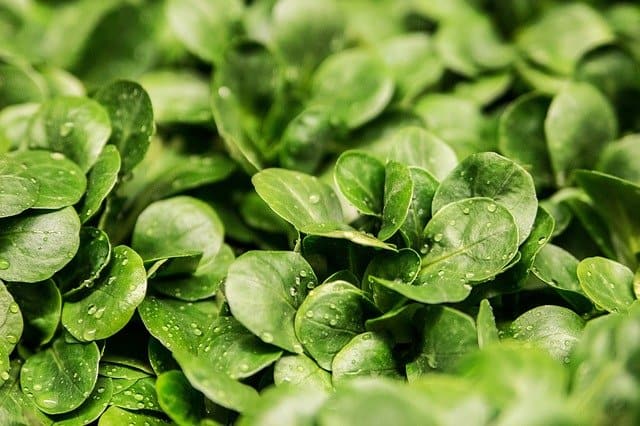
Lamb's lettuce (Valerianella locusta) goes by several names: mache, corn salad, field salad, and rapunzel. It is a small, rosette-shaped green with soft, spoon-shaped leaves and a delicate, slightly sweet flavor. Unlike iceberg lettuce, which contains high levels of lactucarium (a milky fluid that acts as a mild sedative and can cause digestive problems in rabbits), lamb's lettuce contains only trace amounts of this compound.
This makes lamb's lettuce one of the safer lettuce options for rabbits, sitting alongside romaine and red leaf lettuce in terms of safety. However, there is an important rule of thumb that experienced breeders follow: the darker the leaves, the more nutritious they tend to be. Lamb's lettuce has a deep green color, which is a reliable indicator of higher nutrient density.
Nutritional Profile of Lamb's Lettuce
Lamb's lettuce provides several nutrients that benefit rabbits when fed as part of a balanced diet. Here is a breakdown per 100 grams of raw lamb's lettuce:
| Nutrient | Amount per 100g | Benefit for Rabbits |
|---|---|---|
| Water | 92.8g | Helps with hydration |
| Fiber | 1.8g | Supports gut motility |
| Vitamin A (as beta-carotene) | 7,092 IU | Bone development, vision, immune function |
| Vitamin C | 38.2mg | Antioxidant support |
| Iron | 2.18mg | Oxygen transport in blood |
| Potassium | 459mg | Muscle and nerve function |
| Calcium | 38mg | Bone health (moderate, not excessive) |
| Calories | 21 kcal | Low calorie, safe for weight management |
The standout nutrient here is beta-carotene, which converts to vitamin A in the body. Vitamin A plays a critical role in your rabbit's bone development, reproductive health, vision, and immune response. Lamb's lettuce actually provides more beta-carotene per serving than many other common greens, making it a valuable dietary supplement.
The calcium content sits at a moderate 38mg per 100g. This is significantly lower than high-calcium greens like kale or spinach, which makes lamb's lettuce a better everyday option for rabbits prone to urinary sludge or bladder stones.
Do Rabbits Like Eating Lamb's Lettuce?
In our experience, rabbits absolutely love lamb's lettuce. Its soft texture and mild, slightly nutty flavor make it one of those greens that most rabbits will eat without hesitation. Many breeders report that their rabbits prefer lamb's lettuce over their regular pellets, especially when the leaves are fresh and crisp.
This enthusiasm is actually something to watch out for. Rabbits have very little self-control when it comes to foods they enjoy, and they will happily eat far more lamb's lettuce than is healthy if given the chance. That is why portion control is essential.
If you are introducing lamb's lettuce to your rabbit for the first time, start with just a few leaves (about 15 to 20 grams for an average-sized rabbit) and observe your rabbit's droppings for the next 24 to 48 hours. If the droppings remain firm and well-formed, you can gradually increase the amount over the following two weeks until you reach the full recommended daily portion.
How Much Lamb's Lettuce Can a Rabbit Eat Per Day?
The safe daily amount of lamb's lettuce depends on your rabbit's size and breed category. The general guideline is 128 grams of lamb's lettuce per kilogram (2.2 pounds) of body weight per day. However, this should not be the only vegetable your rabbit receives. Aim to rotate lamb's lettuce with three to five other safe vegetables throughout the week.
Make sure your rabbit is still eating plenty of hay, which should make up at least 80% of their diet. Vegetables like lamb's lettuce are supplements, not replacements for hay.
| Rabbit Size (Breed Category) | Body Weight | Age Requirement | Daily Lamb's Lettuce Limit |
|---|---|---|---|
| Small breeds (Netherland Dwarf, Mini Rex, Holland Lop) | 1.1 to 3.5 lbs (0.5 to 1.6 kg) | Under 12 weeks | None |
| 12 weeks to 1 year | Introduce gradually, small amounts only | ||
| Over 1 year | Up to 128 grams | ||
| Medium breeds (Dutch, Rex, English Angora) | 6 to 10 lbs (2.7 to 4.5 kg) | Under 12 weeks | None |
| 12 weeks to 1 year | Introduce gradually, small amounts only | ||
| Over 1 year | 384 to 640 grams | ||
| Large breeds (Flemish Giant, French Lop, New Zealand) | 9 to 12+ lbs (4 to 5.4+ kg) | Under 12 weeks | None |
| 12 weeks to 1 year | Introduce gradually, small amounts only | ||
| Over 1 year | 384 to 760 grams | ||
| Pregnant or lactating does (any breed) | Any | Adult | Same diet; increase pellets during last 10 days of pregnancy |
Source: Patry, Karen, et al. The Rabbit-Raising Problem Solver: Your Questions Answered about Housing, Feeding, Behavior, Health Care, Breeding, and Kindling. Storey Publishing, 2014.
Keep in mind that these are upper limits, not targets. It is perfectly fine (and often better) to feed less than the maximum, especially if you are rotating through several different vegetables each day. Variety is more important than hitting a specific gram count for any single vegetable.
When Can Rabbits Start Eating Lamb's Lettuce?
You can begin introducing small amounts of lamb's lettuce to rabbits that are at least 12 weeks old. Before this age, kits should be eating only their mother's milk and gradually transitioning to hay and pellets. Their digestive systems are not developed enough to handle fresh vegetables safely.

When introducing lamb's lettuce to a young rabbit (12 weeks to 6 months old), follow these steps:
- Start with a single leaf (roughly 5 to 10 grams) on the first day.
- Wait 48 hours and monitor droppings for changes in size, consistency, or frequency.
- If droppings are normal, increase by one additional leaf every three to four days.
- Only introduce one new vegetable at a time. If you are also trying cilantro or parsley, wait at least two weeks between introductions. This way, if digestive issues appear, you will know exactly which vegetable caused the problem.
- If you notice soft or mushy droppings, stop feeding lamb's lettuce immediately and return to a hay-only diet for 48 hours before trying again with a smaller amount.
Young rabbits have extremely sensitive stomachs and can develop life-threatening diarrhea or GI stasis from sudden dietary changes. Taking the introduction process slowly is not optional; it is a necessity for keeping your young rabbit safe.
When Should You Not Feed Lamb's Lettuce to Rabbits?
While lamb's lettuce is generally safe, there are specific situations where you should avoid feeding it:
- Rabbits under 12 weeks old: Their gut flora is still developing, and introducing fresh vegetables too early can cause fatal diarrhea.
- Rabbits with active digestive problems: If your rabbit currently has soft stools, is not pooping, or shows signs of GI stasis, stick to a hay-only diet. Lamb's lettuce has a high water content (92.8%) which can make diarrhea worse.
- Rabbits recovering from surgery: Post-surgical rabbits should eat whatever they are willing to eat, but hay should be the priority. Check with your veterinarian before reintroducing fresh vegetables.
- Rabbits that have previously shown intolerance: Some rabbits simply do not tolerate lettuce of any kind. If your rabbit consistently produces soft cecotrophs or loose stools after eating lamb's lettuce, remove it from their diet permanently and replace it with other safe greens like cilantro or basil.
A good way to monitor your rabbit's response is to check their litter box twice daily when introducing any new food. Look for changes in droppings and watch for uneaten cecotrophs, which often appear as small, dark, clustered pellets stuck together with a shiny coating.
Risks of Overfeeding Lamb's Lettuce to Rabbits
Any food other than hay carries risks when fed in excess. Lamb's lettuce is no exception. While it is one of the safer greens, overfeeding it can lead to several health problems:
1. Diarrhea
Lamb's lettuce is over 92% water. Feeding too much of it displaces the fiber-rich hay that your rabbit needs for proper digestion. Without enough fiber, the cecum (the fermentation chamber in your rabbit's digestive system) cannot function properly, leading to loose or watery stools. In young rabbits, diarrhea can become life-threatening within 24 to 48 hours if left untreated.
2. Uneaten Cecotrophs
Cecotrophs are the nutrient-rich, soft pellets that rabbits produce and re-ingest directly from their anus. They are essential for absorbing B vitamins and other nutrients. When a rabbit's diet is too low in fiber or too high in water content, the cecotrophs become mushy and the rabbit stops eating them. You will notice these as dark, smelly clusters in the cage or stuck to your rabbit's fur. If this happens consistently, it is a sign that the diet needs more hay and fewer watery vegetables.
3. Gastrointestinal Stasis
GI stasis occurs when the passage of food through your rabbit's digestive tract slows down or stops completely. Overfeeding lamb's lettuce can contribute to this condition by disrupting the balance of gut bacteria. Symptoms include loss of appetite, a bloated or hard belly, reduced or absent droppings, and lethargy. GI stasis is a veterinary emergency that requires immediate attention.
4. Nutritional Imbalance
If lamb's lettuce becomes the dominant part of your rabbit's vegetable intake, your rabbit may miss out on the nutrient variety that comes from eating a range of different greens. Rotating between four to six vegetables throughout the week ensures your rabbit receives a broader spectrum of vitamins and minerals.
How Lamb's Lettuce Compares to Other Lettuce Varieties
Not all lettuce is created equal when it comes to rabbits. Here is how lamb's lettuce stacks up against other common varieties:
| Lettuce Type | Safe for Rabbits? | Lactucarium Level | Nutritional Value | Notes |
|---|---|---|---|---|
| Lamb's lettuce (mache) | Yes | Very low | High (rich in beta-carotene, iron) | One of the best lettuce options |
| Romaine lettuce | Yes | Low | Moderate | Good everyday option |
| Red leaf lettuce | Yes | Low | Moderate to high | Dark leaves indicate higher nutrients |
| Green leaf lettuce | Yes | Low | Moderate | Safe in normal portions |
| Butterhead lettuce | Yes (in moderation) | Moderate | Low to moderate | Feed less frequently |
| Iceberg lettuce | No | High | Very low | Can cause diarrhea and sedation |
As you can see, lamb's lettuce ranks among the best options alongside romaine and red leaf lettuce. Iceberg lettuce should always be avoided due to its high lactucarium content and minimal nutritional value.
Healthy Vegetable Alternatives to Lamb's Lettuce
For a well-balanced diet, rotate lamb's lettuce with other safe vegetables throughout the week. Here are some excellent options that pair well with lamb's lettuce in a rotation schedule:
- Leafy greens: Romaine lettuce, dandelion greens, endive, bok choy, watercress
- Herbs: Parsley, basil, cilantro, dill, mint
- Vegetables: Bell peppers, broccoli leaves, celery
A simple rotation schedule might look like this: lamb's lettuce and cilantro on Monday, romaine and parsley on Tuesday, dandelion greens and basil on Wednesday, and so on. This approach keeps your rabbit interested in their food while ensuring nutritional variety.
How to Prepare Lamb's Lettuce for Your Rabbit
Proper preparation matters for food safety:
- Buy organic when possible. Conventional lamb's lettuce may carry pesticide residues that are harmful to rabbits.
- Wash thoroughly. Rinse every leaf under cool running water for at least 30 seconds to remove dirt, pesticide residues, and potential parasites.
- Pat dry or shake off excess water. While rabbits can handle some moisture on their greens, dripping wet leaves add unnecessary water to their diet.
- Serve at room temperature. Cold vegetables straight from the refrigerator can cause stomach upset. Let them sit on the counter for 10 to 15 minutes before serving.
- Remove uneaten portions after 2 to 3 hours. Fresh greens wilt and can grow bacteria quickly, especially in warm environments.
Can Rabbits Eat Lamb's Lettuce Every Day?
Yes, rabbits can eat lamb's lettuce daily as long as it is part of a varied vegetable rotation. However, it should not be the only vegetable they receive every day. The ideal approach is to offer lamb's lettuce three to four times per week alongside other greens, so your rabbit benefits from a wider range of nutrients.
If you do feed lamb's lettuce daily, make sure to pair it with a different second vegetable each day. For example, lamb's lettuce with parsley one day and lamb's lettuce with celery leaves the next. This prevents nutritional gaps and keeps your rabbit from becoming a picky eater who refuses anything else.
Signs Your Rabbit Is Not Tolerating Lamb's Lettuce
Watch for these warning signs after introducing lamb's lettuce to your rabbit's diet:
- Soft or mushy droppings that lose their round shape
- Uneaten cecotrophs left in the cage or stuck to fur around the tail
- Reduced appetite for hay or pellets
- Bloating or a hard, distended belly
- Lethargy or reluctance to move
- Excess gas sounds from the stomach area
If you notice any of these symptoms, stop feeding lamb's lettuce immediately and switch to hay only for 48 hours. If symptoms persist beyond 24 hours or if your rabbit stops eating entirely, contact your veterinarian right away. GI issues in rabbits can escalate rapidly, and a rabbit that has not eaten for 12 or more hours is at serious risk.
Frequently Asked Questions
Is lamb's lettuce better than romaine for rabbits?
Lamb's lettuce and romaine are both safe and nutritious options. Lamb's lettuce contains more beta-carotene and iron per serving, while romaine is more widely available and slightly higher in fiber. Both are excellent choices, and the best approach is to rotate between them throughout the week.
Can baby rabbits eat lamb's lettuce?
Rabbits under 12 weeks old should not eat lamb's lettuce or any fresh vegetables. Their digestive systems are still developing, and introducing greens too early can cause fatal diarrhea. Start with tiny amounts at 12 weeks and increase gradually over several weeks.
Can I grow lamb's lettuce at home for my rabbit?
Yes, lamb's lettuce is easy to grow at home in containers or garden beds. It prefers cool temperatures and partial shade. Growing your own ensures the greens are pesticide-free and freshly harvested, which maximizes nutritional value for your rabbit.
Does lamb's lettuce cause bladder sludge in rabbits?
Lamb's lettuce has a moderate calcium content (38mg per 100g), which is lower than high-calcium greens like spinach or kale. It is unlikely to cause bladder sludge on its own when fed in recommended amounts. However, if your rabbit is already prone to urinary issues, consult your vet about appropriate greens.
How do I store lamb's lettuce to keep it fresh for my rabbit?
Store unwashed lamb's lettuce in a sealed container or plastic bag with a slightly damp paper towel in the refrigerator. It stays fresh for about five to seven days. Wash it only right before serving, as excess moisture during storage causes the leaves to wilt and decay faster.
Cite this article:
Cite this article:
BunnySync (March 19, 2026) Can Rabbits Eat Lamb's Lettuce? Safe Feeding Guide for 2026. Retrieved from https://bunnysync.com/blog/can-rabbits-eat-lambs-lettuce.
"Can Rabbits Eat Lamb's Lettuce? Safe Feeding Guide for 2026." BunnySync - March 19, 2026, https://bunnysync.com/blog/can-rabbits-eat-lambs-lettuce
Sources
- Patry, Karen, et al. The Rabbit-Raising Problem Solver: Your Questions Answered about Housing, Feeding, Behavior, Health Care, Breeding, and Kindling. Storey Publishing, 2014.
- Basic Rabbit Care
- Lambs lettuce - Nutritionix
- Rabbit Health Problems - VCA Animal Hospitals