Yes, rabbits can safely eat and chew on jute fibers, provided the jute product is specifically designed for small animals and free from harmful chemicals. Natural, untreated jute rope is a plant-based fiber that poses no toxicity risk to rabbits. In fact, many rabbit toy manufacturers use jute as a binding material precisely because it is safe if ingested. If you have ever watched your rabbit shred a jute-tied toy with enthusiasm, you already know how much they enjoy it.
That said, not all jute products are created equal. Industrial jute ropes, burlap sacks from hardware stores, and decorative jute items are often treated with pesticides, flame retardants, or chemical dyes that can be dangerous to rabbits. The key distinction is always between pet-safe jute and general-purpose jute. Below, we cover everything you need to know about rabbits and jute, from why they love it to how to choose the safest options.
What Exactly Is Jute and Why Do Rabbits Like It?
Jute is a natural vegetable fiber harvested primarily from the Corchorus plant, grown mostly in Bangladesh and India. It is one of the most affordable natural fibers in the world and is used to make burlap, twine, rope, and sacking material. The fibers are long, soft, and shiny with a golden color, which is why jute is sometimes called "the golden fiber."
Rabbits are drawn to jute for several reasons:
- High fiber content: Jute is essentially plant cellulose. Rabbits are hardwired to seek out and consume fibrous materials, so jute triggers their natural foraging instincts.
- Satisfying texture: The coarse, ropey texture gives rabbits something substantial to sink their teeth into, which feels rewarding for animals that need to chew constantly.
- Teeth maintenance: Rabbit teeth grow continuously at roughly 1 cm (about 0.4 inches) per month. Chewing on tough jute fibers helps wear down their teeth naturally, reducing the risk of dental overgrowth.
- Boredom relief: Shredding and pulling apart jute rope provides mental stimulation, which is critical for indoor rabbits that may not get enough environmental enrichment.
Is Jute Safe for Rabbits to Ingest?
Natural, untreated jute is safe for rabbits to ingest in small quantities. The fiber passes through their digestive system similarly to hay or grass. Since jute is made entirely from plant cellulose, it is non-toxic and does not contain any compounds that are harmful to rabbits.
However, there is an important distinction between chewing on jute and consuming large amounts of it. Rabbits should not be eating entire ropes or large sections of jute fabric. While small amounts that are shredded and swallowed during play are perfectly fine, a rabbit that eats excessive jute could develop a gastrointestinal blockage. This is the same risk that applies to any non-food fibrous material.
Signs of a GI Blockage to Watch For
If your rabbit has consumed a large amount of jute (or any foreign material), watch for these warning signs:
- Loss of appetite or refusal to eat
- Smaller or fewer droppings than normal
- Bloated or hard abdomen
- Lethargy or hunched posture
- Teeth grinding from pain (different from the soft purring grind of contentment)
If you notice any of these symptoms, contact your rabbit-savvy veterinarian immediately. GI blockages can become life-threatening within 12 to 24 hours in rabbits.
Which Types of Jute Are Safe for Rabbits?
Not every jute product you find is appropriate for your rabbit. Here is a breakdown of what is safe and what to avoid:
| Jute Product | Safe for Rabbits? | Notes |
|---|---|---|
| Pet store jute rope toys | Yes | Specifically made for small animals, untreated |
| Natural jute twine (craft grade, untreated) | Yes, with caution | Verify no chemical treatments; check packaging |
| Jute-wrapped scratching posts (for cats) | No | Often treated with adhesives and may contain sisal instead |
| Hardware store burlap/jute rope | No | Frequently treated with pesticides or petroleum-based preservatives |
| Decorative jute ribbons | No | May contain dyes, glue, or synthetic fibers blended in |
| Jute garden netting | No | Treated with UV inhibitors and sometimes fungicides |
The safest approach is to only buy jute products from reputable pet supply stores or online retailers that specifically market their items for rabbits or small animals. These products are manufactured under standards that ensure no harmful chemicals are present.
How to Choose Safe Jute Toys for Your Rabbit
When shopping for jute toys or rope for your rabbit, follow these guidelines:
- Check the label for "pet safe" or "small animal safe" designation. Reputable manufacturers clearly state that their jute products are untreated and safe for ingestion.
- Avoid anything with added dyes or colors. Natural jute has a golden-brown color. If the jute rope is brightly colored, it has been dyed and those dyes may not be food-safe.
- Smell the product. Natural jute has a mild, earthy scent. If it smells chemical, oily, or overly processed, do not give it to your rabbit.
- Inspect for glue or adhesive. Many toys use hot glue or craft adhesive to hold components together. If you can see visible glue residue, either remove those sections or choose a different toy.
- Look for 100% jute content. Some ropes blend jute with synthetic fibers like polypropylene for added strength. These blends are not safe for rabbits to chew on because synthetic fibers cannot be digested.
DIY Jute Toys You Can Make at Home
Making your own jute toys is simple, affordable, and lets you control exactly what materials your rabbit is exposed to. Here are a few ideas that breeders commonly use:
Jute Rope Chew Ring
Take a length of untreated, pet-safe jute rope (about 60 cm or 24 inches) and tie it into a loose ring or figure-eight shape. You can thread a few pieces of dried hay or safe herbs like basil through the knots to make it more enticing. Hang it from the side of the enclosure or leave it on the floor for your rabbit to toss around.
Jute-Wrapped Cardboard Tube
Take a toilet paper or paper towel roll and wrap untreated jute twine around it several times. Stuff the inside with hay. Your rabbit will enjoy unraveling the jute while pulling out the hay, combining foraging enrichment with dental exercise.
Jute Foraging Mat
Weave strips of jute rope through a simple grid pattern (you can use a piece of cardboard with holes punched in it as a base). Tuck small pieces of hay, dried herbs, or a few pellets between the weave. This creates a foraging activity that can keep your rabbit busy for extended periods.
Jute vs. Other Common Rabbit Toy Materials
Rabbit owners often wonder how jute compares to other materials commonly used in rabbit toys. Here is how they stack up:
| Material | Safe to Chew? | Safe to Ingest? | Dental Benefit | Enrichment Value |
|---|---|---|---|---|
| Jute (untreated) | Yes | Yes (small amounts) | Moderate | High |
| Willow | Yes | Yes | High | High |
| Seagrass | Yes | Yes (small amounts) | Moderate | High |
| Sisal | With caution | No | Moderate | Moderate |
| Cotton rope | No | No (blockage risk) | Low | Low |
| Plastic | No | No | None | Low |
Among natural fibers, jute and willow are two of the safest choices for rabbits. Sisal, while commonly found in cat toys, is coarser and more difficult to digest, making it a less ideal option. Cotton rope should be avoided entirely because cotton fibers can mat together in the gut and cause serious blockages.
How Much Jute Is Too Much?
There is no precise "dose" of jute for rabbits since it is not a food item. The goal is to provide jute as an enrichment and dental health tool, not as a dietary component. As a general guideline:
- Supervised play sessions: Let your rabbit have access to jute toys during playtime. If you notice your rabbit is eating large pieces rather than just shredding them, limit access.
- Monitor droppings: If your rabbit's droppings change in size, shape, or frequency after introducing jute toys, reduce their access. Consistent, round, uniform droppings indicate healthy digestion.
- Replace worn toys: Once a jute toy is heavily frayed or reduced to small loose pieces, replace it. Small loose strands are more likely to be swallowed in large quantities.
Most rabbits naturally shred jute rather than eat it in bulk. They pull the fibers apart, toss pieces around, and may swallow small bits incidentally. This normal play behavior is not a concern.
Can Baby Rabbits Chew on Jute?
Baby rabbits (kits) under 12 weeks old should not be given jute toys. Young rabbits have developing digestive systems that are more sensitive to foreign materials. Their gut flora is still establishing itself, and introducing non-food fibers too early increases the risk of digestive upset.
Once a rabbit is 12 weeks or older and fully weaned onto an adult diet of hay, pellets, and vegetables, you can begin introducing jute toys. Start with a single small toy and observe how your rabbit interacts with it over several days before adding more.
What to Do If Your Rabbit Eats Treated Jute
If your rabbit has chewed on or ingested jute that you suspect was chemically treated (for example, from a hardware store or decorative item), take these steps:
- Remove the jute immediately and prevent further access.
- Offer fresh hay and water to help flush the digestive system. Timothy hay is ideal because its high fiber content promotes gut motility.
- Monitor your rabbit closely for the next 24 to 48 hours. Watch for changes in appetite, droppings, energy level, and behavior.
- Contact your veterinarian if you notice any symptoms such as lethargy, loss of appetite, diarrhea, or a hunched posture. Bring the jute product with you so the vet can assess what chemicals may have been involved.
In most cases, a small amount of treated jute will pass through without causing serious harm. The greater concern is with repeated exposure over time, which could lead to cumulative toxicity.
Where to Buy Safe Jute Products for Rabbits
You can find pet-safe jute products at most well-stocked pet stores and online retailers. When buying online, look for products that specifically mention "rabbit safe," "small animal safe," or "100% natural untreated jute." Read reviews from other rabbit owners to confirm the product's safety.
Popular jute-based rabbit toys include hanging chew toys, woven jute balls, jute rope bridges for setting up inside hutches, and jute-wrapped wooden blocks. Many of these toys combine jute with other safe materials like untreated wood, hay, and dried herbs to create multi-texture enrichment items.
Jute Rope as a Cage Accessory
Some rabbit owners use jute rope to tie accessories inside the cage or to create hanging toys. This is generally fine as long as the rope is untreated and the rabbit cannot get tangled in long loose strands. Always ensure that:
- Rope lengths are short enough that your rabbit cannot wrap them around its neck or limbs
- Hanging toys are secured tightly so they cannot come loose and become a chewing hazard on cage bars
- You check rope condition daily and replace any sections that are fraying excessively
Frequently Asked Questions
Can rabbits eat jute bags or burlap sacks?
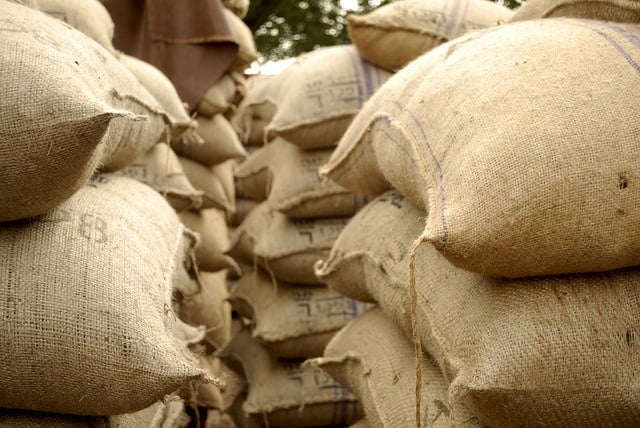
Only if the bag is made from 100% untreated natural jute and was not used to store chemicals, fertilizers, or treated products. Most burlap sacks found at garden centers or hardware stores have been chemically treated and should not be given to rabbits. Pet-safe jute sacks are available from specialty rabbit supply stores.
Is jute rope better than sisal rope for rabbits?
Yes, jute is generally a safer choice than sisal for rabbits. Jute fibers are softer and easier to digest in small amounts, while sisal is coarser and harder, posing a greater risk of GI irritation or blockage if ingested. Both provide dental benefits, but jute is the preferred option among experienced breeders.
Can jute cause an intestinal blockage in rabbits?
In normal chewing and shredding quantities, jute is very unlikely to cause a blockage. However, if a rabbit consumes unusually large amounts of jute rope or fabric in a short period, there is a small risk of GI obstruction. Always supervise initial play sessions and replace heavily worn toys promptly.
How often should I replace my rabbit's jute toys?
Replace jute toys once they are heavily frayed, reduced to small loose pieces, or visibly soiled. For most active rabbits, this means replacing jute toys every 2 to 4 weeks. Inspect toys daily for any signs of excessive wear or contamination.
Can wild rabbits eat jute?
Wild rabbits do not encounter processed jute in their natural environment. They get their fiber from grasses, bark, twigs, and other vegetation. If a wild rabbit were to chew on natural jute, it would not be harmful, but it is not a natural part of their diet.
Cite this article:
Cite this article:
BunnySync (March 12, 2026) Can Rabbits Eat Jute? Safe Chewing Guide for Rabbit Owners. Retrieved from https://bunnysync.com/blog/can-rabbits-eat-jute.
"Can Rabbits Eat Jute? Safe Chewing Guide for Rabbit Owners." BunnySync - March 12, 2026, https://bunnysync.com/blog/can-rabbits-eat-jute