Yes, rabbits can safely eat daisies. The common daisy (Bellis perennis) is non-toxic to rabbits and many bunnies actively enjoy munching on both the petals and leaves. As breeders, we regularly see rabbits gravitate toward daisies when foraging in garden spaces. That said, daisies should be treated as an occasional supplement, not a dietary staple. They lack the high fiber content that rabbits need from hay, so they work best as a treat offered once or twice per week alongside a proper diet of unlimited timothy hay, fresh vegetables, and measured pellets.
Are Daisies Safe for Rabbits to Eat?
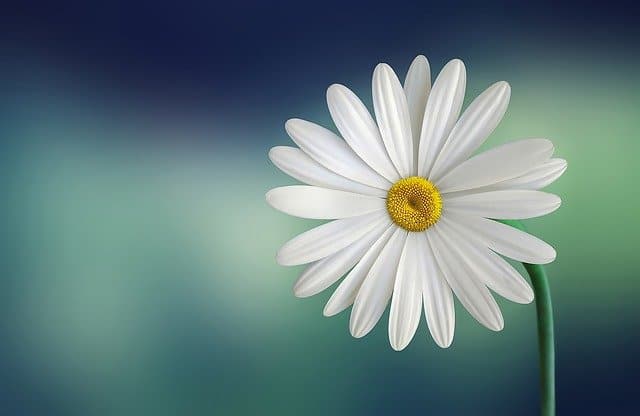
Daisies belong to the Asteraceae family, one of the largest flowering plant families in the world. The common daisy (Bellis perennis), which you find growing in lawns and meadows across Europe and North America, is completely safe for rabbits. This includes all parts of the plant: the white petals, the yellow center disc, the stems, and the leaves.
Wild rabbits have eaten daisies for thousands of years as part of their natural foraging behavior. Domestic rabbits retain this instinct, and most will nibble on daisies enthusiastically when offered. Gardeners often struggle to protect their daisy beds from wild rabbits, which is a good indicator of just how appealing these flowers are to bunnies.
It is worth noting that not every flower called a "daisy" is the same species. Shasta daisies (Leucanthemum x superbum) and oxeye daisies (Leucanthemum vulgare) are also generally considered safe for rabbits. However, you should always confirm the exact species before feeding any flower to your rabbit, as some plants that look similar to daisies could be harmful.
Which Parts of the Daisy Can Rabbits Eat?
| Part of the Daisy | Safe for Rabbits? | Notes |
|---|---|---|
| White petals | Yes | Most rabbits eat these first |
| Yellow center disc | Yes | Contains small amounts of pollen |
| Stems | Yes | Provide minor fiber content |
| Leaves | Yes | Slightly more nutritious than petals |
| Roots | Yes, but not recommended | Difficult to clean and low in nutrition |
What Is the Nutritional Value of Daisies for Rabbits?
Daisies are not a powerhouse food for rabbits, but they do contain some beneficial nutrients. The leaves and petals provide small amounts of vitamin C, flavonoids, and essential oils. Historically, daisies have been used in herbal medicine for their mild anti-inflammatory properties, though their nutritional contribution to a rabbit's diet is modest at best.
Here is an approximate nutritional breakdown per 100 grams of fresh daisy leaves and flowers:
| Nutrient | Amount (per 100g) | Relevance for Rabbits |
|---|---|---|
| Calories | ~20 kcal | Very low, good for treats |
| Fiber | ~2-3g | Low compared to hay (25-30g) |
| Water content | ~85% | Hydrating but can cause soft stools |
| Vitamin C | Trace amounts | Rabbits produce their own vitamin C |
| Calcium | Low | Minimal risk of bladder sludge |
| Sugar | Very low | Safer than fruit-based treats |
The low sugar and low calcium content make daisies a better occasional treat option than many fruits. Unlike strawberries or bananas, which are high in sugar and should be strictly limited, daisies carry a lower risk of weight gain or digestive upset when given in reasonable quantities.
How Many Daisies Can You Feed a Rabbit?
For an average adult rabbit weighing 2-3 kg (4-6 lbs), a small handful of daisy flowers and leaves once or twice per week is a safe serving size. That translates to roughly 5-10 daisy heads per serving, depending on their size.
Here is a simple feeding guide based on rabbit size:
| Rabbit Size | Weight | Daisy Serving Size | Frequency |
|---|---|---|---|
| Small breeds (Netherland Dwarf, Mini Rex) | 1-2 kg | 3-5 daisy heads | 1-2x per week |
| Medium breeds (Dutch, Mini Lop) | 2-3 kg | 5-8 daisy heads | 1-2x per week |
| Large breeds (Flemish Giant, French Lop) | 4-7 kg | 8-12 daisy heads | 1-2x per week |
If your rabbit has never eaten daisies before, start with just one or two flower heads. Monitor their droppings over the next 24 hours. Normal, round fecal pellets mean you can gradually increase the amount over the following week. Soft or misshapen droppings are a sign to cut back or stop entirely.
What Are the Risks of Overfeeding Daisies to Rabbits?
While daisies are non-toxic, overfeeding them carries real health risks. The main danger is that daisies can displace hay in your rabbit's diet, and hay is the single most important food for rabbits. According to the RSPCA's rabbit diet guidelines, hay and grass should make up at least 80-85% of a rabbit's daily food intake.
Here are the specific risks of giving too many daisies:
- GI stasis: When rabbits fill up on low-fiber foods like daisies instead of hay, their gut motility slows down. Gastrointestinal stasis is a life-threatening condition where the digestive system partially or completely stops. Symptoms include reduced appetite, small or absent droppings, a hunched posture, and teeth grinding from pain. This condition requires immediate veterinary attention.
- Diarrhea: The high water content in daisies (around 85%) combined with their low fiber can cause loose stools if consumed in large quantities. True diarrhea in rabbits is a medical emergency, especially in young kits, as dehydration can set in quickly.
- Uneaten cecotropes: Rabbits produce special nutrient-rich droppings called cecotropes that they normally re-ingest directly from their rear end. A diet too low in fiber and too high in treats leads to soft, mushy cecotropes that rabbits cannot easily consume. You will notice these as clusters of dark, sticky droppings in the cage. Restoring a hay-heavy diet for several weeks usually resolves this issue.
- Weight gain: While daisies themselves are low in calories, a rabbit that fills up on treats instead of hay may develop an imbalanced diet over time. This can contribute to obesity, especially in less active house rabbits.
How Should You Prepare Daisies for Your Rabbit?
Proper preparation is important to ensure the daisies you feed your rabbit are safe. Follow these steps:
- Source them carefully. Only pick daisies from areas that have not been treated with pesticides, herbicides, or chemical fertilizers. Roadsides and public parks are often sprayed and should be avoided. Your own untreated garden or a known organic meadow are the safest options.
- Wash thoroughly. Rinse the daisies under cool running water for at least 30 seconds to remove any dirt, insects, or residual contaminants. Gently shake off excess water before serving.
- Inspect for damage. Discard any flowers or leaves that show signs of mold, wilting, browning, or insect damage. Only offer fresh, healthy-looking daisies to your rabbit.
- Serve fresh. Daisies lose their nutritional value and freshness quickly once picked. Feed them within a few hours of picking for the best quality. Do not store picked daisies for more than a day in the refrigerator.
- Remove uneaten portions. Take away any daisies your rabbit has not eaten within 2-3 hours to prevent wilting and bacterial growth in the cage or hutch.
Can Baby Rabbits Eat Daisies?
Baby rabbits (kits) under 12 weeks old should not eat daisies or any fresh foods. Young rabbits have extremely sensitive digestive systems that are still developing the gut bacteria needed to process fresh plant matter. During this period, kits should only consume their mother's milk, alfalfa hay, and age-appropriate pellets.
Between 12 weeks and 6 months, you can begin introducing fresh foods one at a time, with at least 3-5 days between each new food. Daisies can be part of this gradual introduction process, but start with a single petal and work your way up slowly. Watch closely for any changes in droppings or appetite.
Adult rabbits over 6 months old can safely enjoy daisies following the serving sizes listed in the feeding guide above.
Which Daisy Varieties Are Safe and Unsafe for Rabbits?
The word "daisy" is used for dozens of different plants, and not all of them are equally safe. Here is a breakdown of common daisy varieties and their safety status:
| Daisy Variety | Scientific Name | Safe for Rabbits? |
|---|---|---|
| Common daisy | Bellis perennis | Yes |
| Shasta daisy | Leucanthemum x superbum | Yes |
| Oxeye daisy | Leucanthemum vulgare | Yes |
| English daisy | Bellis perennis cultivars | Yes |
| Gerbera daisy | Gerbera jamesonii | Yes, but less commonly eaten |
| African daisy | Osteospermum species | Use caution, limited data |
| Painted daisy | Tanacetum coccineum | No, contains pyrethrin (natural insecticide) |
The key variety to avoid is the painted daisy (Tanacetum coccineum), which naturally produces pyrethrin, a compound used commercially as an insecticide. While pyrethrin levels in fresh flowers are low, it is not worth the risk. If you are unsure about a specific daisy variety growing in your garden, do not feed it until you have confirmed the species.
What Other Flowers Can Rabbits Safely Eat?
If your rabbit enjoys daisies, they will likely appreciate other rabbit-safe flowers as well. Rotating different flowers keeps your rabbit's diet interesting and provides a wider range of micronutrients. Here are some excellent options:
- Dandelions: One of the most nutritious wild plants for rabbits, including the flowers, leaves, and roots.
- Roses: All parts of rose plants are safe, including petals, leaves, and even the thorny stems (rabbits handle them surprisingly well).
- Marigolds: A popular garden flower that is safe and appealing to most rabbits.
- Clover: Both the leaves and flowers are safe, though white clover is preferable to red clover in large amounts.
- Nasturtiums: Safe flowers that also have a mild peppery taste rabbits often enjoy.
- Sunflowers: The petals and leaves are safe, though sunflower seeds should be avoided due to their high fat content.
Always avoid feeding flowers from florists or garden centers, as these are almost always treated with pesticides and preservatives that can be toxic to rabbits. Only use flowers you have grown yourself without chemicals or foraged from confirmed pesticide-free areas.
Can Wild Rabbits Eat Daisies in Your Garden?
Wild rabbits absolutely eat daisies, and they do not need your permission. If you live in an area with a wild rabbit population, your garden daisies are likely already on their menu. Gardeners frequently report damage to their daisy beds from wild rabbits, particularly in spring and early summer when both daisies and rabbit populations are at their peak.
If you want to protect your ornamental daisies from wild rabbits, consider planting them inside a raised bed with chicken wire fencing at least 60 cm (2 feet) high. Alternatively, you could plant a "sacrificial" patch of daisies and clover away from your main garden to redirect the rabbits.
On the other hand, if you keep domestic rabbits and want to grow daisies specifically for them, common daisies are easy to cultivate. They thrive in most soil types, tolerate partial shade, and spread readily once established. Just make sure you never use any chemical treatments on the plants you intend to feed to your rabbits.
Frequently Asked Questions
Can rabbits eat dried daisies?
Yes, rabbits can eat dried daisies as long as they were dried naturally without any additives or preservatives. Dried daisies make a convenient treat you can store for weeks. However, they lose some nutritional value during the drying process, so fresh daisies are always the better option when available.
Are daisies better for rabbits than fruit treats?
In most cases, yes. Daisies contain far less sugar than fruits like apples, grapes, or bananas. This makes them a lower-risk treat option that is less likely to cause weight gain, dental problems, or digestive upset. Daisies are a good alternative if your rabbit has a sweet tooth but you want to limit sugar intake.
Can daisies cause allergies in rabbits?
Allergic reactions to daisies in rabbits are extremely rare, but they are not impossible. If your rabbit develops watery eyes, sneezing, skin irritation, or refuses to eat after trying daisies for the first time, stop offering them and consult your veterinarian. Always introduce new foods one at a time so you can identify the cause of any reaction.
How do I know if the daisies in my yard are safe for my rabbit?
Confirm the species by checking the plant's characteristics: common daisies have a single yellow center disc surrounded by white petals, and they grow low to the ground on short stems. If you have not treated your lawn or garden with pesticides, herbicides, or chemical fertilizers in the past 6 months, the daisies should be safe to pick and feed.
Can rabbits eat daisy leaves without the flower?
Yes, daisy leaves are safe and actually contain slightly more fiber than the flower heads. The leaves grow in a flat rosette close to the ground and are easy to pick. Many rabbits enjoy both the leaves and flowers, so you can offer them together for variety.
Cite this article:
Cite this article:
BunnySync (March 16, 2026) Can Rabbits Eat Daisies? Safe Flower Feeding Guide for 2026. Retrieved from https://bunnysync.com/blog/can-rabbits-eat-daisies.
"Can Rabbits Eat Daisies? Safe Flower Feeding Guide for 2026." BunnySync - March 16, 2026, https://bunnysync.com/blog/can-rabbits-eat-daisies