Yes, rabbits can safely eat chickweed (Stellaria media). This common garden weed is not only non-toxic but actually nutritious for rabbits, providing vitamins A and C along with minerals like calcium and iron. However, chickweed should be offered as a supplemental treat alongside your rabbit's core diet of unlimited hay, fresh vegetables, and a measured amount of pellets.
Chickweed grows abundantly in gardens, fields, and along pathways across North America and Europe. Many rabbit owners discover their bunnies nibbling on it during outdoor playtime. The good news is that this is perfectly safe behavior. The key is understanding how much to offer, how to prepare it, and what to watch out for when adding chickweed to your rabbit's menu.
What Is Chickweed and Why Do Rabbits Love It?
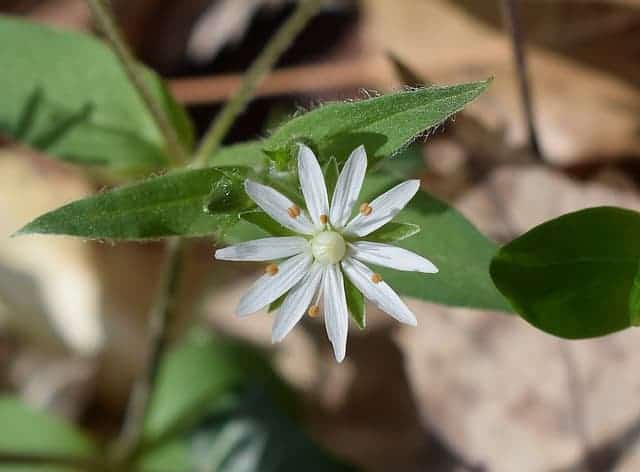
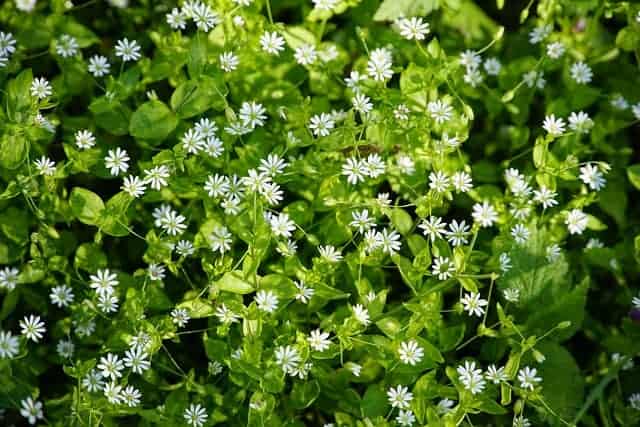
Chickweed (Stellaria media) is a low-growing annual plant that thrives in cool, moist conditions. It produces small white star-shaped flowers and has soft, slightly hairy stems with oval leaves. You will find it growing in gardens, along fences, and in shaded areas from early spring through late fall.
Rabbits are naturally drawn to chickweed for several reasons. The plant is tender and easy to chew, has a mild flavor that most rabbits find appealing, and grows close to the ground where foraging rabbits naturally feed. Wild rabbits regularly consume chickweed as part of their varied diet, and domestic rabbits seem to retain this preference.
From a nutritional standpoint, chickweed offers a decent profile for rabbits. According to botanical references, the plant contains vitamins A and C, B-complex vitamins, calcium, magnesium, potassium, iron, and zinc. It also has a high water content, which can help with hydration on warm days. That said, its fiber content is much lower than hay, which is why it should never serve as a dietary staple.
How Much Chickweed Can You Feed a Rabbit?
Portion control matters when feeding chickweed to rabbits. A good guideline is to offer a small handful (roughly the size of your rabbit's head) two to three times per week. This amount provides the nutritional benefits without displacing more important foods in your rabbit's diet.
Feeding Guidelines by Rabbit Size
| Rabbit Size | Weight Range | Chickweed Portion | Frequency |
|---|---|---|---|
| Small breeds (Netherland Dwarf, Mini Rex) | 2-4 lbs | 1 small handful (about 1/4 cup loosely packed) | 2-3 times per week |
| Medium breeds (Holland Lop, Dutch) | 4-8 lbs | 1 medium handful (about 1/2 cup loosely packed) | 2-3 times per week |
| Large breeds (Flemish Giant, French Lop) | 8-14+ lbs | 1 large handful (about 3/4 cup loosely packed) | 2-3 times per week |
If your rabbit has never eaten chickweed before, start with just a few leaves and stems. Monitor their droppings for the next 24 hours. Normal, round fecal pellets indicate that your rabbit is digesting the new food well. If you notice soft droppings or diarrhea, reduce the amount or wait a few more days before trying again.
How to Safely Prepare Chickweed for Rabbits
Proper preparation is essential to ensure the chickweed you offer is safe for your rabbit. Follow these steps every time you harvest chickweed for feeding.
Step 1: Identify Correctly
Make sure you are picking actual chickweed (Stellaria media) and not a look-alike plant. True chickweed has a single line of fine hairs running along one side of its stem, which switches sides at each leaf node. The leaves are opposite and oval-shaped with pointed tips. The small white flowers have five deeply notched petals that look like ten petals at first glance.
Do not confuse it with spotted spurge or other low-growing weeds that may be toxic. If you are unsure, use a plant identification app or consult a field guide before feeding any wild plant to your rabbit.
Step 2: Choose a Clean Source
Only collect chickweed from areas that are free from pesticides, herbicides, and chemical fertilizers. Avoid picking near roadsides where exhaust fumes deposit heavy metals, near treated lawns, or in areas where other animals frequently urinate or defecate. Your own untreated garden is usually the safest source.
Step 3: Wash Thoroughly
Rinse the chickweed under cool running water to remove dirt, insects, and any residue. Gently shake off excess water before offering it to your rabbit. Some owners prefer to soak the plants in a bowl of water for a few minutes, then rinse again. Pat dry with a clean towel or let it air dry briefly.
Step 4: Serve Fresh
Chickweed wilts quickly after being picked. Offer it to your rabbit within a few hours of harvesting for the best nutritional value and taste. Remove any uneaten chickweed from the enclosure after a few hours to prevent it from spoiling and attracting flies.
What Are the Health Benefits of Chickweed for Rabbits?
Beyond basic nutrition, chickweed offers some specific health benefits that make it a worthwhile addition to your rabbit's diet when fed in moderation.
Hydration Support
Chickweed has a high moisture content, typically around 90% water. During warmer months, offering fresh chickweed can help supplement your rabbit's water intake. This is especially useful for rabbits that are reluctant drinkers. Of course, fresh water should always be available regardless. If you suspect your rabbit is not drinking enough, learn how to tell if a rabbit is dehydrated.
Vitamin and Mineral Content
Chickweed provides meaningful amounts of several vitamins and minerals that support rabbit health:
- Vitamin A: supports healthy vision, skin, and immune function
- Vitamin C: while rabbits produce their own vitamin C, additional dietary sources support overall wellness
- Calcium: important for bone health, though excessive calcium can cause urinary issues in adult rabbits
- Iron: supports healthy blood cell production
- Potassium: helps maintain proper muscle and nerve function
Foraging Enrichment
Offering chickweed (especially on the stem) provides mental stimulation and mimics natural foraging behavior. Rabbits are built to spend hours grazing and foraging. Providing a variety of safe plants, including chickweed, clover, and dandelions, helps satisfy this instinct and reduces boredom-related behaviors like cage chewing or excessive digging.
Risks of Overfeeding Chickweed to Rabbits
While chickweed is safe in moderation, overfeeding can cause real problems. The main risks come from chickweed displacing hay in your rabbit's diet, which disrupts the delicate balance of their digestive system.
GI Stasis
Gastrointestinal stasis is one of the most dangerous conditions a rabbit can develop. It occurs when the digestive system slows down or stops completely. Because chickweed is low in the indigestible fiber that keeps a rabbit's gut moving, feeding too much of it in place of hay can trigger this life-threatening condition. Signs include a bloated abdomen, refusal to eat, small or absent droppings, and lethargy. GI stasis requires immediate veterinary attention.
Diarrhea
Introducing too much chickweed too quickly can overwhelm your rabbit's digestive system and cause diarrhea. This is particularly common when rabbits eat large quantities of any new food. True diarrhea (watery stool) in rabbits is a medical emergency, especially in young rabbits, and requires a vet visit. Slightly soft droppings are less urgent but still indicate that you should reduce the amount of chickweed being offered.
Uneaten Cecotropes
When a rabbit's diet lacks sufficient fiber from hay, they may produce soft, smelly cecotropes that they fail to consume. Cecotropes are nutrient-rich droppings that rabbits normally eat directly from their body. If you notice clusters of soft, dark, grape-like droppings in your rabbit's enclosure, it is a sign that their diet needs adjustment. Increase hay intake and reduce supplemental foods like chickweed for several weeks until droppings normalize. For more on rabbit digestive health, read about what to do if your rabbit is not pooping.
Pesticide Exposure
Perhaps the biggest real-world risk with chickweed is not the plant itself but what may be on it. Chickweed harvested from treated lawns or public spaces may carry pesticide residue that is toxic to rabbits. Always know the history of the area where you collect wild plants. When in doubt, skip it.
Can Baby Rabbits Eat Chickweed?
Baby rabbits (kits) under 12 weeks old should not eat chickweed or any fresh greens. Young rabbits have immature digestive systems that are still developing the bacterial flora needed to process fresh plant material. Introducing greens too early can cause fatal diarrhea.
From 12 weeks onward, you can begin introducing one new food at a time in very small quantities. If you want to offer chickweed to a young rabbit, start with just two or three leaves and wait 48 hours before offering more. Watch their droppings carefully during this period.
Adult rabbits over 7 months old can handle the standard portions described in the feeding table above, provided they have been gradually introduced to fresh greens.
Other Safe Wild Plants Rabbits Can Eat
If your rabbit enjoys chickweed, they will likely appreciate other safe wild plants and weeds as well. Offering a rotating variety of safe plants provides a broader range of nutrients and keeps mealtimes interesting.
Here are some commonly available wild plants that are safe for rabbits:
- Clover (Trifolium spp.): a rabbit favorite, rich in protein. Feed in moderation as it is calcium-rich. Learn more about feeding clover to rabbits.
- Dandelion (Taraxacum officinale): all parts are safe. High in vitamins A and K. Read our guide on rabbits and dandelions.
- Plantain (Plantago major): not the banana-like fruit, but the common lawn weed. Rich in fiber and safe in generous amounts.
- Nettles (Urtica dioica): must be dried first to remove the sting. High in iron and protein.
- Shepherd's purse (Capsella bursa-pastoris): a mild-tasting weed that most rabbits enjoy.
- Chamomile: calming properties and safe for rabbits in small amounts.
Plants to Avoid
Not all wild plants are safe. The following common garden and field plants are toxic to rabbits and should never be offered:
- Foxglove (Digitalis): highly toxic, can cause heart failure
- Ragwort (Senecio jacobaea): causes irreversible liver damage
- Hemlock (Conium maculatum): deadly even in small amounts
- Nightshade (Solanum spp.): toxic berries and leaves
- Buttercups (Ranunculus): contain irritant compounds when fresh
- Ivy (Hedera helix): causes digestive upset and more severe symptoms
If you are unsure whether a plant is safe, do not feed it. Stick to plants you can positively identify and that appear on verified safe-plant lists from sources like the House Rabbit Society.
Growing Chickweed at Home for Your Rabbit
If you want a reliable, pesticide-free supply of chickweed, consider growing it yourself. Chickweed is one of the easiest plants to cultivate and often grows without any effort at all.
How to Grow Chickweed
- Choose a shaded or partially shaded spot in your garden. Chickweed prefers cool conditions and does not thrive in direct, hot sunlight.
- Scatter seeds on moist soil in early spring or fall. Chickweed seeds need light to germinate, so press them gently into the surface without burying them deeply.
- Keep the soil consistently moist during germination (usually 5-7 days). After that, chickweed is fairly self-sufficient and will reseed itself throughout the growing season.
- Harvest by cutting stems about 2 inches above the soil line. This encourages regrowth and extends your harvest period.
- Let some plants flower and set seed to ensure a continued supply. Chickweed completes its life cycle quickly and can produce several generations in one season.
Growing your own chickweed ensures a clean, organic supply and saves you the worry about pesticide contamination. You can also grow it in pots or window boxes if garden space is limited.
Can Rabbits Eat Dried Chickweed?
Yes, dried chickweed is safe for rabbits and can be a convenient option during winter months when fresh plants are not available. Drying preserves most of the nutritional value while concentrating the flavors, which some rabbits prefer.
To dry chickweed at home, spread freshly harvested stems and leaves in a single layer on a clean baking sheet or drying rack. Place them in a warm, well-ventilated area away from direct sunlight. The chickweed should be fully dry and crumbly within 2-3 days. Store in an airtight container in a cool, dark place for up to 6 months.
You can also purchase dried chickweed from pet supply stores or online retailers that specialize in rabbit-safe herbs and foraging mixes. Just verify that the product contains no additives, preservatives, or other mixed-in herbs that might not be rabbit-safe.
Feed dried chickweed in smaller quantities than fresh, since the removal of water concentrates the nutrients. About half the fresh portion size is a good starting point.
Frequently Asked Questions
Is chickweed toxic to rabbits?
No, chickweed (Stellaria media) is completely non-toxic to rabbits. It is one of the safest common weeds you can offer. The only risk comes from overfeeding, which can reduce hay intake and cause digestive problems. Always offer chickweed as a supplement, not a replacement for hay.
How often can I give my rabbit chickweed?
You can offer chickweed two to three times per week in small handfuls. Rotate it with other safe greens and wild plants to provide dietary variety. Always ensure your rabbit is eating plenty of hay alongside any supplemental greens or foraged plants.
Can I feed chickweed from my garden to my rabbit?
Yes, garden-grown chickweed is ideal because you can control what chemicals are used in your garden. Only harvest from areas that have not been treated with pesticides, herbicides, or synthetic fertilizers. Rinse thoroughly before serving to remove dirt and insects.
What does chickweed look like?
Chickweed is a low-growing plant with small oval leaves arranged in opposite pairs along thin stems. It produces tiny white flowers with five deeply notched petals. A key identifying feature is a single line of fine hairs that runs along one side of the stem, alternating sides at each leaf node.
Can rabbits eat mouse-ear chickweed?
Mouse-ear chickweed (Cerastium fontanum) is a close relative of common chickweed and is also safe for rabbits. It has slightly fuzzier leaves and a similar growth habit. The same feeding guidelines apply: offer in moderation alongside a hay-based diet.
Cite this article:
Cite this article:
BunnySync (March 12, 2026) Can Rabbits Eat Chickweed? Safe Feeding Guide for Rabbit Owners. Retrieved from https://bunnysync.com/blog/can-rabbits-eat-chickweed.
"Can Rabbits Eat Chickweed? Safe Feeding Guide for Rabbit Owners." BunnySync - March 12, 2026, https://bunnysync.com/blog/can-rabbits-eat-chickweed