Diet Portion Calculator for Rabbits
Calculate the proper amount of hay, vegetables, pellets, and treats to feed your rabbit based on their age and weight. Get personalized feeding recommendations for optimal rabbit nutrition.
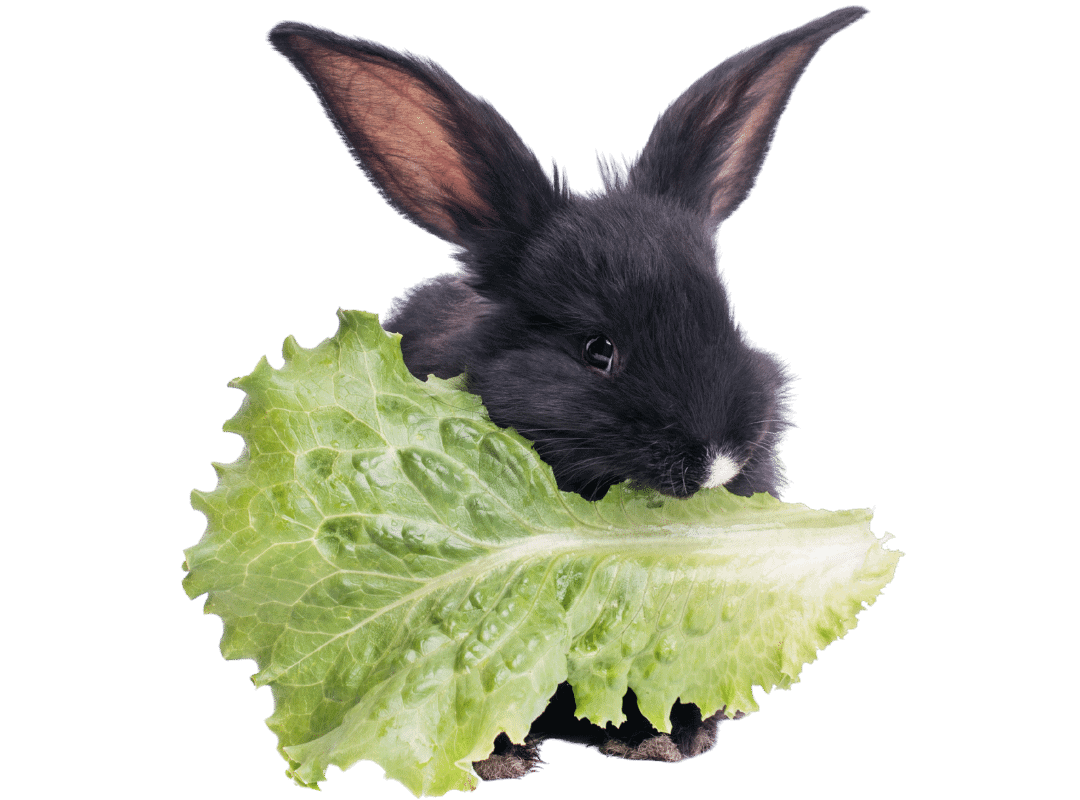
Calculate the proper amount of hay, vegetables, pellets, and treats to feed your rabbit based on their age and weight. Get personalized feeding recommendations for optimal rabbit nutrition.
Bunnies less than 6 weeks old should still be nursing.
This is only an estimate. Many circumstances can change this formula. For example, rabbits that are pregnant or lactating would need to eat more. Rabbits with digestive issues need to eat according to your veterinarian's advice. Always consult your veterinarian for proper diet portions for your rabbits.
Timothy, Orchard, Meadow, or Oat hay should be available 24/7. Alfalfa only for young rabbits under 7 months.
Fresh leafy greens like romaine lettuce, cilantro, parsley. Introduce one at a time after 12 weeks old.
High-fiber, timothy-based pellets. Unlimited for young rabbits, controlled portions for adults.
Fresh fruits like apple, banana, berries. Maximum 1-2 tablespoons, 1-2 times per week only.
Fresh, clean water should always be available. A rabbit drinks approximately 50-150ml per kg of body weight daily.
Starting at 7 weeks, rabbits can start eating solid foods like pellets and hay.
Wait until 12 weeks old before giving vegetables.
Feed your rabbits high-quality alfalfa hay and pellets.
You can let your rabbits decide how much pellets and hay they want to eat during this time period to maximize growth.
When feeding veggies at 12 weeks, start SLOWLY and ONE vegetable at a time to ensure your rabbits won't develop digestive problems.
Starting at 7 months, you can start changing your rabbit's diet SLOWLY.
Introduce grass hay while slowly decreasing alfalfa hay.
Increase the amount of vegetables from 15 grams per day up to 128 grams per day, gradually.
Pellets should be decreased from unlimited amounts to 1/2 cup per 6 lbs (2.7 kg) of body weight.
Treats should be given 1-2 times per week in small amounts.
You can choose between grass, oats, or straw hay to feed your rabbits.
Let them decide how much hay they want to eat. Just make sure it's not alfalfa because it's too high in calcium.
Pellets should be controlled to 1/2 cup per 6 lbs (2.7 kg) of body weight.
Vegetables should be fed 1-2 cups per 6 lbs (2.7 kg) of body weight.
Treats should be kept to a minimum of 1-2 times per week in small amounts.
Alfalfa hay can be fed to old rabbits if they are frail and weak. The extra calcium in alfalfa can help.
A safer move is to bring your rabbit to a veterinarian and let them decide your rabbit's diet.
Old rabbits need to be monitored closely.
Continue adult diet if weight is okay; frail, older rabbits may be fed unlimited pellets.
All of the things written above assume that your rabbit is healthy and normal. The portions of their diet would change depending on the situation. For example, pregnant rabbits would need to eat more. Always consult your veterinarian.
This rabbit diet portion calculator gives you exact feeding amounts based on your rabbit's weight and age. Enter the weight in kilograms, pounds, ounces, or grams, then select the age in weeks, months, or years. The calculator instantly shows how much hay, vegetables, pellets, and treats to feed daily, along with a visual portion breakdown chart.
The formula adjusts automatically for each life stage. Young rabbits get unlimited alfalfa hay and pellets for growth. Teenage rabbits (7 months to 1 year) transition gradually to grass hay with controlled pellet portions. Adults get measured amounts of everything. Senior rabbits may need dietary adjustments based on body condition.
A healthy adult rabbit diet follows a simple ratio that every breeder and pet owner should memorize: 80% hay, 10% vegetables, 9% pellets, 1% treats. This ratio keeps the digestive system functioning properly because rabbits are hindgut fermenters that depend on fiber to survive.
| Food Type | % of Diet | Daily Amount (per 6 lbs / 2.7 kg) | Why It Matters |
|---|---|---|---|
| Hay | 80-85% | Unlimited (body-size pile daily) | Fiber for gut motility, tooth wear, mental stimulation |
| Vegetables | 10% | 1-2 cups leafy greens | Hydration, vitamins, dietary variety |
| Pellets | 5-9% | 1/4 to 1/2 cup | Concentrated nutrition, vitamins, minerals |
| Treats | 1-2% | 1-2 tbsp fruit, 1-2x per week | Bonding, enrichment only |
The most common mistake we see is overfeeding pellets and underfeeding hay. Pellets are convenient, but a rabbit that fills up on pellets will eat less hay. Less hay means less fiber, which leads to GI stasis, the leading cause of death in pet rabbits. If your rabbit is not eating enough hay, reduce pellets first.
Not all hay is created equal. The type of hay you choose depends on your rabbit's age, health status, and preferences. Here is how the most common types compare:
| Hay Type | Fiber | Protein | Calcium | Best For |
|---|---|---|---|---|
| Timothy (2nd cut) | High | Moderate | Low | Adults (the gold standard) |
| Orchard Grass | High | Moderate | Low | Adults, rabbits with timothy allergies |
| Oat Hay | High | Low | Low | Mixing with timothy for variety |
| Meadow Hay | Moderate-High | Moderate | Varies | Foraging enrichment (mixed grasses) |
| Alfalfa Hay | Moderate | High | High | Kits under 7 months, pregnant/nursing does, underweight rabbits |
First cut is coarse and stemmy with the highest fiber content. Some rabbits find it less palatable. Second cut is the most popular: a good balance of fiber and leaf with a softer texture. Third cut is soft, leafy, and lower in fiber. It works well as an introduction for picky eaters, but should not be the only hay offered because fiber content is lower.
Vegetables provide hydration, vitamins, and variety to your rabbit's diet. Feed 1 to 2 cups of mixed leafy greens per 6 pounds of body weight daily. Rotate between at least 3 different vegetables to ensure balanced nutrition.
High water content, low calories. A staple green for most rabbits. Avoid iceberg lettuce, which has almost no nutritional value and can cause diarrhea.
Most rabbits love cilantro. Rich in vitamins A and K. Safe to feed daily in generous amounts alongside other greens.
Excellent calcium-to-phosphorus ratio. High in vitamin C. Both the leaves and stalks are safe for rabbits.
The greens attached to carrots are more nutritious than the carrot itself. Low in sugar, high in vitamin A. Feed freely.
These vegetables are safe but contain oxalic acid. Rotate them so your rabbit does not eat the same high-oxalate green every day. Too much oxalate over time can contribute to bladder sludge.
Not all rabbit pellets are equal. The best pellets are plain, timothy-based, and free of added seeds, corn, or colorful pieces. Those "gourmet" mixes with dried fruit and seeds encourage selective eating and cause obesity.
| Nutrient | Ideal Range (Adults) | Why |
|---|---|---|
| Fiber | 18% minimum (22%+ preferred) | Supports gut motility and cecal fermentation |
| Protein | 12-14% | Sufficient for maintenance without excess |
| Fat | 1-3% | Low fat prevents obesity |
| Calcium | 0.5-0.8% | Prevents bladder sludge in adults |
Young rabbits under 7 months should eat alfalfa-based pellets with higher protein (16%+) and calcium to support rapid growth. After 7 months, transition to timothy-based pellets over 2 to 3 weeks by mixing the two.
We see these mistakes repeatedly in both new pet owners and beginning breeders. Each one can lead to serious health problems over time.
The number one mistake. Rabbits that fill up on pellets eat less hay, which leads to GI stasis and dental overgrowth. Pellets should be a supplement, not the main course. Measure them with a cup, not a scoop.
Fruit is high in sugar. Daily fruit treats cause obesity, soft cecotropes, and disrupted gut flora. Stick to 1 to 2 tablespoons of fruit, no more than twice per week.
Adding multiple new vegetables at once overwhelms a rabbit's digestive system. Introduce one new vegetable at a time, wait 48 hours, and watch for soft stools before adding another.
Adult rabbits on alfalfa develop bladder sludge from excess calcium. Young rabbits on timothy miss out on the protein and calories they need for growth. Match the hay type to the life stage.
Hay should be unlimited and available 24/7. A good rule of thumb is to provide a pile of hay roughly the size of your rabbit's body every day. If the hay rack is empty at any point, you are not offering enough. Timothy, orchard, and oat hay are all suitable for adults.
Adult rabbits need 1/4 to 1/2 cup of timothy-based pellets per 6 pounds (2.7 kg) of body weight daily. That is roughly 8 to 17 grams per kilogram. Measure with an actual measuring cup rather than eyeballing it. Overweight rabbits should get the lower end of this range.
Romaine lettuce, cilantro, basil, bok choy, and carrot tops are safe daily staples. Feed 1 to 2 cups of mixed leafy greens per 6 pounds of body weight. Rotate higher-oxalate greens like parsley, spinach, and kale so they are not eaten every day.
Begin transitioning at 7 months old by mixing timothy hay into the alfalfa. Increase the timothy ratio gradually over 2 to 3 weeks. By 12 months, your rabbit should be eating only grass hay. The same applies to pellets: switch from alfalfa-based to timothy-based during this transition period.
No. Fruit and other treats should be limited to 1 to 2 tablespoons, given only once or twice per week. Daily treats cause obesity, disrupt gut bacteria, and lead to soft cecotropes. Safe treat options include apple (no seeds), banana, blueberries, and strawberries in small pieces.
Rabbits drink 50 to 150 ml of water per kilogram of body weight daily. A 2 kg (4.4 lb) rabbit may drink 100 to 300 ml per day. Fresh water should always be available in a bowl or bottle. Water intake increases during hot weather, lactation, and when the diet is mostly dry hay.