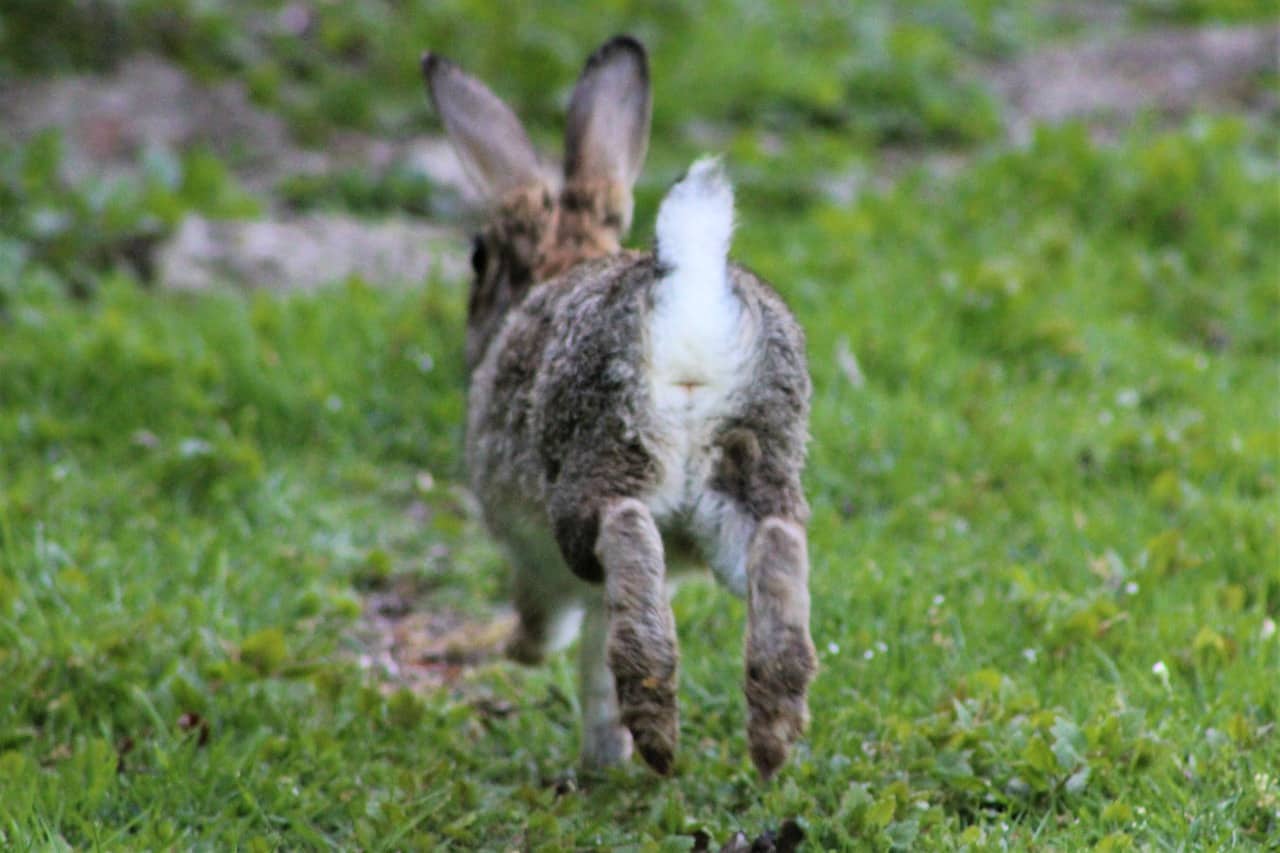
Rabbits dig holes then fill them in primarily to protect their newborn kits from predators. A pregnant doe will excavate a shallow nesting burrow, line it with fur and grass, give birth inside, and then cover the entrance with dirt and debris each time she leaves. This concealment strategy hides the kits' scent and keeps the nest invisible to foxes, hawks, and other threats. Wild rabbits also dig holes for general shelter, temperature regulation, and food storage, but the "dig and fill" behavior is almost always connected to a mother rabbit safeguarding her young.
Understanding this instinct helps both wild rabbit observers and pet rabbit owners recognize what their rabbits are communicating. Below, we break down every reason rabbits dig holes, why they fill them back in, and what it means when your pet rabbit starts digging in their cage or on your lap.
Why Do Rabbits Dig Holes?
Digging is one of the most deeply rooted instincts in a rabbit's behavioral repertoire. Wild European rabbits (Oryctolagus cuniculus) are the ancestors of all domestic breeds, and they are among the few lagomorphs that build extensive underground tunnel systems called warrens. Even domesticated rabbits retain this instinct, which is why you will see pet rabbits scratch at carpets, cage floors, and garden beds.
Here are the primary reasons rabbits dig holes.
To Build Underground Warrens for Shelter
Wild rabbits live in warrens, which are complex networks of interconnected tunnels and chambers dug into hillsides, embankments, and flat ground. A single warren can extend over 10 meters in length and include multiple entrances, escape routes, and nesting chambers. According to the RSPCA, wild rabbits spend the majority of their time underground, emerging mainly at dawn and dusk to forage.
These warrens serve as the rabbit colony's permanent home base. Young rabbits born in a warren will often expand it as the colony grows, digging new chambers and tunnels over generations. Some warrens in Europe have been documented in continuous use for decades.
To Escape and Hide From Predators

Rabbits sit near the bottom of the food chain. Foxes, hawks, owls, snakes, weasels, and domestic cats all prey on rabbits. Their primary survival strategies are speed and underground hiding. When a rabbit spots a predator, it bolts toward the nearest burrow entrance and disappears underground where most predators cannot follow.
This is why wild rabbits rarely stray far from their warren entrances while foraging. They always keep an escape route within sprinting distance. Cottontail rabbits in North America, which do not build warrens, instead use shallow scrapes under bushes and brush piles for similar protection.
To Regulate Body Temperature
Underground burrows provide natural insulation that keeps rabbits comfortable in both summer heat and winter cold. Soil temperature a few feet below the surface stays relatively stable year-round, typically between 10 and 15 degrees Celsius (50 to 59 degrees Fahrenheit) regardless of what is happening above ground.
In winter, rabbits dig deeper burrows to stay warm. In summer, the underground chambers stay cool even when surface temperatures climb past 30 degrees Celsius (86 degrees Fahrenheit). Since rabbits are extremely sensitive to heat and cannot sweat, this underground refuge can be lifesaving during heat waves.
Why Do Rabbits Fill Their Holes Back In?
While rabbits dig holes for many reasons, the specific behavior of filling a hole back in after digging it serves a distinct purpose. This is not random behavior. It is a calculated survival tactic, and it almost always relates to protecting something valuable inside the hole.
To Protect Newborn Kits From Predators
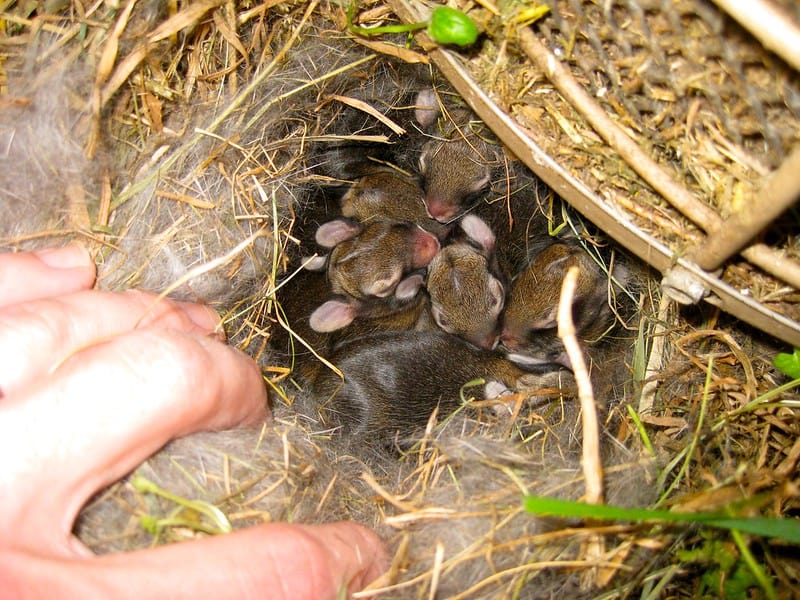
This is the most common reason rabbits fill their holes. A mother rabbit (doe) digs a shallow nest, usually 4 to 6 inches deep and about 5 inches wide, separate from the main warren. She lines it with dry grass, leaves, and fur she pulls from her own chest and belly. After giving birth, she nurses her newborn kits briefly and then covers the entire nest entrance with dirt, leaves, and more fur.
She does this every single time she leaves the nest. Mother rabbits only visit their kits once or twice per day, usually at dawn and dusk, to avoid drawing predator attention to the nest location. Each visit lasts only about 5 minutes for nursing. Then she covers the nest again and moves away.
This strategy works remarkably well. The filled-in nest looks like undisturbed ground to most predators. The fur layer traps the kits' body heat inside and blocks their scent from escaping. Newborn rabbits are born hairless and blind, so they cannot regulate their own temperature or escape danger. The covered nest is their only protection for the first 10 to 14 days of life.
To Conceal Entry Points From Predators
Some rabbits, particularly solitary does preparing to give birth, will partially fill or camouflage secondary burrow entrances to reduce the chance of a predator discovering and entering the tunnel system. By narrowing or covering side entrances, the doe limits access points that a weasel or snake could use to reach her kits.
This is different from the nesting behavior described above. Warren rabbits with established tunnel systems may plug certain entrances seasonally or when they detect increased predator activity in the area.
To Hide Food and Resources
While less common than nesting behavior, some rabbits will bury and cover food items, particularly during seasons when food is scarce. This caching behavior is more common in wild rabbits living in harsh environments where winter food supplies are unreliable. The rabbit digs a small hole, pushes food into it, and covers it with loose soil to retrieve later.
How Mother Rabbits Use Nesting Behavior Before and After Birth
The nesting timeline follows a predictable pattern that breeders and wildlife observers can track.
1 to 2 weeks before birth: The pregnant doe begins scouting nest locations. She may dig several test holes before settling on a final site. She becomes more territorial and may chase other rabbits away from her chosen area.
3 to 5 days before birth: Serious nest construction begins. The doe digs the full nesting burrow and starts gathering dried grass and hay to line the bottom. She also begins pulling fur from her dewlap (the fold of skin under her chin) and her belly. This fur serves double duty: it lines the nest for warmth, and it exposes her nipples for easier nursing.
Day of birth (kindling): The doe gives birth inside the nest, typically in the early morning hours. Litter sizes range from 1 to 14 kits depending on the breed and species, with 4 to 8 being most common. She nurses the kits immediately, then covers the nest and leaves.
Days 1 through 14: The doe visits the nest once or twice daily. She uncovers the nest, nurses for about 5 minutes, and covers it again. She spends the rest of her time foraging away from the nest to avoid leading predators to it.
Days 14 through 21: The kits begin opening their eyes and growing fur. They start venturing out of the nest on their own. The mother gradually stops covering the nest as the kits become mobile enough to escape danger.
If you discover what appears to be an abandoned rabbit nest in your yard, it is almost certainly not abandoned. The mother is likely nearby and visiting on schedule. The best course of action is to leave the nest undisturbed.
Why Do Pet Rabbits Dig in Their Cages?

Even though pet rabbits do not need to dig for survival, the instinct remains strong across all domestic breeds. When your rabbit scratches at the cage floor, digs at blankets, or tries to burrow into corners, they are expressing deeply wired behaviors. Here is what each variation typically means.
Your Rabbit May Be Pregnant
If your female rabbit suddenly starts digging frantically at her cage floor, pulling fur from her chest, and gathering bedding material into a pile, these are classic signs that she is pregnant or approaching labor. This nesting behavior usually appears 1 to 3 days before kindling.
When you notice these signs, provide a nesting box immediately. A wooden box approximately 18 inches long, 10 inches wide, and 10 inches tall works for most medium breeds. Fill it with clean hay and place it in a quiet corner of the cage. The doe will arrange the materials herself.
Your Rabbit Is Bored or Frustrated
Rabbits that dig obsessively at cage corners, chew cage bars, and pace back and forth are often bored, frustrated, or confined in a space that is too small. Rabbits are active, curious animals that need several hours of exercise and mental stimulation each day.
The minimum recommended cage size for a single rabbit is 4 times the rabbit's body length, but bigger is always better. Beyond cage size, rabbits need daily out-of-cage time, toys to interact with, and items to chew. If your rabbit is also chewing their cage bars, that is a strong signal that they need more space and enrichment.
You can redirect digging behavior by providing a "dig box," a shallow storage bin filled with shredded paper, hay, or child-safe sand. This gives your rabbit an appropriate outlet for their digging instinct without destroying your carpet or cage liner.
Hormonal Behavior in Unneutered Rabbits
Unneutered rabbits of both sexes often show increased digging behavior after reaching sexual maturity, which occurs between 3 and 6 months of age depending on the breed. This digging is driven by hormones and is frequently accompanied by other behaviors like territorial marking (spraying urine), mounting, and aggression.
Spaying or neutering your rabbit before sexual maturity significantly reduces hormonally driven digging. It also prevents reproductive cancers, which affect up to 80% of unspayed female rabbits over the age of 4, according to the House Rabbit Society.
Your Rabbit Is Digging on You
If your rabbit digs at your clothes or on your lap, this is usually a different behavior from cage digging. It can mean your rabbit wants your attention, is trying to rearrange their environment (including you), or is marking you with scent glands in their paws. It is rarely a sign of aggression.
Should You Stop Your Rabbit From Digging?
The short answer is no, you should not try to eliminate digging entirely. It is a natural, healthy behavior that provides mental stimulation and physical exercise. Trying to suppress it completely can lead to increased stress and alternative destructive behaviors.
Instead, manage digging by providing appropriate outlets:
- Dig boxes: Fill a shallow bin with shredded paper, hay, or organic soil. Place it where your rabbit likes to dig.
- Outdoor enclosures: If you have a garden, a secure outdoor run with natural ground allows your rabbit to dig freely while staying safe.
- Cage enrichment: Rotate toys weekly, provide tunnels and hiding spots, and offer foraging activities like scattering pellets in hay.
- Exercise time: Give your rabbit at least 3 to 4 hours of free-roaming time outside the cage daily.
The only time you should actively intervene is if your rabbit is digging at something dangerous (electrical cords, toxic materials) or if the digging is clearly stress-related, such as being paired with constant bar chewing, aggression, or self-harm.
How to Stop Wild Rabbits From Digging Holes in Your Yard
If wild rabbits are turning your lawn into a minefield of holes, you have several effective deterrent options. The goal is to make your yard less appealing as a nesting and foraging site without harming the rabbits.
Get a Dog
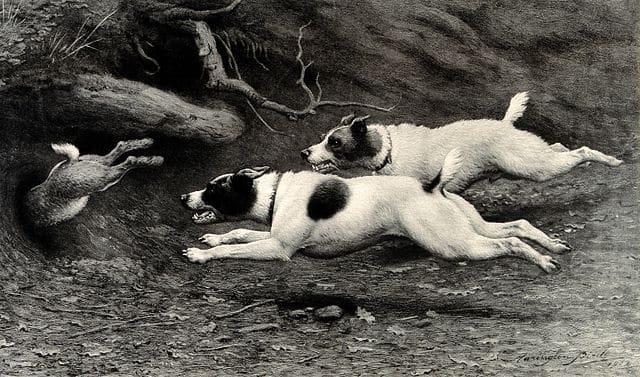
A dog is one of the most effective long-term rabbit deterrents. Dogs naturally chase rabbits and mark their territory with urine throughout the yard. Wild rabbits instinctively avoid areas where they detect predator scent, so even a small dog that rarely catches anything will keep rabbits from settling in.
The dog's regular presence and scent marking creates a "predator zone" that wild rabbits learn to avoid. This effect persists even when the dog is inside, as the scent remains active for hours.
Plant Rabbit-Repellent Plants
Rabbits have extremely sensitive noses and will avoid areas with strong, pungent plant odors. Planting these species around the perimeter of your yard or garden beds creates a natural barrier:
- Garlic and onions: Strong allium scent repels rabbits effectively
- Lavender: Pleasant for humans, overwhelming for rabbits
- Marigolds: Their sharp scent deters rabbits and many other garden pests
- Rosemary and sage: Aromatic herbs that rabbits consistently avoid
Interplanting these among your ornamental flowers and vegetables provides both a deterrent effect and useful herbs for your kitchen.
Use Predator Decoy Statues

Realistic predator statues can scare wild rabbits away from your property. Owl and hawk decoys are the most effective because these are among a rabbit's most feared predators. For best results, move the decoys to different positions every few days. Rabbits are intelligent enough to eventually recognize a stationary decoy as harmless.
Some newer decoy models include solar-powered heads that rotate or eyes that reflect light, which extends their effectiveness.
Apply Natural Repellents
Sprinkling natural repellents around your yard creates an unpleasant sensory experience for rabbits without harming them or your plants:
- Chili powder or cayenne pepper: Irritates rabbits' sensitive noses on contact
- Blood meal: Available at garden centers, this nitrogen-rich fertilizer smells like a predator to rabbits
- Vinegar-soaked rags: Placed near burrow entrances, the sharp acid smell drives rabbits away
- Human hair clippings: Scattered around the garden perimeter, these carry human scent that wild rabbits find threatening
Reapply these after rain, as water washes away the scent. A combination of two or three methods works better than any single approach.
Install Physical Barriers
For the most reliable protection, install chicken wire or hardware cloth fencing around vulnerable areas. Bury the bottom edge at least 6 to 10 inches underground to prevent rabbits from digging beneath it. The fence should stand at least 2 feet above ground, as most wild rabbits will not jump higher than that.
For individual garden beds, laying chicken wire flat on the soil surface also works. Rabbits dislike the feeling of wire on their paws and will avoid digging through it.
Rabbit Digging Behavior at a Glance
| Behavior | Most Likely Cause | What to Do |
|---|---|---|
| Wild rabbit digs hole, fills it in | Nesting, protecting kits | Leave the nest undisturbed |
| Pet rabbit digs cage floor frantically | Pregnancy or nesting instinct | Provide a nesting box |
| Pet rabbit digs at carpet or blankets | Boredom, natural instinct | Offer a dig box, more exercise |
| Pet rabbit digs and sprays urine | Hormonal (unneutered) | Spay or neuter |
| Pet rabbit digs on your lap or clothes | Attention-seeking, scent marking | Redirect gently, no punishment |
| Wild rabbits dig multiple holes in yard | Warren construction, foraging | Use deterrents listed above |
Frequently Asked Questions
Do rabbits always fill in their holes?
No. Rabbits only fill in holes when they need to conceal something, usually a nest with newborn kits inside. Warren entrance holes and regular burrows are left open so the rabbits can enter and exit quickly when fleeing from predators.
How deep do rabbits dig their nesting holes?
Rabbit nesting holes are typically 4 to 6 inches deep and about 5 inches wide. They are shallower than warren tunnels, which can extend 1 to 2 feet below the surface. The nest is lined with dried grass and the mother's fur to insulate the kits.
What should I do if I find a covered rabbit nest in my yard?
Leave it alone. The mother rabbit is almost certainly nearby and returns to nurse once or twice per day at dawn and dusk. Disturbing the nest can cause the mother to abandon it. If you must mow nearby, leave a 3-foot buffer zone around the nest for 3 to 4 weeks until the kits leave on their own.
Why does my pet rabbit dig at the cage floor at night?
Rabbits are crepuscular, meaning they are most active at dawn and dusk. Nighttime digging usually indicates boredom or excess energy. Ensure your rabbit gets adequate exercise time before being confined for the night, and provide hay and chew toys to keep them occupied.
Can I train my rabbit to stop digging completely?
You cannot and should not eliminate digging behavior entirely. It is a core natural instinct that provides mental and physical stimulation. Instead, redirect the behavior to appropriate surfaces like dig boxes filled with shredded paper or hay. Punishing a rabbit for digging causes stress and damages your bond.
Cite this article:
Cite this article:
BunnySync (February 25, 2026) Why Do Rabbits Dig Holes Then Fill Them In?. Retrieved from https://bunnysync.com/blog/why-do-rabbits-dig-holes-then-fill-them-in.
"Why Do Rabbits Dig Holes Then Fill Them In?." BunnySync - February 25, 2026, https://bunnysync.com/blog/why-do-rabbits-dig-holes-then-fill-them-in