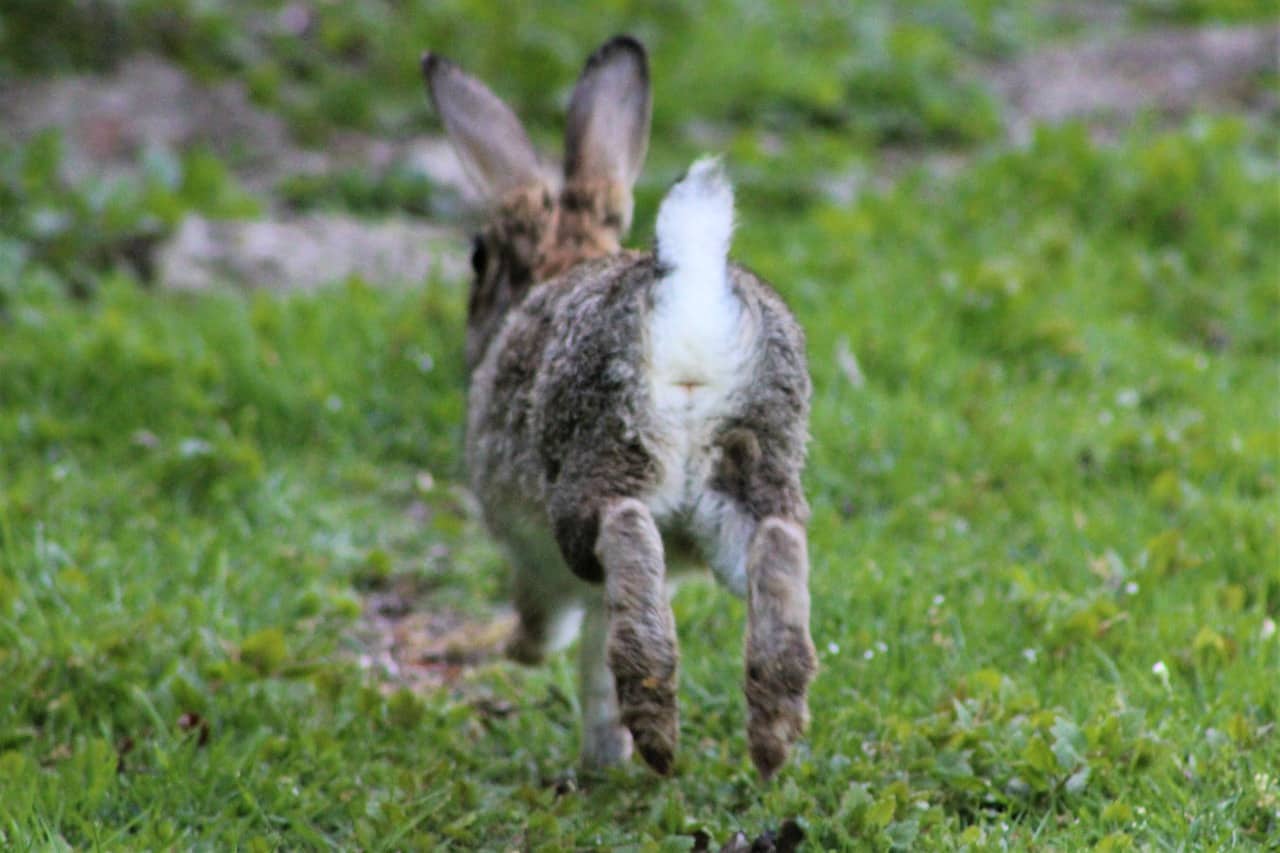
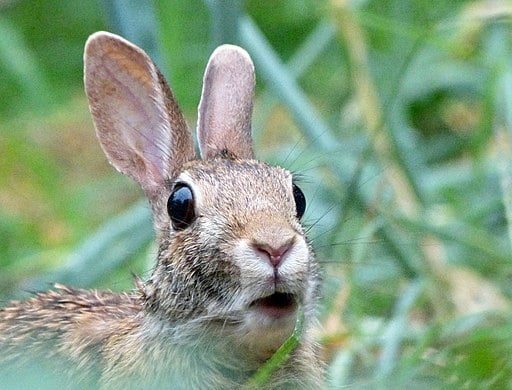
Rabbits sleep for roughly 8 to 11 hours per day, but they do not sleep in one long stretch like humans. Instead, they take multiple short naps throughout the day and night, staying alert between each rest period. As crepuscular animals, rabbits are most active during dawn and dusk, which means the bulk of their sleep happens during the middle of the day and late at night.
Understanding your rabbit's sleep patterns is essential for creating a healthy environment. If you know when and how your rabbit sleeps, you can avoid disturbing their rest and spot potential health problems early. In this guide, we cover everything from how to tell if a rabbit is sleeping to the best ways to support healthy sleep habits.
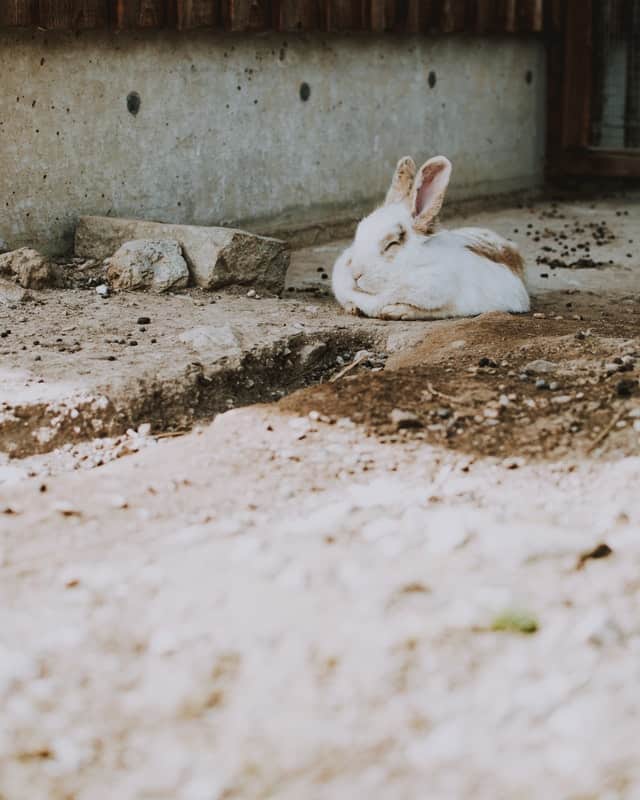
How Long Do Rabbits Sleep Each Day?
Research published in Neuroscience & Biobehavioral Reviews found that rabbits accumulate between 8.4 and 11.4 hours of sleep in a 24-hour period. That range is comparable to the 7 to 9 hours recommended for adult humans, but how that sleep is distributed looks completely different.
Rabbits are polyphasic sleepers. Rather than sleeping in one continuous block, they cycle through dozens of short sleep episodes lasting anywhere from a few minutes to about 25 minutes each. Between these naps, they wake, check their surroundings for danger, nibble on hay, and then settle back down.
Here is a general breakdown of a rabbit's 24-hour cycle:
| Time of Day | Activity Level | Sleep Behavior |
|---|---|---|
| Early morning (5-8 AM) | High | Minimal sleep, peak activity |
| Mid-morning (8-11 AM) | Moderate | Light napping begins |
| Midday (11 AM - 3 PM) | Low | Deepest and longest sleep period |
| Afternoon (3-6 PM) | Moderate | Transitioning to wakefulness |
| Evening (6-9 PM) | High | Minimal sleep, peak activity |
| Night (9 PM - 5 AM) | Low to moderate | Intermittent napping |
Keep in mind that these are averages. Individual rabbits may shift their schedules slightly depending on their household routine, lighting, and comfort level.
What Does Crepuscular Mean for Rabbit Sleep?
Rabbits are crepuscular, which means they are naturally most active at dawn and dusk. This is different from nocturnal animals (active at night) and diurnal animals (active during the day). The crepuscular pattern evolved as a survival strategy: by being active during low-light periods, wild rabbits could forage while avoiding both daytime predators like hawks and nighttime predators like owls.
For pet owners, this explains why your rabbit seems to come alive when you are waking up in the morning and winding down in the evening. During midday hours, do not be surprised if your rabbit appears sluggish or unresponsive. They are likely catching up on their deepest sleep.
This crepuscular rhythm also means that rabbits are not truly "night animals." If you are wondering whether to cover your rabbit's cage at night, know that they do still wake periodically after dark to eat and move around.
How Long Do Wild Rabbits Sleep?
Wild rabbits generally sleep the same 8 to 11 hours as their domestic counterparts, but the quality and depth of their sleep varies significantly based on their environment. A wild rabbit sleeping in an underground burrow surrounded by its colony will rest more deeply and for longer stretches than one resting in an exposed meadow.
Underground burrows provide darkness, stable temperatures, and protection from predators. These conditions allow wild rabbits to enter deeper sleep stages. In open environments, wild rabbits rely on the "loaf position," where they tuck their legs beneath their body and keep their ears upright. This posture lets them spring into a sprint at the first sign of danger, even while dozing.
Wild rabbits also sleep with their eyes partially or fully open. This behavior, known as paradoxical wakefulness, allows them to detect movement even during rest. You can learn more about this adaptation in our article on whether rabbits sleep with their eyes open.
Seasonal Differences in Wild Rabbit Sleep
During longer summer days, wild rabbits have extended dawn and dusk periods, which can shift their sleep schedule. They may nap more during the hot midday hours and stay active later into the evening. In winter, shorter daylight hours compress their active periods, and they may sleep slightly more overall to conserve energy.
How Long Do Pet Rabbits Sleep?
Pet rabbits generally fall within the same 8 to 11 hour range, but domestic rabbits that feel safe in their environment tend to sleep more deeply and may even reach the higher end of that range. A well-adjusted pet rabbit will cycle between light napping, deep sleep, and REM sleep throughout the day.
The key difference between wild and pet rabbit sleep is comfort. A pet rabbit that trusts its owner and feels secure in its living space will exhibit relaxed sleeping positions like flopping on their side or stretching out completely. In contrast, a newly adopted rabbit or one in an unfamiliar environment will sleep lightly and stay in the loaf position.
You can gauge how comfortable your rabbit feels by observing their sleep behavior. A rabbit that sleeps deeply and for extended periods is generally a content, healthy rabbit. If your rabbit suddenly changes its sleep pattern, that could signal stress, illness, or environmental changes worth investigating.
What Are Common Rabbit Sleeping Positions?
Rabbit sleeping positions reveal a lot about how safe and comfortable they feel. Here are the most common positions you will see:
The Loaf
The rabbit tucks all four legs beneath its body, resembling a loaf of bread. The ears stay upright or slightly relaxed. This is the most cautious sleeping position and the one wild rabbits use most often. Pet rabbits also adopt this position when they are still getting used to their surroundings or when they want a light nap.
The Flop
A flopping rabbit drops onto its side suddenly, sometimes so dramatically that new owners think something is wrong. This is actually a sign of extreme comfort and trust. When a rabbit flops, it means they feel completely safe. They may sleep with their eyes closed and their legs stretched out.
The Sprawl
Similar to the flop, the rabbit stretches out fully with their hind legs extended behind them and their front paws forward. Some rabbits sleep in this position with their chin resting on the ground. This is another sign of a relaxed, happy rabbit.
The Rug
Some rabbits lie completely flat on their belly with all four legs extended outward, looking like a small furry rug. This position typically only appears in rabbits that are extremely bonded with their owner and completely at ease in their environment.
Do All Rabbit Breeds Sleep the Same Amount?
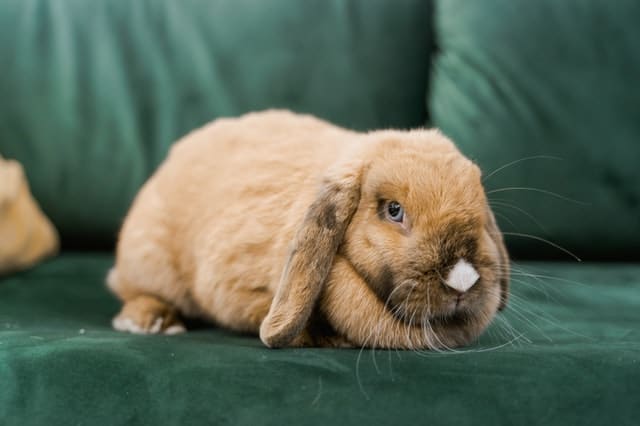
Yes, the total sleep time of 8 to 11 hours per day is consistent across all domestic rabbit breeds. Whether you have a Netherland Dwarf, a Flemish Giant, a Holland Lop, or a Rex, the fundamental crepuscular rhythm and polyphasic sleep pattern remains the same.
That said, there are subtle differences in how breeds express their sleep habits:
- Larger breeds like Flemish Giants tend to be calmer and may appear to sleep more simply because they are less active during waking hours.
- Smaller breeds like Netherland Dwarfs and Mini Rex can be more energetic and may seem to sleep less, though their total sleep time is similar.
- Lop breeds often appear drowsy because their drooping ears can make them look sleepy even when they are awake.
The biggest factors affecting how much any individual rabbit sleeps are health, stress levels, age, and environmental comfort, not breed.
What Affects How Much Sleep a Rabbit Gets?
Several factors can increase or decrease the amount of quality sleep your rabbit gets each day.
Stress and Environment
A rabbit that feels threatened or anxious will sleep less and lighter. Common stressors include loud noises, unfamiliar people, other pets (especially dogs and cats), strong smells, and sudden changes in their living space. If you notice your rabbit seems restless, check for signs of stress in rabbits and address the source.
In severe cases, chronic stress can even lead to fatal outcomes. Rabbits have been known to die from fright when exposed to extreme sudden stress, such as a barking dog lunging at their enclosure.
Health and Pain
Sick or injured rabbits often sleep less because pain keeps them alert. Dental problems, GI stasis, ear infections, and arthritis can all disrupt sleep. On the flip side, a rabbit that is sleeping significantly more than usual may be lethargic from illness rather than simply resting. If your rabbit's sleep patterns change suddenly in either direction, a veterinary checkup is warranted.
Light Exposure
Rabbits rely on natural light cycles to regulate their circadian rhythm. A rabbit kept in a room with no windows or constant artificial light may become confused about when to sleep and when to be active. Provide your rabbit with access to natural daylight (or at least a consistent light-dark cycle) so their internal clock can function properly.
Age
Baby rabbits (kits) sleep more than adults, similar to how human infants need more sleep. As rabbits age, senior rabbits may also sleep more due to lower energy levels and potential joint discomfort. A middle-aged rabbit in good health will typically be at the lower end of the 8 to 11 hour range.
Bonding and Companionship
Rabbits that are bonded with a partner often sleep better and more deeply. They take turns keeping watch, which allows each rabbit to relax more fully during sleep. Single rabbits may sleep lighter because they have no companion to share sentry duty with.
Should You Wake a Sleeping Rabbit?
As a general rule, no. Rabbits need their rest just as much as humans do, and repeatedly waking a sleeping rabbit can cause chronic stress. If you need to interact with your rabbit, try to schedule playtime, feeding, and handling during their natural active periods: early morning and early evening.
If you must wake your rabbit (for medication, a vet visit, or an emergency), do so gently. Speak softly and let them see and smell you before picking them up. Startling a sleeping rabbit can cause a panic response, and a panicked rabbit may kick hard enough to injure its own spine.
How to Help Your Rabbit Sleep Better
Creating an ideal sleep environment will help your rabbit get the rest it needs. Here are practical steps you can take:
- Provide a quiet resting area. Place your rabbit's enclosure in a room away from loud TVs, barking dogs, and heavy foot traffic. A calm environment promotes deeper sleep.
- Offer hiding spots. Rabbits feel safer when they have a covered area to retreat to. A wooden hidey house, a cardboard box with an entrance hole, or a tunnel all work well. Learn more in our guide on where rabbits prefer to sleep.
- Maintain a consistent light cycle. Keep your rabbit in a room that gets natural daylight during the day and darkness at night. Avoid leaving bright lights on 24/7.
- Keep the temperature comfortable. Rabbits sleep best at temperatures between 60 and 70 degrees Fahrenheit (15 to 21 degrees Celsius). Heat stress disrupts sleep and can be dangerous.
- Provide unlimited hay. Rabbits often nibble between naps. Having timothy hay available at all times ensures they can eat when they wake briefly without becoming stressed about food availability.
- Minimize handling during sleep hours. Respect your rabbit's midday rest period and save cuddles and playtime for dawn and dusk.
How Do Rabbits Sleep Compared to Other Pets?
Understanding how rabbit sleep stacks up against other common pets can help set expectations:
| Animal | Daily Sleep | Sleep Pattern | Active Period |
|---|---|---|---|
| Rabbit | 8-11 hours | Polyphasic (many short naps) | Dawn and dusk |
| Cat | 12-16 hours | Polyphasic | Dawn and dusk |
| Dog | 12-14 hours | Polyphasic | Daytime |
| Guinea pig | 4-6 hours | Polyphasic (very short naps) | Dawn and dusk |
| Hamster | 6-8 hours | Monophasic | Nighttime |
Rabbits sleep less than cats and dogs but significantly more than guinea pigs. Their polyphasic pattern most closely resembles that of cats, which also take frequent short naps throughout the day.
Signs Your Rabbit Is Not Sleeping Enough
Sleep deprivation in rabbits is a real concern and can lead to health and behavioral problems. Watch for these warning signs:
- Increased aggression or irritability: A sleep-deprived rabbit may bite, lunge, or thump more than usual.
- Reduced appetite: Tired rabbits may eat less hay and pellets.
- Overgrooming or fur pulling: Stress from poor sleep can manifest as excessive grooming.
- Lethargy during active hours: If your rabbit is sluggish even at dawn and dusk, something is disrupting their rest.
- Startling easily: A rabbit that is not getting quality sleep may be more jumpy and reactive.
If you observe any of these signs, evaluate your rabbit's environment for stressors and consult a rabbit-savvy veterinarian.
Frequently Asked Questions
Do rabbits sleep at night or during the day?
Rabbits sleep during both day and night, but their longest sleep period is typically midday. They are crepuscular animals, meaning they are most active at dawn and dusk. Between these active periods, they take multiple short naps rather than one long sleep session.
Why does my rabbit sleep with its eyes open?
Rabbits have a third eyelid (nictitating membrane) that allows them to sleep with their eyes partially or fully open. This is a survival instinct that lets them detect movement while resting. A rabbit that consistently sleeps with eyes closed feels very safe in its environment.
Is my rabbit sleeping too much?
If your rabbit is sleeping more than 12 hours per day or seems lethargic during normally active periods, it could indicate illness, pain, or depression. Schedule a vet visit to rule out medical issues, especially if the change in sleep habits is sudden.
Can rabbits have sleep disorders?
While formal sleep disorders are not well-documented in rabbits, chronic stress, pain, and environmental disruptions can cause patterns that resemble insomnia. Addressing the underlying cause, whether it is a noisy environment, an illness, or loneliness, typically resolves the issue.
Should I give my rabbit a bed?
You do not need a traditional bed, but providing soft bedding or a fleece liner in their favorite resting spot is a good idea. Many rabbits prefer sleeping on a cool, flat surface during warm months and a softer, warmer surface in winter. Always let your rabbit choose its preferred sleeping spot.
Cite this article:
Cite this article:
BunnySync (March 9, 2026) How Long Do Rabbits Sleep? Complete Guide to Rabbit Sleep Patterns. Retrieved from https://bunnysync.com/blog/how-long-do-rabbits-sleep.
"How Long Do Rabbits Sleep? Complete Guide to Rabbit Sleep Patterns." BunnySync - March 9, 2026, https://bunnysync.com/blog/how-long-do-rabbits-sleep
Sources and further reading
- Patry, Karen, et al. The Rabbit-Raising Problem Solver: Your Questions Answered about Housing, Feeding, Behavior, Health Care, Breeding, and Kindling. Storey Publishing, 2014.
- What does my rabbit's behaviour mean? - RSPCA
- Ontogeny of sleep and wake states in the rabbit - ScienceDirect
- Sleep-wakefulness rhythms in the rabbit - Neuroscience & Biobehavioral Reviews