Can Rabbits Safely Eat Olives?
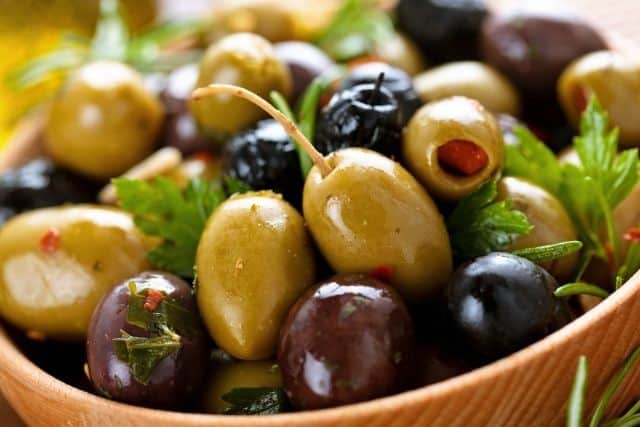
Yes, rabbits can eat olives in very small amounts as an occasional treat. Olives are not toxic to rabbits, but they are high in sodium, fat, and calories, making them a poor nutritional choice for regular feeding. A rabbit that accidentally nibbles on a piece of olive will be fine, but you should never make olives a routine part of your rabbit's diet. The high salt content in processed olives (canned, jarred, or pickled) is the biggest concern, as rabbits have a low tolerance for sodium compared to humans.
As breeders, we treat olives the same way we treat any high-fat, high-sodium snack: a tiny piece once in a while is harmless, but there are far better treat options available. If you want to offer your rabbit a treat they will actually benefit from, stick to safe vegetables like bell peppers or small pieces of fruit instead.
What Nutrients Do Olives Contain?
Understanding the nutritional profile of olives helps explain why they are not ideal for rabbits. Here is a breakdown of the key nutrients in olives per 100 grams of green olives (canned or pickled):
| Nutrient | Amount per 100g | Rabbit Concern Level |
|---|---|---|
| Calories | 145 kcal | High |
| Total Fat | 15.3 g | High |
| Sodium | 1,556 mg | Very High |
| Fiber | 3.3 g | Moderate (but insufficient) |
| Sugar | 0.5 g | Low |
| Calcium | 52 mg | Moderate |
| Iron | 0.5 mg | Low |
| Vitamin E | 3.8 mg | Beneficial |
The standout concern here is sodium. According to NutritionData, a single green olive contains roughly 39 mg of sodium. Commercially processed olives are brined or pickled, which dramatically increases their salt content. For a small animal like a rabbit, even a few olives can deliver a significant sodium load relative to body weight.
Rabbits do need some sodium in their diet for normal bodily functions like pH regulation and nutrient transport. However, the BSAVA Manual of Rabbit Medicine notes that excess dietary sodium can lead to reduced growth rates and other health complications. The sodium in a rabbit's regular pellets and hay already covers their daily requirement, so adding olives on top is nutritionally unnecessary.
How Many Olives Can a Rabbit Eat?
If you choose to offer your rabbit an olive, the maximum safe amount is one small olive (about 3 to 4 grams of flesh) once per week at most. This is not a food that should appear in your rabbit's diet more than occasionally.
Portion Guidelines by Rabbit Size
| Rabbit Size | Weight Range | Maximum Olive Portion | Frequency |
|---|---|---|---|
| Small breed | 1 to 2 kg (2 to 4 lbs) | Half of one small olive | Once per week maximum |
| Medium breed | 2 to 4 kg (4 to 9 lbs) | One small olive | Once per week maximum |
| Large breed | 4 to 6 kg (9 to 13 lbs) | One to two small olives | Once per week maximum |
| Giant breed | 6+ kg (13+ lbs) | Two small olives | Once per week maximum |
These portions assume you are feeding plain olives, not olives stuffed with garlic, pimentos, cheese, or other fillings. Stuffed olives contain additional ingredients that may be harmful or toxic to rabbits.
How to Prepare Olives for Your Rabbit
- Choose plain, pitted olives with no added seasonings or stuffing.
- Rinse the olive thoroughly under running water to remove as much surface brine and salt as possible.
- Cut the olive into small pieces to reduce choking risk.
- Remove the pit completely. Olive pits are a choking hazard and can cause intestinal blockages.
- Offer the pieces on a clean plate or hand-feed them to your rabbit.
- Monitor your rabbit for the next 24 hours for any signs of digestive upset.
If this is the first time your rabbit has tried olives, start with an even smaller piece, roughly half the portion listed above. Watch for soft stools, reduced appetite, or lethargy over the next day. If your rabbit shows any of these signs, olives are not a good fit for their digestive system.
Risks of Feeding Olives to Rabbits
While a tiny piece of olive won't harm your rabbit, there are several real risks associated with feeding olives regularly or in larger quantities.
Excess Sodium and Reduced Growth
The primary risk with olives is their extremely high sodium content. Canned and pickled olives contain roughly 1,556 mg of sodium per 100 grams. Research cited in the BSAVA Manual of Rabbit Medicine and by Harris et al. (1984) indicates that chronic excess sodium intake in rabbits can lead to reduced growth rates, particularly in younger animals still developing.
Even if your rabbit is an adult, high sodium intake places extra strain on their kidneys. Rabbits excrete excess sodium through their urine, and consistently elevated sodium levels can contribute to dehydration as the body pulls water to flush out the salt. You may notice your rabbit drinking more water than usual after eating salty foods.
Digestive Upset and Diarrhea
Rabbits have highly specialized digestive systems designed to process high-fiber, low-fat foods. Olives are the opposite: high in fat and low in the type of long-strand fiber that rabbits need. Introducing olives, especially in larger amounts, can disrupt the delicate balance of bacteria in your rabbit's cecum and cause loose stools or diarrhea.
Diarrhea in rabbits is never something to take lightly. True watery diarrhea (not to be confused with soft cecotropes) is a medical emergency in rabbits and can lead to fatal dehydration within 24 to 48 hours if left untreated.
GI Stasis
GI stasis occurs when a rabbit's digestive system slows down or stops completely. It is one of the most common and dangerous conditions in domestic rabbits. Feeding too many olives can contribute to GI stasis in two ways:
- Displacing hay: If a rabbit fills up on olives, they eat less hay. Since hay provides the fiber that keeps gut motility going, reduced hay intake can slow down the entire digestive tract.
- High fat content: The fat in olives is harder for rabbits to digest than plant-based fiber. This can slow gastric emptying and contribute to a sluggish gut.
Signs of GI stasis include a bloated or hard abdomen, small or absent droppings, hunched posture, teeth grinding, and refusal to eat. If you notice these symptoms, contact a rabbit-savvy veterinarian immediately.
Choking Hazard from Pits
Olive pits are hard, smooth, and roughly the size of a rabbit's esophagus. If your rabbit bites into a whole olive without the pit being removed, they could choke. Always remove the pit before offering any olive to your rabbit, and cut the flesh into small, manageable pieces.
Weight Gain
At 145 calories per 100 grams, olives are calorie-dense compared to the leafy greens and hay that should make up the bulk of your rabbit's diet. Regular olive feeding can contribute to obesity, which brings its own cascade of health problems including joint issues, reduced mobility, difficulty grooming (leading to flystrike in warm climates), and increased risk of hepatic lipidosis (fatty liver disease).
Green Olives vs. Black Olives: Is One Safer?
Both green and black olives come from the same tree, just harvested at different stages of ripeness. Green olives are picked before they ripen, while black olives are allowed to fully mature on the tree (or are artificially ripened using chemical processes).
| Type | Sodium (per 100g) | Fat (per 100g) | Notes for Rabbits |
|---|---|---|---|
| Green olives (canned) | 1,556 mg | 15.3 g | Higher sodium due to longer brining |
| Black olives (canned) | 735 mg | 10.9 g | Lower sodium, slightly less fat |
| Kalamata olives | 1,190 mg | 14.2 g | High sodium from red wine vinegar brine |
Black olives generally contain less sodium than green olives because they undergo a shorter brining process. If you do choose to give your rabbit an olive, a rinsed black olive is the marginally better option. That said, neither type is a nutritious choice for rabbits, and the difference is small enough that it shouldn't change how you approach feeding: tiny amounts, rarely.
Can Rabbits Eat Olive Tree Leaves and Branches?
No. Olive tree leaves and branches are not safe for rabbits. This is an important distinction because many rabbit owners know that certain tree branches (like apple or willow) make excellent chew toys, and they may assume olive wood is similar.
Olive tree leaves contain compounds called oleuropein and other phenolic compounds that can cause gastrointestinal irritation in rabbits. While these compounds have been studied for potential health benefits in humans, rabbits metabolize plant chemicals very differently. What is beneficial or harmless to a human can be toxic to a rabbit.
Olive branches, whether fresh or dried, carry the same risk. The bark and wood contain these same phenolic compounds, and a rabbit that chews on olive branches could ingest enough to cause vomiting, diarrhea, or more serious digestive complications.
If your rabbit has access to a garden or outdoor area with olive trees, make sure they cannot reach fallen branches or low-hanging leaves. Provide safe alternatives for chewing such as apple wood, willow sticks, or willow balls.
Can Rabbits Have Olive Oil?
Olive oil is not toxic to rabbits, but it should never be given as a regular supplement or food topping. Rabbits are herbivores whose digestive systems are optimized for breaking down plant fiber, not processing concentrated fats.
There is one narrow exception: some rabbit-experienced veterinarians may recommend a very small amount (0.5 to 1 ml) of olive oil administered via syringe as a short-term remedy for mild constipation or suspected hairball issues. This should only be done under veterinary guidance, as giving oil to a rabbit with a true GI obstruction can make the situation worse.
Never drizzle olive oil on your rabbit's food as a "supplement." It adds unnecessary calories and fat without providing any nutrient your rabbit cannot get from their regular diet of hay, pellets, and fresh vegetables.
Healthier Treat Alternatives to Olives
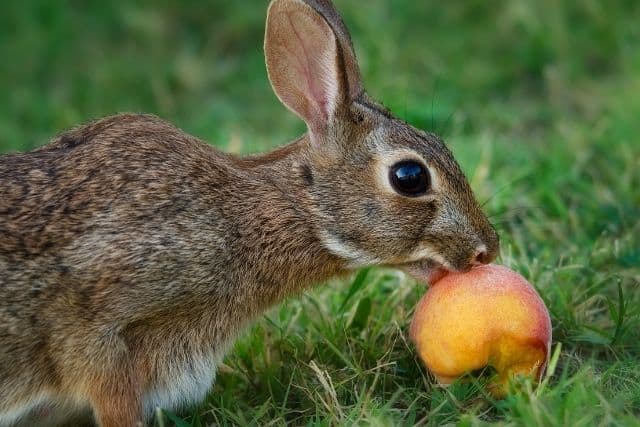
If you want to give your rabbit treats they will enjoy and that actually provide some nutritional value, consider these options instead of olives:
Safe Fruits (1 to 2 tablespoons per day maximum)
- Apple slices (no seeds): Low sodium, good fiber, rabbits love the sweetness. Learn more about feeding apples to rabbits.
- Blueberries: Rich in antioxidants, easy to portion control
- Strawberry tops: The leafy green caps are actually the healthiest part for rabbits
- Papaya: Contains papain enzyme that may help with fur ingestion
- Banana: Very sweet, so limit to small pieces, but most rabbits consider banana their favorite treat
Safe Herbs and Greens (Unlimited or Near-Unlimited)
- Cilantro: Low in oxalates, most rabbits love the flavor
- Basil: Aromatic and nutritious, safe for daily feeding
- Parsley: Rich in vitamins, feed in moderation due to calcium content
- Dandelion greens: Excellent source of vitamins A and K, and rabbits go wild for them
- Mint: Safe and aromatic, some rabbits prefer it as a cool-weather treat
For a complete breakdown of how much food your rabbit should eat daily, including the right balance of hay, pellets, vegetables, and treats, check our full feeding guide.
What to Do If Your Rabbit Eats Too Many Olives
Accidents happen. Maybe you left olives on the counter and your free-roaming rabbit helped themselves, or a well-meaning family member offered a handful. Here is what to do:
- Don't panic. Olives are not acutely toxic to rabbits. A few olives will not poison your rabbit.
- Remove remaining olives from your rabbit's reach immediately.
- Offer plenty of fresh water. The sodium in olives will make your rabbit thirsty. Make sure clean water is available and easily accessible.
- Increase hay availability. Put out extra hay to encourage your rabbit to eat fiber and keep their gut moving.
- Monitor droppings. Watch for changes in fecal output over the next 12 to 24 hours. Smaller, fewer, or irregularly shaped droppings could indicate digestive trouble.
- Watch for GI stasis signs. If your rabbit stops eating, stops pooping, becomes lethargic, or shows a hunched posture, seek veterinary care immediately.
In most cases, a rabbit that ate a few extra olives will experience nothing worse than slightly softer droppings for a day. But if your rabbit consumed a large quantity or appears unwell, a vet visit is the safest course of action.
Can Baby Rabbits Eat Olives?
No. Baby rabbits (kits) under 12 weeks old should not eat olives or any treats at all. Young rabbits have even more sensitive digestive systems than adults, and their gut flora is still developing. Introducing high-sodium, high-fat foods like olives to a baby rabbit significantly increases the risk of potentially fatal diarrhea.
Kits should be eating only their mother's milk for the first 3 to 4 weeks. After weaning, they should transition gradually to alfalfa hay and age-appropriate pellets. Fresh vegetables can be introduced slowly starting around 12 weeks, one type at a time, and treats should wait until at least 6 months of age.
Even for juvenile rabbits between 3 and 6 months old, olives are a poor choice. Their sodium tolerance is lower than adult rabbits, and the research on sodium-related growth reduction is most relevant to young, developing animals.
What About Olive-Flavored Products?
Never give your rabbit any olive-flavored human food products. This includes:
- Olive bread or crackers: Contain flour, yeast, and other ingredients rabbits cannot digest
- Olive tapenade: Contains garlic and other toxic ingredients
- Stuffed olives: Fillings like garlic, cheese, and peppers add additional risks
- Olive oil dressings: High in fat with added vinegar, salt, and spices
- Marinated olives: The marinade often contains garlic, chili, or herbs that may be harmful
The only form of olive that is remotely acceptable for rabbits is a plain, pitted olive that has been rinsed of brine. Anything processed further adds risk with zero benefit. If you want to learn more about similar foods to avoid, check our guide on why pickled foods are unsafe for rabbits.
Frequently Asked Questions
Can rabbits eat olive oil?
Olive oil is not toxic to rabbits, but it should not be given as a food or supplement. A veterinarian may recommend a tiny amount (0.5 to 1 ml) for mild constipation, but never give olive oil without professional guidance. It adds unnecessary fat and calories to a rabbit's diet.
Can rabbits eat olive tree leaves?
No, rabbits should not eat olive tree leaves. Olive leaves contain oleuropein and other phenolic compounds that can cause gastrointestinal irritation and digestive problems in rabbits. Keep your rabbit away from olive trees in gardens or outdoor play areas.
Can rabbits eat olive branches?
No, olive branches are not safe for rabbits to chew on. The bark and wood contain the same harmful phenolic compounds found in the leaves. Use apple wood, willow sticks, or commercially sold rabbit-safe chew toys instead.
Can rabbits eat black olives?
Yes, rabbits can eat a small amount of black olive as an occasional treat. Black olives contain roughly half the sodium of green olives (735 mg vs. 1,556 mg per 100g), making them the slightly better option. Always rinse, pit, and cut the olive into small pieces before offering it.
Are olives poisonous to rabbits?
No, olives themselves are not poisonous to rabbits. The olive fruit is safe in small quantities. However, olive tree leaves and branches are harmful and should not be given to rabbits. The main risk with olive fruit is the high sodium and fat content, not toxicity.
Cite this article:
Cite this article:
BunnySync (March 15, 2026) Can Rabbits Eat Olives? Safe Feeding Guide for 2026. Retrieved from https://bunnysync.com/blog/can-rabbits-eat-olives.
"Can Rabbits Eat Olives? Safe Feeding Guide for 2026." BunnySync - March 15, 2026, https://bunnysync.com/blog/can-rabbits-eat-olives