Can Rabbits Eat Okra Safely?
Yes, rabbits can eat okra safely in moderation. Both the pods and leaves are non-toxic to rabbits, and most bunnies enjoy the slightly slimy texture of fresh okra. That said, okra should only make up a small part of your rabbit's vegetable rotation, not a dietary staple. The nutritional profile of okra is modest compared to leafy greens like kale or cilantro, so it works best as an occasional addition alongside more nutrient-dense vegetables.
As breeders, we have fed okra to our rabbits many times without any issues. The key is proper portions and making sure your rabbit's diet still centers on unlimited timothy hay, which should make up 80 to 90 percent of what they eat daily.
Do Rabbits Like Eating Okra?
Most rabbits do enjoy eating okra, though individual preferences vary. In our experience, roughly seven out of ten rabbits will happily munch on a piece of fresh okra when offered. The texture seems to be what attracts them. Okra has a slightly mucilaginous (slimy) interior that some rabbits find interesting, while others may refuse it entirely on first try.
Reports from rabbit communities confirm this. One rabbit owner on RabbitTalk shared their experience:
"My rabbits didn't have any problems after they ate the Okra. I fed them the leaves and stem. They ate the leaves and used the stem to nibble on like they would a piece of wood. I had four plants about 5 feet tall and gave all of it to them over the fall, not all at once of course."
If your rabbit turns down okra the first time, try offering it again after a few days. Some rabbits need two or three exposures to a new food before they accept it. You can also try offering a different part of the plant. Many rabbits prefer the leaves over the pods, and some enjoy the stems as a chew toy similar to how they would gnaw on a willow stick.
What Are the Nutritional Benefits of Okra for Rabbits?
Okra does provide some useful vitamins and minerals for rabbits, though it is not as nutrient-dense as many leafy greens. Here is a breakdown of what 100 grams of raw okra contains and how it benefits your rabbit:
| Nutrient | Amount per 100g | Benefit for Rabbits |
|---|---|---|
| Vitamin A | 36 mcg (RAE) | Supports vision, immune function, and reproductive health |
| Vitamin C | 23 mg | Rabbits produce their own, but it supports immune health |
| Vitamin K | 31.3 mcg | Supports blood clotting and bone health |
| Folate | 60 mcg | Important for cell growth, especially in pregnant does |
| Calcium | 82 mg | Supports bone and teeth health (moderate amount) |
| Magnesium | 57 mg | Supports muscle and nerve function |
| Potassium | 299 mg | Helps regulate fluid balance and heart function |
| Fiber | 3.2 g | Supports digestive motility |
| Water content | 89.6% | Provides hydration |
Vitamin A and Immune Support
Okra contains moderate amounts of vitamin A, which plays a direct role in maintaining your rabbit's immune system, coat quality, and eye health. Breeding does especially benefit from vitamin A during pregnancy and lactation. While okra is not the richest source of this vitamin compared to foods like carrots or bell peppers, it still contributes meaningful amounts when included in a varied vegetable rotation.
Fiber Content
At 3.2 grams of fiber per 100 grams, okra provides a reasonable amount of dietary fiber. However, this is far less than what your rabbit gets from hay, which remains the single most important source of fiber in their diet. The fiber in okra is mostly soluble fiber (the mucilage that gives okra its slimy texture), which differs from the insoluble fiber in hay that keeps the digestive tract moving properly. Think of okra's fiber as a supplement, never a replacement for the hay your rabbit needs every day.
Calcium Considerations
Okra contains 82 mg of calcium per 100 grams, which is a moderate amount. Rabbits process calcium differently than humans. They absorb all dietary calcium and excrete the excess through their urine. Too much calcium can lead to bladder sludge or urinary stones over time. This is another reason to keep okra portions modest, especially if you are already feeding other calcium-rich vegetables like parsley or kale in the same rotation.
How Much Okra Can a Rabbit Eat?
The right portion of okra depends on your rabbit's size and age. As a general guideline, okra falls into the "vegetable" category of your rabbit's diet, which should make up roughly 10 percent of their daily food intake.
| Rabbit Size | Weight Range | Daily Vegetable Allowance | Okra Portion (if included) |
|---|---|---|---|
| Small breed | 1.1 to 3.5 lbs | 1/2 to 1 cup | 1 to 2 small pods |
| Medium breed | 6 to 10 lbs | 1 to 2 cups | 2 to 3 medium pods |
| Large breed | 9 to 12 lbs | 2 to 2.5 cups | 3 to 4 medium pods |
These amounts assume okra is one of several vegetables you are offering that day. We recommend mixing okra with two or three other vegetables so your rabbit gets a wider range of nutrients. For example, you might combine a couple of okra pods with some bell pepper slices and a handful of cilantro for a well-rounded vegetable serving.
How Often Should You Feed Okra to Rabbits?
Feed okra no more than two to three times per week. Because its nutritional value is moderate compared to leafy greens, rotating it with more nutrient-dense vegetables gives your rabbit better overall nutrition. A good weekly rotation might look like this:
- Monday: Cilantro, bell pepper, and okra
- Wednesday: Kale, celery, and parsley
- Friday: Basil, dandelion greens, and cucumber
- Other days: Rotate from your rabbit's list of safe vegetables
This approach ensures variety, prevents calcium buildup from any single food, and keeps your rabbit interested in mealtimes.
Which Parts of Okra Can Rabbits Eat?
Rabbits can safely eat all parts of the okra plant. Here is a breakdown of each part:
Okra Pods
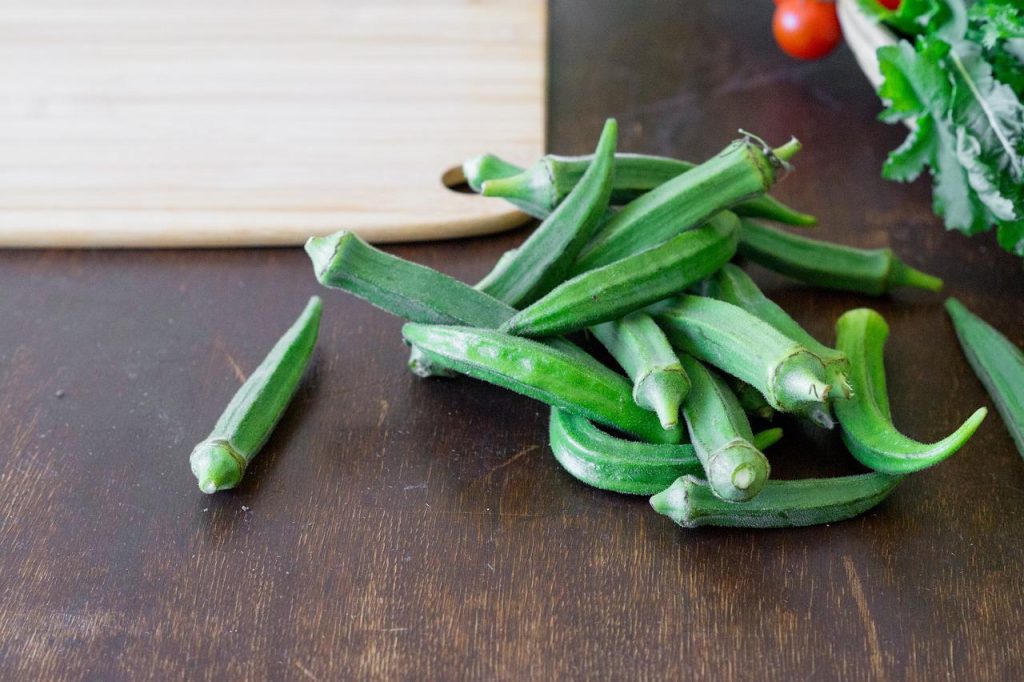
The pods are the most commonly fed part. Choose young, tender pods that are 2 to 4 inches long. Older pods become tough and woody, and while they are not harmful, most rabbits will ignore them. Wash the pods thoroughly to remove any pesticide residue before serving. You can offer them whole or sliced into rounds.
Okra Leaves
Okra leaves are actually more nutritious than the pods. They contain higher concentrations of protein and minerals, and many rabbits prefer their flavor and texture. If you grow okra in your garden, the leaves are an excellent addition to your rabbit's vegetable mix. Just make sure no pesticides or herbicides have been applied.
Okra Stems
The stems are fibrous and tough, which makes them a natural chew item. Rabbits will gnaw on okra stems much like they would chew on apple wood or willow sticks. The chewing action helps wear down their continuously growing teeth. While there is limited nutritional value in the stems, the dental benefits make them worth offering.
Okra Seeds
The small seeds inside okra pods are safe for rabbits. You do not need to deseed the pods before feeding. The seeds are soft enough when the pod is young and do not pose a choking risk.
When Should You Not Feed Okra to Rabbits?
There are several situations where you should avoid giving okra to your rabbit:
Young Rabbits Under 12 Weeks
Baby rabbits have delicate digestive systems that are still developing the gut flora needed to process vegetables. Stick to hay, water, and age-appropriate pellets until your rabbit reaches at least 12 weeks old. Even then, introduce vegetables slowly, starting with just a small piece (about half an ounce) to see how your rabbit's digestive system responds.
Here is a general timeline for introducing vegetables like okra:
| Age | Vegetable Guidelines |
|---|---|
| 0 to 12 weeks | No vegetables. Hay, water, and alfalfa pellets only. |
| 12 weeks to 7 months | Introduce one new vegetable at a time in small amounts (less than 15 grams) |
| 7 months to 1 year | Gradually increase vegetable portions daily |
| 1 to 5 years (adult) | 1 to 2 cups of mixed vegetables per 6 lbs of body weight |
| 6+ years (senior) | Maintain adult portions, adjust based on weight and health |
Source: LaFeber Veterinary Basic Rabbit Care Guide
Rabbits With Digestive Problems
If your rabbit is producing uneaten cecotrophs, soft stool, or has any signs of gastrointestinal discomfort, remove all vegetables and treats immediately. Return to a hay-only diet until the stool normalizes, then reintroduce vegetables one at a time. This is not specific to okra but applies to all fresh foods.
Rabbits Prone to Bladder Sludge
Because okra contains a moderate amount of calcium (82 mg per 100g), rabbits that have a history of urinary issues should eat it sparingly or not at all. If your rabbit has been diagnosed with bladder sludge or calcium deposits, consult your veterinarian about which vegetables are safe to continue feeding.
Risks of Overfeeding Okra to Rabbits
Feeding too much okra, or any vegetable, can cause several health issues:
- Uneaten cecotrophs: When a rabbit eats too many vegetables and not enough hay, the fiber balance in their gut shifts. This can result in soft, mushy cecotrophs that the rabbit refuses to eat. You will find them stuck to your rabbit's fur or smeared on the cage floor. The fix is simple: reduce vegetables and increase hay intake.
- Diarrhea: True diarrhea (watery, unformed stool) is a veterinary emergency for rabbits. It can be triggered by sudden dietary changes or an overload of high-moisture foods like okra. If your rabbit shows changes in stool patterns, act quickly. Diarrhea can be fatal to rabbits within 24 to 48 hours if untreated.
- Gastrointestinal stasis: Also called GI stasis, this occurs when the digestive tract slows down or stops entirely. A diet too low in insoluble fiber (from hay) and too high in other foods is a primary trigger. Symptoms include loss of appetite, small or no fecal pellets, lethargy, and a hunched posture. GI stasis requires immediate veterinary attention as it can lead to organ failure.
- Calcium buildup: Over time, consistently high calcium intake from vegetables like okra can contribute to urinary sludge or stones in rabbits. Rotating between low-calcium and moderate-calcium vegetables helps prevent this.
How to Prepare Okra for Your Rabbit
Proper preparation ensures your rabbit gets the most out of okra while minimizing risks:
- Choose fresh, young pods: Pick okra that is bright green, firm, and 2 to 4 inches long. Avoid pods that are browning, wilting, or feel tough and woody.
- Wash thoroughly: Rinse under cool running water and gently scrub the surface to remove any dirt, pesticide residue, or bacteria. This is especially important for store-bought okra.
- Serve raw: Never cook okra before giving it to your rabbit. Cooked vegetables lose nutrients and can be harder for rabbits to digest. Raw okra also provides the crunchy texture that benefits dental health.
- Cut to size: For small rabbits, slice the pod into rounds or halves. Larger rabbits can handle a whole small pod.
- Remove uneaten portions: Take away any okra that your rabbit has not eaten within 2 to 3 hours. Fresh vegetables spoil quickly and can harbor bacteria if left in the cage.
Better Vegetable Alternatives to Okra
While okra is perfectly safe, several vegetables offer more nutritional value for your rabbit. If you are looking to build the best possible vegetable rotation for your rabbit, consider these options:
| Vegetable | Why It's Better | How Often |
|---|---|---|
| Cilantro | Higher in vitamins A and K, lower in calcium | Daily |
| Bell peppers | Very high in vitamin C and A, low calcium | Daily |
| Romaine lettuce | High water content, good fiber, low calories | Daily |
| Dandelion greens | Rich in vitamins A, C, K and minerals | 3 to 4 times per week |
| Basil | Anti-inflammatory properties, aromatic appeal | Daily |
| Celery | Good fiber and water content, dental benefits | Daily (cut into small pieces) |
That said, variety is the cornerstone of a healthy rabbit diet. Including okra as one of many rotating vegetables keeps mealtimes interesting for your rabbit and ensures a broad spectrum of nutrients over time.
Can Rabbits Eat Frozen or Canned Okra?
No, you should not feed frozen or canned okra to your rabbit. Frozen okra becomes mushy when thawed and loses much of its nutritional value during the freezing process. Canned okra is even worse because it typically contains added salt, preservatives, and sometimes oils that are harmful to rabbits.
Always stick to fresh, raw okra. If fresh okra is out of season or unavailable in your area, simply choose from the many other vegetables your rabbit enjoys instead of substituting with processed alternatives.
Can Rabbits Eat Pickled or Cooked Okra?
No. Pickled okra contains vinegar, salt, garlic, and spices that are all harmful to rabbits. Cooked okra, whether boiled, fried, or roasted, should never be fed to rabbits either. Cooking changes the fiber structure, adds oils or seasonings, and can make the food difficult for your rabbit to digest. Rabbits are designed to eat raw plant material, and their digestive systems work best with unprocessed foods.
Frequently Asked Questions
Can baby rabbits eat okra?
No, rabbits under 12 weeks old should not eat any vegetables, including okra. Their digestive systems are still developing and cannot handle fresh produce. Start introducing vegetables one at a time after 12 weeks, beginning with small amounts of about half an ounce to monitor for any digestive reactions.
Is okra good for rabbits with dental problems?
Fresh, raw okra pods provide some dental benefit because of their firm texture, which encourages chewing. The stems are particularly useful as a natural chew item. However, okra alone is not a substitute for proper dental care. If your rabbit has overgrown teeth or malocclusion, consult a rabbit-savvy veterinarian.
Can okra cause gas in rabbits?
Okra is less likely to cause gas than cruciferous vegetables like broccoli or cabbage. However, any new food introduced too quickly or in too large a quantity can cause digestive upset. Always introduce okra gradually, starting with a small piece, and monitor your rabbit's droppings for the next 24 hours.
How do I know if my rabbit is allergic to okra?
True food allergies in rabbits are rare. However, some rabbits may be sensitive to new foods. Signs of digestive intolerance include soft stool, reduced appetite, bloating, or uneaten cecotrophs. If you notice any of these symptoms after introducing okra, stop feeding it and return to your rabbit's regular diet.
Can wild rabbits eat okra from my garden?
Wild rabbits will eat okra plants if they can access them. They tend to prefer the young leaves and tender pods. If you want to protect your okra garden from wild rabbits, use wire fencing that extends at least 2 feet high and is buried 6 inches underground to prevent digging underneath.
Cite this article
Cite this article:
BunnySync (March 17, 2026) Can Rabbits Eat Okra? Safe Feeding Guide for 2026. Retrieved from https://bunnysync.com/blog/can-rabbits-eat-okra.
"Can Rabbits Eat Okra? Safe Feeding Guide for 2026." BunnySync - March 17, 2026, https://bunnysync.com/blog/can-rabbits-eat-okra