Can Rabbits Safely Eat Nettles?
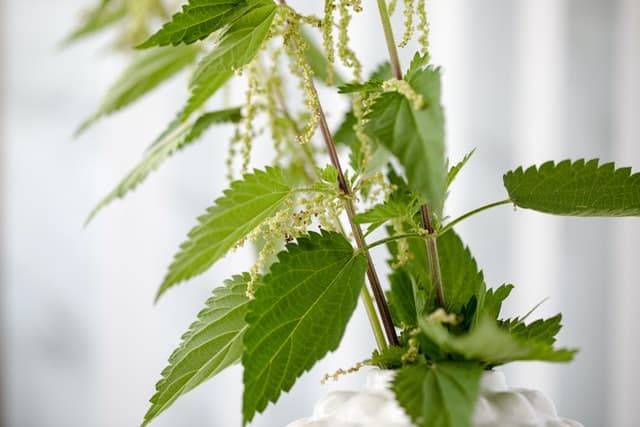
Yes, rabbits can eat nettles, and most breeders actually consider stinging nettles (Urtica dioica) one of the best wild plants you can offer. Nettles are packed with protein, iron, calcium, and vitamins A and C. As long as your rabbit still eats plenty of timothy hay as its primary food source, nettles make an excellent supplementary green. We regularly forage nettles for our rabbits during spring and summer, and they devour them eagerly every time.
That said, there are important details every rabbit owner should know before tossing a handful of fresh nettles into the hutch. The stinging hairs on fresh nettles, how to prepare them properly, and how much to feed all matter. This guide covers everything from nutritional benefits to preparation methods, portion sizes, and potential risks.
What Makes Nettles So Nutritious for Rabbits?
Stinging nettles are surprisingly nutrient-dense for a wild plant. Herbalists and veterinary researchers have studied their composition extensively, and the numbers speak for themselves.
Nutritional Profile of Dried Nettles
| Nutrient | Amount per 100g (dried) | Benefit for Rabbits |
|---|---|---|
| Protein | 25-30g | Supports muscle maintenance and fur growth |
| Fiber | 9-11g | Aids digestive motility |
| Calcium | 400-600mg | Supports bone and dental health |
| Iron | 8-12mg | Prevents anemia, especially in nursing does |
| Vitamin A | 2,000-3,000 IU | Eye health and immune function |
| Vitamin C | 30-80mg | Antioxidant support |
| Potassium | 300-500mg | Heart and muscle function |
Compared to many garden herbs, nettles have an unusually high protein content for a leafy green. This makes them particularly valuable for pregnant does, nursing mothers, and growing kits. Many experienced breeders specifically seek out nettles during kindling season for this reason.
Nettles also contain natural antihistamine compounds and have traditionally been used in herbal medicine for anti-inflammatory purposes. While rabbits are not humans, the mineral density alone makes nettles a superior forage plant compared to many commercial treats.
Will Rabbits Eat Nettles on Their Own?
Absolutely. Rabbits will intentionally seek out and eat nettles without any hesitation. Wild rabbits regularly graze on nettle patches, and domestic rabbits show the same enthusiasm when offered them.
We have spoken with dozens of rabbit owners who forage nettles regularly. The consensus is overwhelming: rabbits love them. Some owners report that their rabbits actually prefer nettles over store-bought greens like romaine lettuce.
One thing that surprises new owners is that rabbits can eat fresh nettles, stinging hairs and all. A rabbit's mouth is lined with tough tissue that handles the tiny formic acid-filled needles without issue. However, if you want to be cautious, especially with younger rabbits, letting nettles wilt for a few hours neutralizes the sting completely.
Do the Stinging Hairs Hurt Rabbits?
This is the most common concern, and it is understandable. If you have ever brushed against a nettle plant with bare skin, you know the burning, itchy sensation. The good news: rabbits handle nettles differently than humans do.
Why Rabbits Are Not Affected by Nettle Stings
- Thick oral tissue: A rabbit's lips and mouth lining are much tougher than human skin. The fine silica-tipped hairs on nettles cannot easily penetrate this tissue.
- Fur protection: A rabbit's dense fur around the mouth and face acts as a physical barrier against the stinging trichomes.
- Natural foraging behavior: Wild European rabbits (Oryctolagus cuniculus) have evolved alongside nettles for thousands of years. Their physiology is adapted to handle these plants.
That said, some owners prefer to take extra precautions. If your rabbit has never eaten nettles before, you can wilt them first by leaving picked nettles in open air for 12 to 24 hours. Once wilted, the stinging hairs collapse and lose their ability to inject formic acid. Dried nettles are completely sting-free and just as nutritious.
How to Prepare Nettles for Your Rabbit
Preparation depends on whether you are offering fresh, wilted, or dried nettles. All three forms are safe, but each has its own advantages.
Fresh Nettles
- Wear thick gloves when harvesting to protect your own hands.
- Pick young shoots from the top of the plant. These are more tender and nutritious than older, woody stems.
- Rinse thoroughly under running water to remove dirt, insects, and potential pesticide residue.
- Offer a small handful (about 5 to 10 stems) alongside your rabbit's regular hay.
Wilted Nettles
- Harvest and rinse as above.
- Spread the nettles on a clean tray or newspaper in a well-ventilated area.
- Leave for 12 to 24 hours until they visibly wilt and the leaves become soft and limp.
- The stinging hairs will have collapsed. You can now handle them without gloves.
Dried Nettles
- Hang bundles of nettles upside down in a dry, warm area with good airflow.
- Allow 3 to 5 days for complete drying. Leaves should crumble easily when ready.
- Store in a paper bag or glass jar in a cool, dark place. They keep for several months.
- Crumble dried nettles over hay or mix into your rabbit's daily greens.
Dried nettles are especially convenient during winter months when fresh forage is unavailable. Many breeders harvest large batches in late spring and dry them for year-round use.
How Many Nettles Should You Feed a Rabbit?
Like all supplementary greens, nettles should complement your rabbit's diet, not replace it. Pellets and unlimited hay remain the foundation of a healthy rabbit diet.
Recommended Portions by Rabbit Size
| Rabbit Size | Fresh Nettles per Serving | Frequency |
|---|---|---|
| Small breeds (under 2 kg) | 3-5 stems | 2-3 times per week |
| Medium breeds (2-4 kg) | 5-10 stems | 2-3 times per week |
| Large breeds (4-6 kg) | 10-15 stems | 3-4 times per week |
| Giant breeds (6+ kg) | 15-20 stems | 3-4 times per week |
These are guidelines, not strict rules. Every rabbit is different. Start with a small amount the first time and observe your rabbit's droppings over the next 24 hours. If fecal pellets remain firm and round, you can gradually increase the quantity.
Nettles should be part of a rotating variety of fresh greens. Offer them alongside other safe plants like dandelions, clover, and parsley to ensure a balanced nutrient intake.
What Are the Risks of Overfeeding Nettles?
Nettles themselves are not toxic to rabbits. The danger comes from feeding too many nettles at the expense of hay and other essential dietary components. Here are the specific risks to watch for.
GI Stasis
Gastrointestinal stasis occurs when the gut slows down or stops moving entirely. If a rabbit fills up on nettles and skips hay, the drop in long-strand fiber intake can trigger this potentially fatal condition. Symptoms include a bloated abdomen, refusal to eat, and very small or absent droppings. GI stasis requires immediate veterinary attention.
Diarrhea
Introducing too many nettles too quickly, especially in rabbits that have never eaten them, can cause loose stools. The sudden change in diet disrupts the delicate balance of cecal bacteria. Always introduce nettles gradually over the course of a week, starting with just 2 to 3 stems per serving.
Soft Uneaten Cecotropes
Cecotropes are the nutrient-rich droppings rabbits normally re-ingest directly from their bodies. When the diet is too rich in fresh greens and too low in hay fiber, cecotropes become mushy and the rabbit stops eating them. You will notice these soft, dark, grape-like clusters sticking to the hutch floor or your rabbit's fur. The fix is simple: reduce nettles and increase hay for several weeks until droppings normalize.
Calcium Buildup
Nettles are high in calcium. While this is beneficial in moderate amounts, excessive calcium intake can contribute to urinary sludge or bladder stones in rabbits. This is especially relevant for adult rabbits over one year old, who need less calcium than growing kits. If your rabbit already receives calcium-rich foods like kale or parsley, be mindful of the total calcium load when adding nettles.
Where to Find Nettles for Your Rabbits
Stinging nettles grow abundantly across Europe, North America, and parts of Asia. They thrive in nitrogen-rich soil near hedgerows, woodland edges, riverbanks, and disturbed ground like garden borders.
Foraging Safety Tips
- Avoid roadsides: Plants growing near busy roads absorb heavy metals and vehicle exhaust pollutants.
- Skip treated areas: Never harvest from parks, farms, or gardens that use herbicides or pesticides. Even "organic" properties may use copper-based sprays that are harmful to rabbits.
- Watch for contamination: Avoid areas frequented by dogs or other animals that may have urinated on the plants.
- Identify correctly: Learn to distinguish stinging nettles from lookalikes. True stinging nettles have heart-shaped, serrated leaves with visible stinging hairs on the stems and leaf undersides. Dead nettles (Lamium species), which lack stinging hairs, are also safe for rabbits but have a different nutritional profile.
If foraging is not practical, you can buy dried nettles from herbal suppliers or pet shops that stock natural rabbit treats. Make sure the product is pure dried nettle with no added flavorings or preservatives.
Can Baby Rabbits Eat Nettles?
Kits under 12 weeks old should not eat nettles or any fresh greens. Young rabbits have developing digestive systems that are not ready to handle anything other than mother's milk, alfalfa hay, and age-appropriate pellets.
Between 12 weeks and 6 months, you can begin introducing small amounts of fresh greens one type at a time. Nettles can be part of this gradual introduction, but start with just 1 to 2 wilted stems and wait 48 hours before offering more. Watch for any changes in droppings or appetite.
After 6 months, most rabbits can handle nettles at the adult portion sizes listed above without any issues.
Fresh Nettles vs. Dried Nettles: Which Is Better?
Both forms are nutritious, but they serve different purposes in your rabbit's diet.
| Factor | Fresh Nettles | Dried Nettles |
|---|---|---|
| Water content | High (provides hydration) | Very low |
| Nutrient concentration | Lower per gram (due to water) | Higher per gram |
| Stinging risk | Yes (until wilted) | None |
| Shelf life | 1-2 days | Several months |
| Convenience | Seasonal only | Year-round |
| Palatability | Very high | High |
For everyday feeding during growing season, fresh or wilted nettles are ideal. Dried nettles are perfect for winter supplementation or for owners who do not have access to wild foraging areas. Some breeders mix crumbled dried nettles directly into hay to encourage picky eaters to consume more fiber.
Other Safe Wild Plants to Feed Alongside Nettles
Nettles work best as part of a diverse foraging rotation. Here are other common wild plants that are safe for rabbits:
- Dandelions (leaves, flowers, and roots)
- White and red clover
- Chickweed
- Plantain (Plantago major, not the banana-like fruit)
- Shepherd's purse
- Goosegrass (cleavers)
- Yarrow (in small amounts)
Rotating between 3 to 4 different wild plants each week provides a broader range of micronutrients and keeps your rabbit interested in fresh foods. Variety also reduces the risk of calcium or oxalate buildup from any single plant.
Signs Your Rabbit Is Eating Too Many Nettles
Monitor your rabbit after introducing nettles, especially during the first two weeks. Contact your veterinarian if you notice any of these warning signs:
- Reduced hay consumption: If your rabbit starts leaving hay untouched in favor of nettles, cut back on the nettles immediately. Hay must always be the primary food.
- Soft or misshapen droppings: Healthy rabbit droppings are round, dry, and uniform. Soft, clumped, or irregularly shaped droppings suggest a dietary imbalance.
- Uneaten cecotropes: Mushy cecotropes stuck to fur or the cage floor indicate too many rich greens and not enough fiber.
- Reduced appetite: A rabbit that stops eating entirely may be developing GI stasis. This is a medical emergency.
- Thick or gritty urine: White, chalky, or gritty urine can signal excess calcium. Reduce calcium-rich foods including nettles and consult your vet.
Frequently Asked Questions
Can rabbits eat stinging nettles without being hurt?
Yes, rabbits can eat fresh stinging nettles safely. Their tough mouth tissue and dense facial fur protect them from the stinging hairs. Wild rabbits have grazed on nettles for thousands of years without harm. If you prefer extra caution, let nettles wilt for 12 to 24 hours before serving.
How often should I feed nettles to my rabbit?
Feed nettles 2 to 4 times per week as part of a varied rotation of fresh greens. They should supplement, not replace, your rabbit's primary diet of unlimited hay and measured pellets. Rotate nettles with other safe plants like dandelions and clover for balanced nutrition.
Are dried nettles safe for rabbits?
Dried nettles are completely safe and retain most of their nutritional value. They are sting-free, easy to store for months, and convenient during winter when fresh forage is unavailable. Crumble them over hay or offer them as a standalone treat.
Can nettles replace hay in a rabbit's diet?
No. Hay provides the long-strand fiber that keeps a rabbit's gut moving and wears down continuously growing teeth. Nettles lack this type of structural fiber. A rabbit that eats nettles instead of hay risks GI stasis, dental disease, and malnutrition. Always ensure unlimited hay is available.
What part of the nettle plant can rabbits eat?
Rabbits can eat the leaves, stems, and young shoots of stinging nettles. The young tops (upper 10 to 15 cm) are the most tender and nutrient-rich. Avoid very old, woody stems at the base of mature plants, as these are tough and less palatable.
Cite this article:
Cite this article:
BunnySync (March 17, 2026) Can Rabbits Eat Nettles?. Retrieved from https://bunnysync.com/blog/can-rabbits-eat-nettles.
"Can Rabbits Eat Nettles?." BunnySync - March 17, 2026, https://bunnysync.com/blog/can-rabbits-eat-nettles