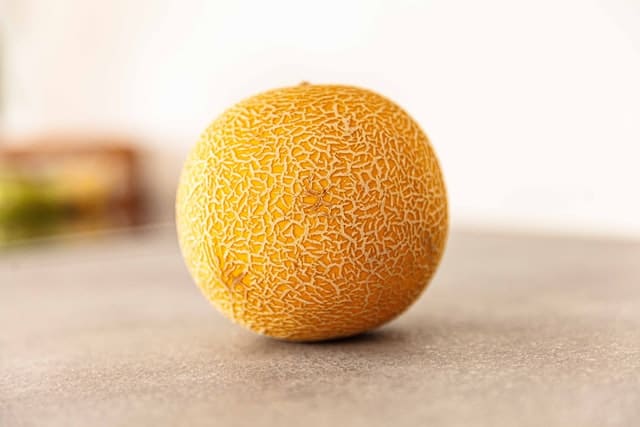
Yes, rabbits can eat melon safely, including cantaloupe, honeydew, and Galia varieties. Melon should only be offered to rabbits that are at least 7 months old, and portions should be limited to 1 to 2 tablespoons per 6 pounds of body weight, given just 1 to 2 times per week. As breeders, we consider melon one of the better fruit treats because it is high in vitamin A and water content, which most rabbits find irresistible on warm days.
That said, melon is still a sugary treat. Feeding too much or too often can disrupt your rabbit's digestive system and lead to serious issues like GI stasis. Below, we cover everything you need to know about feeding melon to your rabbits: proper portions by breed size and age, which parts of the melon are safe, nutritional benefits, risks to watch for, and how to introduce it correctly.
Can Rabbits Safely Eat Cantaloupe Melon?
Cantaloupe is the most common type of melon fed to rabbits, and it is completely safe when given in moderation. The flesh is soft, easy to chew, and packed with nutrients that provide real benefits in small amounts.
Most rabbits love cantaloupe. In our experience, rabbits tend to get visibly excited when they smell the sweet aroma. If you place a small piece in front of a rabbit that has never tried it before, there is a good chance they will take to it immediately.
However, "safe" does not mean "unlimited." Cantaloupe contains roughly 8 grams of sugar per 100 grams of flesh. Compare that to timothy hay, which should make up 80% of your rabbit's diet, and you can see why melon must remain an occasional treat. A rabbit's digestive system is designed for high-fiber, low-sugar foods. Melon supplements that diet, but it should never replace it.
The key rules for safe cantaloupe feeding are straightforward:
- Your rabbit must be at least 7 months old
- Limit portions to 1 to 2 tablespoons per 6 lbs of body weight
- Offer melon only 1 to 2 times per week
- Always remove seeds before serving
- Wash the rind thoroughly if you choose to offer it
What Are the Nutritional Benefits of Melon for Rabbits?
Melon is not just a tasty treat. It delivers a solid nutritional profile that can complement your rabbit's hay-based diet when fed correctly. Here is what 100 grams of raw cantaloupe melon provides:
| Nutrient | Amount per 100g | Benefit for Rabbits |
|---|---|---|
| Vitamin A | 3,382 IU | Supports vision, immune function, and skin health |
| Vitamin C | 36.7 mg | Antioxidant support (rabbits produce their own, but it still helps) |
| Potassium | 267 mg | Supports heart function and muscle activity |
| Fiber | 0.9 g | Minor digestive support |
| Water | 90.2 g | Hydration, especially in warm weather |
| Vitamin B6 | 0.07 mg | Supports metabolism and nervous system function |
| Folate | 21 mcg | Supports cell growth and reproduction |
| Magnesium | 12 mg | Bone health and enzyme function |
| Calories | 34 kcal | Low calorie treat option |
| Sugar | 7.9 g | Primary reason to limit portions |
Why Vitamin A Matters for Rabbits
Cantaloupe is one of the richest fruit sources of vitamin A available to rabbits. Vitamin A plays a critical role in maintaining healthy mucous membranes, reproductive health, and a strong immune system. Breeding does, in particular, benefit from adequate vitamin A intake during pregnancy and lactation. A small piece of cantaloupe once or twice a week provides a meaningful vitamin A boost without the sugar overload that comes from larger servings.
Hydration Benefits During Summer
With over 90% water content, cantaloupe serves as an excellent hydration supplement during hot weather. Rabbits are especially vulnerable to heat stress, and the combination of water content and natural sweetness makes melon a practical way to encourage fluid intake. This is particularly useful if you notice your rabbit drinking less from their water bottle during the warmer months when temperatures climb above the ideal range for rabbits. That said, melon should never replace fresh, clean drinking water.
How Much Melon Can a Rabbit Eat?
Portion control is the single most important factor when feeding melon to rabbits. The right amount depends on two variables: your rabbit's body weight and their age.
Portion Sizes by Breed Size
Use this table as a general guide for rabbits that are at least 7 months old:
| Breed Size | Typical Weight | Melon Portion (1-2x per week) |
|---|---|---|
| Small breeds (Netherland Dwarf, Mini Rex, Holland Lop) | 1.1 to 3.5 lbs | 1 teaspoon of diced melon |
| Medium breeds (Dutch, Mini Lop, Rex) | 6 to 10 lbs | 1 to 2 tablespoons of diced melon |
| Large breeds (New Zealand, Californian, Flemish Giant) | 9 to 14+ lbs | 2 to 3 tablespoons of diced melon |
These portions include melon as part of your rabbit's total daily treat allowance. If you are also offering other fruits or sugary treats on the same day, reduce the melon portion accordingly. The total fruit intake should not exceed 1 to 2 tablespoons per 6 pounds of body weight per day.
When Can Baby Rabbits Start Eating Melon?
Young rabbits have sensitive digestive systems that are still developing the microbial balance needed to process sugars and starches. Introducing melon too early can disrupt this balance and cause potentially dangerous digestive upset.
Here is the age-based feeding guide:
| Age | Can They Eat Melon? | Notes |
|---|---|---|
| 0 to 7 weeks | No | Mother's milk and alfalfa hay only |
| 7 weeks to 7 months | No | Hay, pellets, and gradual vegetable introduction only |
| 7 months to 1 year | Yes, small amounts | Start with a pea-sized piece; monitor droppings for 24 hours |
| 1 to 5 years (adult) | Yes | Follow the breed size portions above |
| 6+ years (senior) | Use caution | Consult your vet; senior rabbits may need dietary adjustments |
Source: LaFeber Veterinary Basic Rabbit Care Guide
Which Parts of the Melon Can Rabbits Eat?
A whole melon has three distinct parts: the flesh, the rind, and the seeds. Not all of them are equally safe for rabbits.
Can Rabbits Eat Melon Flesh?
Yes. The soft inner flesh is the safest and most nutritious part of the melon for rabbits. This is the part you should be offering. Cut it into small, bite-sized cubes, roughly the size of your thumbnail, so your rabbit can eat it easily without choking.
Can Rabbits Eat Melon Rind?
The rind (the green or pale outer shell) is technically edible for rabbits and is actually lower in sugar than the flesh. Some rabbits enjoy gnawing on the rind, and it can provide a satisfying chewing activity. However, you must wash the rind thoroughly before offering it. Melon rinds are frequently treated with pesticides, wax coatings, and other chemicals during commercial farming. If you cannot confirm that the melon is organic or pesticide-free, it is safer to skip the rind entirely.
If you do offer the rind, cut it into manageable strips and remove any remaining seeds. Do not offer the outermost tough skin layer, as it can be difficult for rabbits to digest.
Can Rabbits Eat Melon Seeds?
No. Always remove melon seeds before feeding. While cantaloupe seeds are not technically toxic to rabbits, they present a choking hazard, especially for smaller breeds. Seeds can also cause intestinal blockages if swallowed in quantity. Take the extra minute to scoop out all seeds before cutting the flesh into portions.
How to Introduce Melon to Your Rabbit's Diet
If your rabbit has never eaten melon before, follow this step-by-step introduction process to avoid digestive upset:
- Wait until the right age. Your rabbit must be at least 7 months old and already eating hay, the proper amount of pellets, and a variety of leafy greens without any issues.
- Start very small. Offer a pea-sized piece of cantaloupe flesh. One tiny piece, nothing more.
- Monitor for 24 hours. Watch your rabbit's droppings closely. Normal, round, dry fecal pellets mean their system handled the melon well. Soft, mushy, or absent droppings are warning signs.
- Wait 3 to 5 days. If the first piece went well, wait several days before offering melon again. This gives the gut bacteria time to adjust.
- Gradually increase. Over the course of 2 to 3 weeks, slowly work up to the full recommended portion for your rabbit's breed size.
- Never mix new foods. When introducing melon, do not introduce any other new food at the same time. If a digestive problem occurs, you need to know which food caused it.
This slow introduction might feel overly cautious, but it mirrors the approach that experienced breeders and veterinary nutritionists recommend for all new foods. A rabbit's cecum (the fermentation chamber in their digestive tract) needs time to build the right microbial populations for each new food type.
When Should You Not Feed Melon to Rabbits?
There are several situations where you should avoid melon entirely, regardless of your rabbit's age or how much they enjoy it:
Rabbits under 7 months old. Their digestive systems cannot handle the sugar content safely. Stick to hay, age-appropriate pellets, and water.
Rabbits with active digestive problems. If your rabbit is showing signs of GI stasis, soft stool, gas, or reduced appetite, remove all treats immediately. The correct response is to provide unlimited timothy hay and fresh water, and contact your vet if symptoms persist beyond 12 hours.
Rabbits with dental disease. Sugar feeds the bacteria that cause dental decay and tooth root abscesses. If your rabbit has a history of dental problems or overgrown teeth, avoid sugary treats including melon.
Overweight rabbits. Melon's sugar content contributes to weight gain, particularly in less active or senior rabbits. If your rabbit is already overweight, focus on hay and leafy greens instead of fruit treats.
Rabbits on antibiotics. Some medications alter gut flora, making the digestive system more sensitive to dietary changes. Ask your vet before offering treats during any course of medication.
Risks of Overfeeding Melon to Rabbits
Understanding the specific risks helps explain why portion control matters so much. Here is what can happen when rabbits eat too much melon:
Gastrointestinal stasis (GI stasis). This is the most dangerous consequence. When a rabbit fills up on sugary melon instead of fiber-rich hay, gut motility slows down or stops entirely. GI stasis can become life-threatening within 24 hours if left untreated. Symptoms include a hunched posture, refusal to eat, small or absent droppings, and a bloated belly.
Diarrhea and soft cecotropes. Excess sugar disrupts the bacterial balance in the cecum, leading to watery stool or mushy cecotropes that the rabbit cannot consume normally. You might notice these soft droppings stuck to your rabbit's fur, around the cage floor, or around their rear end. This is sometimes called "poopy butt" and is almost always a diet-related problem.
Dental problems. Sugar promotes bacterial growth on tooth surfaces. While a rabbit's teeth grow continuously, sugary foods can accelerate decay at the tooth roots and gum line, leading to abscesses that require veterinary intervention.
Obesity. Rabbits that regularly receive too many sugary treats gain weight, especially as they age and their metabolism slows. Obese rabbits face a cascade of secondary problems: they cannot reach their cecotropes for re-ingestion, they are more prone to sore hocks, and they have a higher risk of liver disease (hepatic lipidosis).
Selective feeding. Rabbits that develop a preference for sweet treats may start refusing hay and pellets. This is a behavioral pattern that can be difficult to reverse once established. Always ensure your rabbit has eaten their hay before offering any treats.
What Types of Melon Can Rabbits Eat?
The word "melon" covers several different fruits, and not all of them are equal when it comes to rabbit safety.
Can Rabbits Eat Honeydew Melon?
Yes. Honeydew melon is safe for rabbits and follows the same feeding rules as cantaloupe. Honeydew has a slightly lower sugar content (about 8.1 grams per 100g compared to cantaloupe's 7.9g, so nearly identical) and a milder flavor. Some rabbits prefer it, while others favor the stronger taste of cantaloupe. Either option is fine as long as you stick to the recommended portions.
Can Rabbits Eat Galia Melon?
Yes. Galia melon is a hybrid cross between cantaloupe and honeydew, so it carries the same nutritional profile and safety considerations. Treat it exactly like cantaloupe: small portions, 1 to 2 times per week, for rabbits 7 months and older.
Can Rabbits Eat Bitter Melon?
Bitter melon (also called ampalaya or bitter gourd) is technically not toxic to rabbits, and it does not appear on standard lists of poisonous plants for rabbits. However, most rabbits will refuse it due to the intensely bitter taste. There is no nutritional reason to push bitter melon on a reluctant rabbit when better options exist. We recommend skipping it and sticking to cantaloupe or honeydew.
What About Watermelon?
Watermelon is a different botanical family from cantaloupe and honeydew, but it is also safe for rabbits in small amounts. If you are interested in feeding watermelon, check out our complete guide to feeding watermelon to rabbits for specific portion sizes and safety tips.
Safe Fruit Alternatives to Melon for Rabbits
Variety keeps your rabbit interested in their treats and ensures they receive a broad spectrum of micronutrients. Here are other rabbit-safe fruits you can rotate alongside melon, all following the same 1 to 2 times per week rule:
- Strawberries (remove the green tops or leave them on; both are safe)
- Apples (remove all seeds, as they contain cyanide compounds)
- Blueberries
- Papaya
- Pears (remove seeds)
- Bananas (higher in sugar, so keep portions small)
- Cherries (always remove pits)
- Peaches (remove the pit)
Remember that total daily fruit intake across all types should not exceed 1 to 2 tablespoons per 6 pounds of body weight. If you give melon and blueberries on the same day, the combined amount counts toward that limit. For a complete overview of what greens and veggies to include in your rabbit's daily rotation, see our guide on safe vegetables for rabbits.
Frequently Asked Questions
Can rabbits eat melon every day?
No. Melon should only be offered 1 to 2 times per week due to its sugar content. Daily melon feeding increases the risk of digestive problems, obesity, and dental issues. Stick to hay as the daily staple, with melon reserved as an occasional treat.
Can rabbits eat the melon skin?
The inner rind is safe if washed thoroughly, but the tough outer skin should be avoided. Commercially grown melons often have pesticide residues on the outer skin that could harm your rabbit. When in doubt, only offer the flesh.
Is cantaloupe or honeydew better for rabbits?
Both are equally safe and nutritionally similar. Cantaloupe has slightly more vitamin A, while honeydew has marginally more vitamin C. Choose whichever your rabbit prefers, or rotate between the two for variety.
How do I know if my rabbit ate too much melon?
Watch for soft or absent droppings, a bloated belly, reduced appetite, or lethargy within 12 to 24 hours after eating melon. If symptoms appear, remove all treats, provide unlimited hay and water, and contact your veterinarian if the condition does not improve within 12 hours.
Can pregnant or nursing rabbits eat melon?
Pregnant and nursing does can eat small amounts of melon following the standard portion guidelines. The vitamin A content in cantaloupe can actually support reproductive health. However, pregnant rabbits are more sensitive to dietary changes, so introduce melon slowly and monitor closely. Always prioritize hay and quality pellets as the foundation of a breeding doe's diet.
Cite this article:
BunnySync (February 25, 2026) Can Rabbits Eat Melon? Safe Cantaloupe and Honeydew Feeding Guide. Retrieved from https://bunnysync.com/blog/can-rabbits-eat-melon.
"Can Rabbits Eat Melon? Safe Cantaloupe and Honeydew Feeding Guide." BunnySync - February 25, 2026, https://bunnysync.com/blog/can-rabbits-eat-melon