Can Rabbits Eat Kola Nuts Safely?
No, rabbits cannot eat kola nuts. Kola nuts contain caffeine and theobromine, two stimulants that are toxic to rabbits even in small amounts. These compounds can dangerously accelerate a rabbit's heart rate, leading to cardiac arrest, seizures, and respiratory failure. If your rabbit has consumed any amount of kola nut, treat it as an emergency and contact your veterinarian immediately. There is no safe quantity of kola nut for rabbits, and this food should be kept completely out of their reach at all times.
As breeders, we rank kola nuts among the most dangerous foods a rabbit could accidentally consume. They sit alongside chocolate, which is also toxic due to theobromine, and should never be offered as a treat, mixed into feed, or left where a curious rabbit might find them.
What Are Kola Nuts and Why Are They Dangerous?
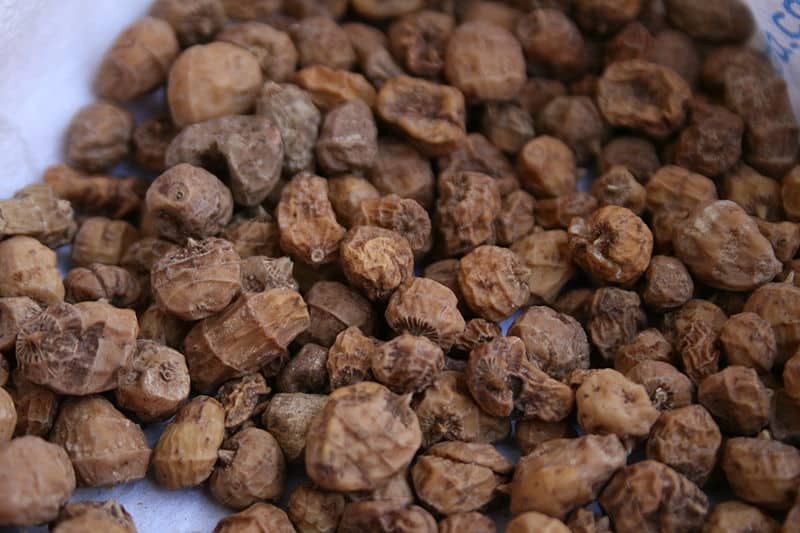
Kola nuts are the seeds of the kola tree (Cola nitida and Cola acuminata), native to tropical West Africa. They are widely known as a natural source of caffeine and have been used in traditional ceremonies and as flavoring agents in beverages for centuries. The characteristic bitter taste comes from the high concentration of alkaloids present in the nut.
According to Medical News Today, kola nuts contain approximately 2 to 3 percent caffeine and 1 to 2 percent theobromine. While these percentages may sound small, they are significant for a rabbit. A rabbit's body weight typically ranges from 1 to 5 kilograms for most domestic breeds, and their metabolism processes stimulants very differently than human metabolism does.
Caffeine Toxicity in Rabbits
Caffeine is a central nervous system stimulant that rabbits are not equipped to process. When a rabbit ingests caffeine, the compound is absorbed rapidly through the gastrointestinal tract and begins stimulating the heart and nervous system within minutes. Unlike humans, rabbits lack the efficient liver enzymes needed to break down and eliminate caffeine quickly, meaning it lingers in their system much longer and at higher effective concentrations.
The effects of caffeine in rabbits include:
- Rapid heart rate (tachycardia)
- Restlessness and hyperactivity
- Muscle tremors and twitching
- Elevated body temperature (hyperthermia)
- Seizures in severe cases
Theobromine Toxicity in Rabbits
Theobromine is the same compound that makes chocolate dangerous for rabbits and other small animals. It acts as a cardiac stimulant and mild diuretic. The toxic dose of theobromine in rabbits can be as low as 1 gram, which means even a small piece of kola nut could push a rabbit into dangerous territory.
Theobromine toxicity causes:
- Irregular heartbeat (arrhythmia)
- Vomiting and nausea
- Internal bleeding in severe cases
- Cardiac arrest at high doses
- Death if untreated
The combination of both caffeine and theobromine in kola nuts makes them doubly dangerous. These two compounds amplify each other's effects, creating a synergistic toxic reaction that can overwhelm a rabbit's small body very quickly.
What Happens If a Rabbit Eats Kola Nuts?
If your rabbit has eaten kola nuts, you need to act fast. The timeline from ingestion to symptoms can be rapid, sometimes as little as 30 minutes to 2 hours depending on the amount consumed and the size of your rabbit.
Early Symptoms (Within 1 to 2 Hours)
The first signs of kola nut poisoning are often behavioral. Your rabbit may become unusually restless, pacing around their enclosure or refusing to settle down. You might also notice:
- Rapid breathing
- Wide, alert eyes with dilated pupils
- Refusal to eat or drink
- Excessive grooming or fidgeting
Moderate Symptoms (2 to 4 Hours)
As the toxins are further absorbed, more concerning symptoms develop:
- Visible trembling or shaking
- Elevated body temperature (the ears may feel unusually hot)
- Diarrhea or soft, watery droppings
- Agitation and possible aggression when handled
Severe Symptoms (4+ Hours or High Doses)
At this stage, the situation becomes life-threatening:
- Seizures or convulsions
- Collapse or inability to stand
- Labored or irregular breathing
- Loss of consciousness
- Cardiac arrest
Do not wait for severe symptoms to appear before seeking help. Any amount of kola nut warrants an immediate veterinary call.
What to Do If Your Rabbit Ate Kola Nuts
Time is critical when dealing with kola nut ingestion. Follow these steps immediately:
- Remove any remaining kola nut from your rabbit's enclosure and reach. Check for crumbs or fragments your rabbit might continue to nibble on.
- Call your veterinarian or emergency animal clinic right away. Describe what your rabbit ate, approximately how much, and when the ingestion occurred.
- Do not attempt to induce vomiting. Rabbits are physically incapable of vomiting, so attempting any home remedy for this purpose is both useless and potentially harmful.
- Keep your rabbit calm and warm. Place them in a quiet, dimly lit area to reduce stimulation while you wait for veterinary guidance.
- Monitor symptoms closely. Note the time symptoms begin and their severity so you can report accurately to your vet.
- Offer fresh water. While your rabbit may not drink, having water available is important in case they do.
Your veterinarian may administer activated charcoal to absorb remaining toxins, provide IV fluids to support kidney function, or use medications to control heart rate and prevent seizures. The prognosis depends heavily on how quickly treatment begins.
Why Kola Nuts Are Worse Than Most Unsafe Foods
Many foods on the "do not feed" list for rabbits cause digestive upset or nutritional imbalances. Kola nuts are in a different category entirely. While something like most nuts pose choking and digestive risks, kola nuts present a direct toxicological threat.
| Food | Primary Risk | Severity | Any Safe Amount? |
|---|---|---|---|
| Kola nuts | Caffeine + theobromine toxicity | Life-threatening | No |
| Chocolate | Theobromine toxicity | Life-threatening | No |
| Almonds | High fat, choking hazard | Moderate | No |
| Chestnuts | High starch, digestive upset | Moderate | Not recommended |
| Cashews | High fat, GI issues | Moderate | No |
The dual presence of caffeine and theobromine is what sets kola nuts apart. Most other nuts that are dangerous for rabbits cause problems through fat content, choking hazards, or digestive blockages. Kola nuts attack the cardiovascular and nervous systems directly.
Can Rabbits Eat Any Part of the Kola Tree?
No part of the kola tree should be considered safe for rabbits. The nuts contain the highest concentration of toxic alkaloids, but the leaves and bark of the kola tree also contain caffeine and theobromine in lower amounts. If you have a kola tree in your yard or garden, ensure your rabbit cannot access any fallen nuts, leaves, or bark.
This applies to all forms of kola nut as well:
- Fresh kola nuts: Toxic. The highest concentration of active compounds.
- Dried kola nuts: Toxic. Drying concentrates the caffeine and theobromine per gram.
- Kola nut powder: Toxic. Even more concentrated and easier for a rabbit to accidentally ingest.
- Kola nut extract: Toxic. Used in beverages and supplements, these are highly concentrated.
- Products containing kola nut: Toxic. Energy drinks, some sodas, and supplements containing kola nut extract should never be given to rabbits.
Gastrointestinal Stasis From Kola Nut Ingestion
Beyond the stimulant toxicity, kola nuts can also trigger gastrointestinal (GI) stasis in rabbits. GI stasis occurs when the normal movement of the digestive tract slows down or stops completely, allowing harmful bacteria to build up and produce painful gas.
Kola nuts can trigger GI stasis through two pathways. First, the stress response caused by caffeine and theobromine disrupts normal gut motility. Second, the nut itself is high in carbohydrates and low in fiber, which is the opposite of what a rabbit's digestive system needs to function properly.
Signs of GI stasis to watch for include:
- Small, hard droppings or no droppings at all
- Hunched posture with a tucked abdomen
- Teeth grinding (bruxism), which indicates pain
- Complete loss of appetite
- Bloated or tight-feeling abdomen
GI stasis is a veterinary emergency on its own. Combined with stimulant toxicity from kola nuts, it creates a compounded crisis that requires immediate professional intervention.
Safe Treat Alternatives for Rabbits
If you were considering kola nuts as a treat for your rabbit, there are many safer options that rabbits genuinely enjoy. A rabbit's diet should consist primarily of unlimited timothy hay, which forms the foundation of healthy rabbit nutrition, supplemented with fresh leafy greens and a small amount of pellets.
For occasional treats (one to two times per week, in small portions), consider these safe fruits:
| Safe Fruit Treat | Portion Size | Frequency |
|---|---|---|
| Apple (seedless) | 1 to 2 thin slices | 1 to 2 times per week |
| Blueberries | 2 to 3 berries | 1 to 2 times per week |
| Strawberries | 1 medium berry | 1 to 2 times per week |
| Banana | 1 inch slice | Once per week |
| Papaya | 1 tablespoon | 1 to 2 times per week |
| Pear (seedless) | 1 to 2 thin slices | 1 to 2 times per week |
For daily healthy additions to your rabbit's diet, fresh herbs and leafy greens are excellent choices. Basil, cilantro, parsley, and mint are all safe herbs that most rabbits love. Leafy greens like romaine lettuce, kale, and dandelion greens provide essential nutrients without the sugar content of fruits.
Preventing Accidental Kola Nut Exposure
Prevention is always better than treatment, especially with a food this dangerous. Here are practical steps to keep your rabbit safe:
- Store kola nuts securely. If you keep kola nuts in your home for personal use, store them in sealed containers in cabinets your rabbit cannot access.
- Check your garden. If you live in a tropical climate where kola trees grow, ensure your rabbit's outdoor exercise area is well away from any kola trees.
- Educate household members. Make sure everyone in your home knows that kola nuts are toxic to rabbits. This is especially important with children who might try to share foods with pets.
- Be cautious with supplements. Some herbal supplements and energy products contain kola nut extract. Keep these stored safely away from your rabbit.
- Monitor free-roam time. If your rabbit has free roam of any rooms, check for dropped food items regularly. A curious rabbit will investigate and taste almost anything.
How Kola Nut Toxicity Compares to Other Stimulant Foods
Rabbits are strict herbivores with a digestive system built for high-fiber, low-energy foods like grass and hay. Their bodies have no natural mechanism for processing stimulants like caffeine or theobromine. To put this in perspective, a 2-kilogram rabbit that eats just 5 grams of kola nut could ingest roughly 100 to 150 milligrams of caffeine. For a rabbit of that size, this represents an enormous dose relative to body weight.
Compare this to other foods that contain stimulants:
| Food | Caffeine Content | Theobromine Content | Risk Level for Rabbits |
|---|---|---|---|
| Kola nut (per 10g) | 200-300mg | 100-200mg | Extremely high |
| Dark chocolate (per 10g) | 8-12mg | 50-80mg | Very high |
| Coffee beans (per 10g) | 100-120mg | Trace | Very high |
| Green tea leaves (per 10g) | 20-35mg | Trace | High |
As this table shows, kola nuts have the highest combined concentration of both stimulants. This makes them one of the most dangerous accidental ingestions a pet rabbit can encounter. Even foods that are commonly known to be harmful, like dark chocolate, contain lower concentrations of these toxic compounds per gram.
Frequently Asked Questions
Can even a tiny piece of kola nut hurt my rabbit?
Yes. Kola nuts contain 2 to 3 percent caffeine and 1 to 2 percent theobromine. Given a rabbit's small body weight, even a tiny fragment can deliver a proportionally large dose of these toxic stimulants. There is no established safe threshold for rabbits, so any amount should be treated as potentially dangerous.
Are kola nuts more dangerous than chocolate for rabbits?
Kola nuts are comparably dangerous. Both contain theobromine, but kola nuts also have a higher caffeine concentration. The combination of two stimulants makes kola nuts at least as dangerous as dark chocolate, and potentially more harmful gram for gram depending on the specific nut.
How quickly will symptoms appear after a rabbit eats kola nuts?
Symptoms can appear within 30 minutes to 2 hours after ingestion. Early signs include restlessness, rapid breathing, and refusal to eat. More severe symptoms like trembling, seizures, and cardiac issues can develop within 2 to 6 hours. Do not wait for symptoms before contacting your veterinarian.
Can my vet save my rabbit after kola nut ingestion?
With prompt treatment, many rabbits can recover from kola nut ingestion. Veterinarians may use activated charcoal to absorb toxins, IV fluids to support organ function, and medication to stabilize heart rate. The key factor in survival is how quickly treatment begins after ingestion.
What other nuts should I keep away from my rabbit?
All nuts should be kept away from rabbits. Almonds, walnuts, cashews, pecans, macadamia nuts, brazil nuts, hazelnuts, and pine nuts all pose health risks ranging from high fat content and digestive blockages to choking hazards. Stick to hay, leafy greens, and small amounts of safe fruits as treats instead.
Cite this article:
Cite this article:
BunnySync (March 20, 2026) Can Rabbits Eat Kola Nuts?. Retrieved from https://bunnysync.com/blog/can-rabbits-eat-kola-nuts.
"Can Rabbits Eat Kola Nuts?." BunnySync - March 20, 2026, https://bunnysync.com/blog/can-rabbits-eat-kola-nuts