Yes, rabbits can eat ice, and it is completely safe as long as you stick to plain, unflavored ice cubes. Ice can help your rabbit cool down during hot weather by giving them something cold to lick or nudge. Many breeders place ice cubes in water bowls or offer them directly on hot days. However, flavored ice, ice pops, and any frozen treats containing sugar or additives should never be given to rabbits. Their digestive systems cannot process sugar or dairy, and even small amounts can cause serious gastrointestinal problems.
Rabbits regulate body temperature differently than humans do. They lack the ability to sweat and rely on their ears and breathing rate to dissipate heat. When ambient temperatures climb above the ideal temperature range for rabbits, which sits between 60 and 70 degrees Fahrenheit (15 to 21 degrees Celsius), ice becomes a practical tool in your cooling strategy. Knowing when and how to offer ice safely can prevent heatstroke and keep your rabbit comfortable through the warmest months of the year.
Is It Safe for Rabbits to Eat or Lick Ice Cubes?
Plain ice cubes are nothing more than frozen water, so they pose no dietary risk to rabbits. There are no toxic compounds, no harmful additives, and no calories. When a rabbit licks an ice cube, it is simply consuming small amounts of water in a frozen form. The cold temperature can feel soothing, especially when a rabbit is overheated.
That said, there are a few safety considerations to keep in mind. Large ice cubes can be slippery, and a rabbit may try to bite down on one with enough force to chip a tooth. To reduce this risk, offer smaller ice cubes or crushed ice. You can also place ice cubes inside a ceramic bowl rather than directly on a slippery floor, giving your rabbit a stable surface to lick from.
Some rabbit owners worry about brain freeze. While rabbits can experience a brief cold sensation from eating ice too quickly, it is not dangerous. Your rabbit will likely pull away, shake its head, or hop off if the cold becomes uncomfortable. This is a natural response and nothing to worry about.
Why Would You Give a Rabbit Ice?
The primary reason to give a rabbit ice is temperature management. Rabbits are highly sensitive to heat. According to the PDSA (People's Dispensary for Sick Animals), rabbits can suffer from heatstroke when temperatures exceed 77 degrees Fahrenheit (25 degrees Celsius), and this condition can be fatal if not addressed quickly.
Signs of heat stress in rabbits include:
- Rapid, shallow breathing or open-mouth panting
- Wetness around the nose
- Hot, red ears
- Lethargy and reluctance to move
- Drooling or salivating
- Lying flat with limbs stretched out
If you notice any of these signs, offering ice cubes alongside other cooling measures can help bring your rabbit's body temperature down. Ice is not a cure for heatstroke on its own, but it is a useful part of a broader cooling strategy. A rabbit showing severe symptoms needs veterinary attention immediately.
How to Offer Ice to Your Rabbit Safely
Not all rabbits will show interest in ice cubes. Some will lick them eagerly, while others will sniff once and walk away. Here are several methods that work well based on our experience:
Ice Cubes in the Water Bowl
This is the simplest and most effective approach. Drop two or three ice cubes into your rabbit's water bowl to keep the water cool throughout the day. The ice melts gradually, maintaining a refreshing temperature without shocking your rabbit. This method works especially well because even rabbits that ignore standalone ice cubes will still benefit from cooler drinking water.
Plain Ice Cubes on a Plate
Place a few small ice cubes on a ceramic plate or tile in your rabbit's enclosure. The rabbit can approach and lick them at its own pace. Using a plate prevents the ice from sliding around on the cage floor and keeps the area relatively dry as the ice melts.
Frozen Vegetables
One of the best alternatives is freezing rabbit-safe vegetables. Small pieces of carrot, broccoli florets, or cucumber slices can be frozen and offered as cold treats. These give your rabbit something to chew on while also providing hydration and nutrition. Keep portions small, as the same feeding guidelines apply whether the vegetable is frozen or fresh.
Ice Bottles and Frozen Tiles
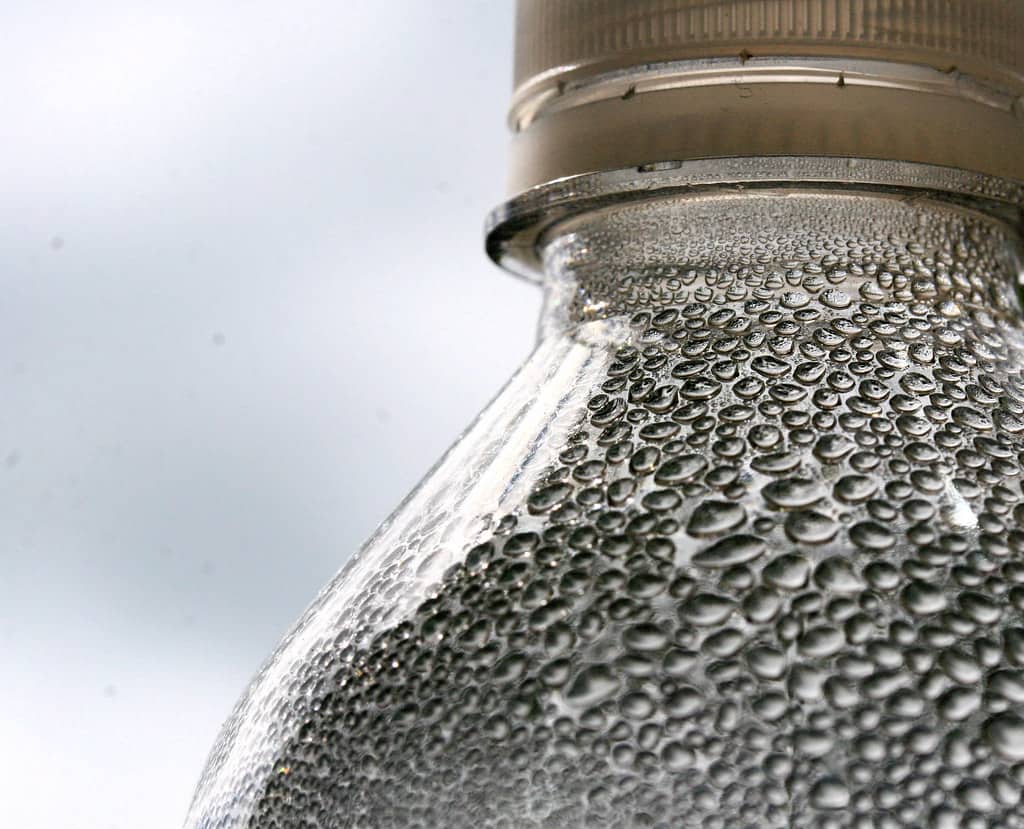
Fill a plastic water bottle about three-quarters full and freeze it overnight. Place the frozen bottle inside your rabbit's enclosure, wrapped in a thin towel if needed. Your rabbit can lean against it to cool down without having to eat or lick anything. Ceramic tiles can also be placed in the freezer for a few hours and then set in the enclosure for your rabbit to lie on.
Will Rabbits Intentionally Eat Ice?
This depends entirely on the individual rabbit's personality and preferences. Some rabbits are curious about ice cubes and will lick, nudge, and even try to pick them up. Others will completely ignore them, especially if they have never encountered ice before.
In our experience working with multiple rabbits over the years, roughly half will show some interest in ice cubes when the weather is warm. During cooler months, most rabbits have no interest at all, which makes sense since they do not need the cooling effect.
If your rabbit ignores ice cubes, do not force the issue. There are plenty of other ways to keep them cool, and some rabbits simply prefer other methods. The important thing is making sure your rabbit stays hydrated and comfortable. If you notice your rabbit drinking significantly more water than usual, this could indicate heat stress or an underlying health issue that needs attention.
What Types of Ice Should You Avoid?
While plain ice is safe, several types of ice and frozen treats are dangerous for rabbits:
| Type of Ice | Safe for Rabbits? | Reason |
|---|---|---|
| Plain water ice cubes | Yes | Just frozen water, no additives |
| Flavored ice cubes | No | May contain sugar, artificial sweeteners, or citric acid |
| Ice pops or popsicles | No | High sugar content causes digestive distress |
| Ice cream | No | Dairy and sugar are both harmful to rabbits |
| Frozen juice | No | Concentrated sugars can trigger GI stasis |
| Ice with added minerals or electrolytes | No | Additives may be toxic or cause kidney strain |
Rabbits have a delicate cecal fermentation system that relies on a high-fiber, low-sugar diet. Introducing sugar through flavored ice disrupts the bacterial balance in the cecum and can lead to GI stasis, a potentially life-threatening condition where the digestive system slows down or stops entirely.
How to Keep Your Rabbit Cool Without Ice
Ice is just one piece of the puzzle when it comes to keeping your rabbit cool during summer. Here are additional strategies that experienced breeders use:
Proper Ventilation and Shade
Never place your rabbit's enclosure in direct sunlight. If your rabbit lives outdoors, ensure the hutch is positioned in a shaded area that stays cool throughout the day. Indoor rabbits should be kept in air-conditioned rooms when possible. Good air circulation is essential, so consider placing a fan nearby (directed near the enclosure, not directly at the rabbit) to improve airflow.
Frozen Water Bottles
As mentioned above, frozen water bottles are one of the most reliable cooling tools. Your rabbit can choose to lean against the bottle when it feels warm and move away when it has cooled down enough. Replace the bottle with a fresh frozen one as it thaws.
Damp Towels
A damp (not soaking wet) towel draped over part of the enclosure or placed on the floor nearby creates a cooler microenvironment. Do not place a wet towel directly on your rabbit, as this can cause stress and may lead to skin issues if the fur stays damp for too long.
Hydrating Foods
Offer water-rich vegetables during hot days. Cucumbers, celery, and leafy greens have high water content and help keep your rabbit hydrated from the inside. These foods supplement your rabbit's water intake without replacing it. Always ensure fresh, clean water is available at all times, as rabbits can die without water in as little as 24 hours.
Ceramic and Stone Tiles
Ceramic tiles naturally stay cooler than other surfaces. Place a few untreated ceramic tiles in your rabbit's enclosure for them to lie on. You can also chill them in the refrigerator or freezer before placing them in the cage for extra cooling.
Misting the Ears
Rabbits lose heat primarily through their ears. Gently misting the outer surface of your rabbit's ears with cool (not cold) water can help lower body temperature quickly. Use a spray bottle set to a fine mist, and avoid getting water inside the ear canal.
Can Ice Cubes Damage a Rabbit's Teeth?
Rabbit teeth grow continuously throughout their lives, so they are designed for constant grinding and chewing. However, ice cubes are extremely hard, and biting down forcefully on a large ice cube could theoretically chip or crack a tooth. This risk is low but worth noting.
To minimize any risk, offer crushed ice or small ice chips rather than large cubes. Most rabbits will lick ice rather than bite it, which eliminates the tooth concern entirely. If your rabbit is an aggressive chewer, frozen vegetables are a safer alternative that still provides the cooling benefit.
How Much Ice Can You Give a Rabbit?
There is no strict limit on how many ice cubes a rabbit can lick, since ice is just water. However, moderation is still a good practice. Two to four small ice cubes per session is plenty for most rabbits. If you are adding ice to the water bowl, three to five cubes will keep the water cool for several hours without making it uncomfortably cold.
Avoid filling the entire water bowl with ice, as some rabbits may refuse to drink if the water is too cold. The goal is to bring the water temperature down slightly, not to make it ice-cold. Room temperature water with a few ice cubes floating in it is ideal.
Signs Your Rabbit Is Overheating and Needs Help
Recognizing heat stress early can save your rabbit's life. Here is what to watch for, organized by severity:
Mild Heat Stress
- Ears feel warmer than usual
- Slightly increased breathing rate
- Less active than normal
- Seeking out cool spots in the enclosure
Moderate Heat Stress
- Visibly rapid breathing
- Ears are hot and reddened
- Wetness around the nose
- Lying flat with legs extended
- Reduced appetite
Severe Heatstroke (Emergency)
- Open-mouth breathing or panting
- Drooling
- Confusion or unresponsiveness
- Convulsions or trembling
- Collapse
For mild heat stress, move your rabbit to a cooler area, offer ice water, and use the cooling methods described above. For moderate to severe symptoms, begin cooling immediately and contact your veterinarian. Do not submerge your rabbit in cold water, as the sudden temperature change can cause shock.
Frequently Asked Questions
Can rabbits eat ice cream?
No, rabbits should never eat ice cream. It contains dairy and sugar, both of which are harmful to a rabbit's digestive system. Even a small amount can disrupt the gut flora and cause diarrhea, bloating, or GI stasis. Stick to plain ice cubes if you want to offer your rabbit something cold.
Can rabbits eat ice lollies or popsicles?
No, commercial ice lollies and popsicles are loaded with sugar, artificial colors, and flavorings that are unsafe for rabbits. If you want to make a rabbit-safe frozen treat, freeze small pieces of carrot, cucumber, or a sprig of parsley in plain water. This gives your rabbit a fun, cooling snack without any harmful ingredients.
Can rabbits get brain freeze from eating ice?
Rabbits can experience a brief cold sensation similar to brain freeze when they lick ice quickly. The typical response is to pull away, shake the head, or hop off briefly before returning. It is not dangerous and resolves on its own within seconds. Most rabbits learn to pace themselves after one experience.
Is it okay to put ice cubes in my rabbit's water bottle?
You can put small ice cubes in a water bottle, but they may block the spout as they melt unevenly. A water bowl is a better option for adding ice because the cubes can float freely and the rabbit can drink around them. If you use a bottle, check regularly to make sure water is still flowing properly.
How often should I give my rabbit ice in summer?
On hot days when temperatures exceed 75 degrees Fahrenheit, you can offer ice cubes once or twice daily. Add fresh ice to the water bowl in the morning and again in the afternoon. There is no risk of overuse since ice is just water, but always ensure your rabbit also has access to room-temperature water so it can choose what it prefers.
Cite this article:
Cite this article:
BunnySync (March 15, 2026) Can Rabbits Eat Ice? Safe Cooling Guide for Hot Weather. Retrieved from https://bunnysync.com/blog/can-rabbits-eat-ice.
"Can Rabbits Eat Ice? Safe Cooling Guide for Hot Weather." BunnySync - March 15, 2026, https://bunnysync.com/blog/can-rabbits-eat-ice
Sources and further reading
- Buseth, Marit Emilie., and Richard A. Saunders. Rabbit Behaviour, Health, and Care. CABI, 2014.
- Lebas, F. The Rabbit: Husbandry, Health, and Production. Food and Agriculture Organization of the United Nations, 1997.
- Patry, Karen, et al. The Rabbit-Raising Problem Solver: Your Questions Answered about Housing, Feeding, Behavior, Health Care, Breeding, and Kindling. Storey Publishing, 2014.
- Heatstroke in rabbits - PDSA
Image credit - "water bottle" by Muffet is licensed under CC BY 2.0