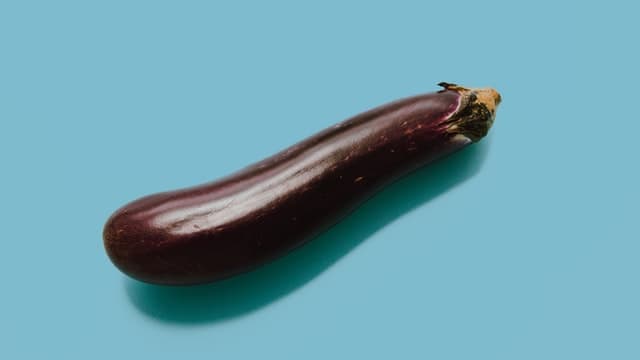
Yes, rabbits can eat eggplant flesh in small amounts, but the leaves, stems, and tops of the eggplant plant are toxic and must never be fed to rabbits. Eggplant (Solanum melongena) belongs to the nightshade family, which means certain parts of the plant contain solanine and other glycoalkaloids that are harmful to rabbits. The fruit itself is low in calories and provides minimal nutrition compared to other safe vegetables for rabbits, so it works best as an occasional treat rather than a dietary staple.
As breeders, we rarely reach for eggplant when planning our rabbits' vegetable rotation. The nutritional payoff is low, the toxic plant parts create a real safety risk if you grow eggplant in your garden, and most rabbits simply turn their noses up at it. That said, eggplant is not off limits entirely. Here is everything you need to know about feeding eggplant to your rabbit safely.
Is Eggplant Safe for Rabbits to Eat?
The flesh of the eggplant fruit is safe for rabbits when given in moderation. It contains no compounds that are toxic to rabbits at normal serving sizes. However, you need to be very careful about which parts of the eggplant you offer.
Eggplant is a member of the Solanaceae family, which also includes tomatoes, potatoes, and bell peppers. All nightshade plants produce glycoalkaloids as a natural defense against insects and animals. In eggplant, the concentration of these compounds is highest in the leaves, stems, and calyx (the green top attached to the fruit).
Parts of Eggplant That Are Safe
- Eggplant flesh (the purple or white interior): Safe in small amounts
- Eggplant skin: Safe, but wash thoroughly to remove pesticide residue
Parts of Eggplant That Are Toxic
- Eggplant leaves: Contain high levels of solanine. Never feed these to rabbits.
- Eggplant stems: Also high in glycoalkaloids. Discard before feeding.
- The calyx (green top): Remove completely before offering any eggplant to your rabbit.
- Eggplant flowers: Not safe for rabbits. Avoid entirely.
According to the Merck Veterinary Manual, solanine ingestion in small animals can cause gastrointestinal distress, drooling, lethargy, and in severe cases, neurological symptoms. If your rabbit accidentally eats eggplant leaves or stems, contact your veterinarian immediately.
Do Rabbits Like Eating Eggplant?
Most rabbits are not interested in eggplant. In our experience and based on conversations with other breeders, the majority of rabbits will sniff eggplant and walk away. The texture is spongy when raw, and the flavor is relatively bland compared to leafy greens or sweeter vegetables that rabbits naturally prefer.
Some rabbits will nibble on eggplant if offered, but it is rarely a favorite. If your rabbit ignores eggplant, do not force it. There are plenty of more nutritious and appealing vegetable options available. If your rabbit does enjoy eggplant, treat it as an occasional addition to their diet rather than a regular feature.
Nutritional Value of Eggplant for Rabbits
One of the main reasons eggplant is not a top-choice vegetable for rabbits is its relatively low nutritional profile. Per 100 grams of raw eggplant, the nutritional breakdown is:
| Nutrient | Amount per 100g | Relevance to Rabbits |
|---|---|---|
| Calories | 25 kcal | Very low energy content |
| Water | 92.3g | Good for hydration |
| Fiber | 3.0g | Moderate, but hay is far superior |
| Sugar | 3.53g | Higher than ideal for regular feeding |
| Protein | 0.98g | Minimal contribution |
| Calcium | 9mg | Very low (good for avoiding bladder sludge) |
| Phosphorus | 24mg | Low |
| Vitamin C | 2.2mg | Rabbits produce their own vitamin C |
| Vitamin B6 | 0.084mg | Small but useful amount |
| Vitamin A | 23 IU | Negligible |
Source: USDA FoodData Central
Compared to leafy greens like cilantro, parsley, or romaine lettuce, eggplant offers far less vitamin A, vitamin K, and overall mineral content. The relatively higher sugar content (3.53g per 100g) also means it should be treated more like a limited treat than a daily vegetable rotation item.
The one positive aspect is eggplant's very low calcium content. For rabbits prone to urinary issues or calcium buildup, eggplant will not contribute to bladder sludge. But this alone does not make it a nutritionally valuable food choice.
How Much Eggplant Can a Rabbit Eat?
If you choose to feed eggplant to your rabbit, portion control is essential. Because eggplant is classified as a non-leafy vegetable, it should make up only a small portion of the overall vegetable allowance in your rabbit's diet.
The general guideline for vegetables is about 1 tablespoon of non-leafy vegetables per 2 pounds of body weight per day. For eggplant specifically, we recommend staying on the conservative side:
| Rabbit Size | Body Weight | Maximum Eggplant per Serving |
|---|---|---|
| Small breeds (Netherland Dwarf, Mini Rex) | 1.5 to 3.5 lbs | 1 to 2 small cubes (about 15g) |
| Medium breeds (Dutch, Mini Lop, Rex) | 4 to 8 lbs | 2 to 3 small cubes (about 25g) |
| Large breeds (Flemish Giant, New Zealand) | 9 to 14 lbs | 3 to 5 small cubes (about 40g) |
These serving sizes assume eggplant is the only non-leafy vegetable being offered that day. If you are feeding eggplant alongside other non-leafy vegetables like zucchini or bell peppers, reduce the eggplant portion accordingly.
Important Feeding Rules
- Age requirement: Only offer eggplant to rabbits that are at least 7 months old. Younger rabbits have more sensitive digestive systems and should stick to hay, pellets, and gradually introduced leafy greens.
- Introduce slowly: The first time you offer eggplant, give a single small cube and wait 24 hours. Watch for changes in stool consistency, appetite, or behavior.
- Maximum frequency: Offer eggplant no more than 1 to 2 times per week. This is not a daily vegetable.
- Always wash thoroughly: Eggplant skin can carry pesticide residue. Wash under running water and consider buying organic if available.
- Remove all green parts: Cut away the calyx and any stem before serving. These parts contain concentrated solanine.
How to Prepare Eggplant for Your Rabbit
Proper preparation is critical when feeding eggplant because of the toxic plant parts that must be removed. Follow these steps every time:
- Wash the eggplant under cool running water, scrubbing the skin gently to remove dirt and pesticide residue.
- Cut off the green calyx and stem completely. Do not leave any green parts attached.
- Slice the eggplant and cut it into small, bite-sized cubes appropriate for your rabbit's size.
- Serve raw. Never cook, season, or oil eggplant for rabbits. Cooked eggplant has a different texture and cooked foods are not appropriate for a rabbit's digestive system.
- Remove uneaten pieces within 2 to 3 hours. Raw eggplant oxidizes and spoils quickly at room temperature.
Do not freeze eggplant and then serve it thawed, as the texture becomes mushy and unappetizing. Fresh, raw eggplant is the only appropriate form for rabbits.
Risks of Feeding Too Much Eggplant to Rabbits
While the eggplant fruit is safe in moderation, overfeeding carries real risks that every rabbit owner should understand:
Gastrointestinal Stasis (GI Stasis)
GI stasis is the number one dietary risk for rabbits. It occurs when the digestive system slows down or stops entirely, and it can be fatal if not treated quickly. Feeding too much eggplant at the expense of hay reduces fiber intake, which is the primary driver of gut motility in rabbits. A rabbit's diet should be at least 80% hay by volume to keep the gut moving properly.
Diarrhea and Soft Cecotropes
Introducing eggplant too quickly or feeding large portions can trigger diarrhea or abnormally soft cecotropes. True diarrhea in rabbits (watery stool) is a veterinary emergency. Soft, mushy cecotropes that go uneaten are a sign that the diet contains too much sugar or moisture and not enough fiber.
Weight Gain and Obesity
Eggplant contains 3.53 grams of sugar per 100 grams. While this is not extremely high, regularly feeding eggplant in large quantities alongside other sugary vegetables and fruits can contribute to weight gain. Older rabbits with slower metabolisms are especially vulnerable. Obesity in rabbits leads to joint problems, hepatic lipidosis (fatty liver disease), and reduced grooming ability.
Solanine Exposure
If green parts of the eggplant are accidentally included, your rabbit may ingest solanine. Symptoms of solanine poisoning include drooling, loss of appetite, diarrhea, weakness, and in severe cases, tremors or difficulty breathing. Even small amounts of the leaves or stems should be treated seriously.
When to Avoid Feeding Eggplant Entirely
There are situations where eggplant should be completely off the menu:
- Rabbits under 7 months old: Their digestive systems are still developing. Stick to hay, age-appropriate pellets, and slowly introduced leafy greens.
- Rabbits with ongoing digestive issues: If your rabbit has soft stools, is not producing normal fecal pellets, or is showing signs of GI slowdown, remove all treats and non-essential vegetables. Feed only unlimited hay until digestion normalizes.
- Rabbits recovering from surgery: Post-operative rabbits need simple, fiber-rich diets. Eggplant is unnecessary and could complicate recovery.
- Pregnant or nursing does: These rabbits need maximum nutrition from proven food sources. Eggplant's low nutritional value makes it a poor choice during this critical period.
- Rabbits with known food sensitivities: Some rabbits react poorly to nightshade family vegetables. If your rabbit has had issues with tomatoes or peppers, skip eggplant as well.
If you notice any behavioral changes, reduced appetite, or stool changes after feeding eggplant, stop immediately and return to a hay-only diet for 24 to 48 hours. Contact your veterinarian if symptoms persist.
Better Vegetable Alternatives to Eggplant
Since eggplant offers limited nutritional value and carries the risk of toxic plant parts, consider these safer, more nutritious alternatives for your rabbit's vegetable rotation:
| Vegetable | Key Benefits | Feeding Frequency |
|---|---|---|
| Cilantro | Rich in vitamins A and K, low calcium | Daily |
| Parsley | High in vitamin C and iron | 2 to 3 times per week |
| Bell peppers | High in vitamin C, crunchy texture | Daily (remove seeds) |
| Romaine lettuce | Hydrating, good fiber content | Daily |
| Basil | Aromatic, high in vitamin K | 2 to 3 times per week |
| Zucchini | Low sugar, good hydration | 2 to 3 times per week |
| Kale | Nutrient dense (limit due to calcium) | 1 to 2 times per week |
A good vegetable rotation includes 3 to 5 different vegetables daily, with the majority being leafy greens. Non-leafy vegetables like eggplant, zucchini, and bell peppers should be secondary additions, not the foundation of the vegetable portion of the diet.
Eggplant and Garden Safety for Rabbit Owners
If you grow eggplant in your garden and your rabbits have outdoor access, you need to take precautions. Eggplant plants are a real hazard because rabbits may chew on the leaves or stems while foraging, not realizing these parts are toxic.
Garden Safety Tips
- Fence off eggplant plants with rabbit-proof wire mesh (1-inch gaps or smaller).
- Supervise outdoor time if eggplant is growing anywhere in the yard.
- Remove fallen leaves from the ground regularly, especially during growing season.
- Store harvested eggplant out of reach. Rabbits can chew through plastic bags to reach food.
- Be aware of other nightshades in your garden, including tomato plants, potato plants, and ornamental nightshade. All of these carry similar solanine risks.
If you suspect your rabbit has eaten eggplant leaves or stems from the garden, do not wait for symptoms to appear. Contact your veterinarian or an emergency animal poison line right away.
Comparing Eggplant to Other Nightshade Vegetables
Since eggplant belongs to the nightshade family, it is worth comparing it to other nightshades that rabbit owners commonly ask about:
| Nightshade Vegetable | Fruit/Flesh Safe? | Leaves/Stems Safe? | Notes |
|---|---|---|---|
| Eggplant | Yes (small amounts) | No (toxic) | Low nutrition, most rabbits dislike it |
| Tomato | Yes (small amounts) | No (toxic) | High sugar, remove seeds |
| Bell pepper | Yes (daily safe) | No (toxic) | Best nightshade option for rabbits |
| Potato | No (high starch) | No (toxic) | Avoid entirely, both raw and cooked |
Bell peppers are by far the safest and most nutritious nightshade vegetable for rabbits. If you are looking for variety in the nightshade family, bell peppers should be your first choice over eggplant.
Frequently Asked Questions
Can rabbits eat eggplant skin?
Yes, rabbits can eat eggplant skin safely. The skin is not toxic and contains some fiber. Wash the eggplant thoroughly before serving to remove any pesticide residue, and only offer it in small portions as part of an occasional treat.
Can rabbits eat eggplant leaves?
No, eggplant leaves are toxic to rabbits and should never be fed to them. The leaves contain solanine and other glycoalkaloids that can cause digestive distress, drooling, weakness, and potentially serious neurological symptoms even in small amounts.
Can rabbits eat cooked eggplant?
No, rabbits should never eat cooked eggplant. Cooked foods are not part of a rabbit's natural diet, and cooking changes the texture and fiber structure in ways that can disrupt digestion. Always serve eggplant raw, plain, and without any oil, seasoning, or salt.
Can baby rabbits eat eggplant?
No, rabbits under 7 months old should not eat eggplant. Young rabbits have developing digestive systems that are best supported by unlimited hay, age-appropriate pellets, and water. Begin introducing vegetables slowly after 3 months, starting with leafy greens before trying non-leafy options like eggplant.
What should I do if my rabbit ate eggplant leaves?
Contact your veterinarian immediately. Eggplant leaves contain toxic glycoalkaloids that can cause gastrointestinal upset, lethargy, and neurological problems. Do not wait for symptoms to appear. Provide fresh hay and water while you seek veterinary guidance.
Cite this article:
BunnySync (March 20, 2026) Can Rabbits Eat Eggplant? Safe Feeding Guide for 2026. Retrieved from https://bunnysync.com/blog/can-rabbits-eat-eggplant.
"Can Rabbits Eat Eggplant? Safe Feeding Guide for 2026." BunnySync - March 20, 2026, https://bunnysync.com/blog/can-rabbits-eat-eggplant