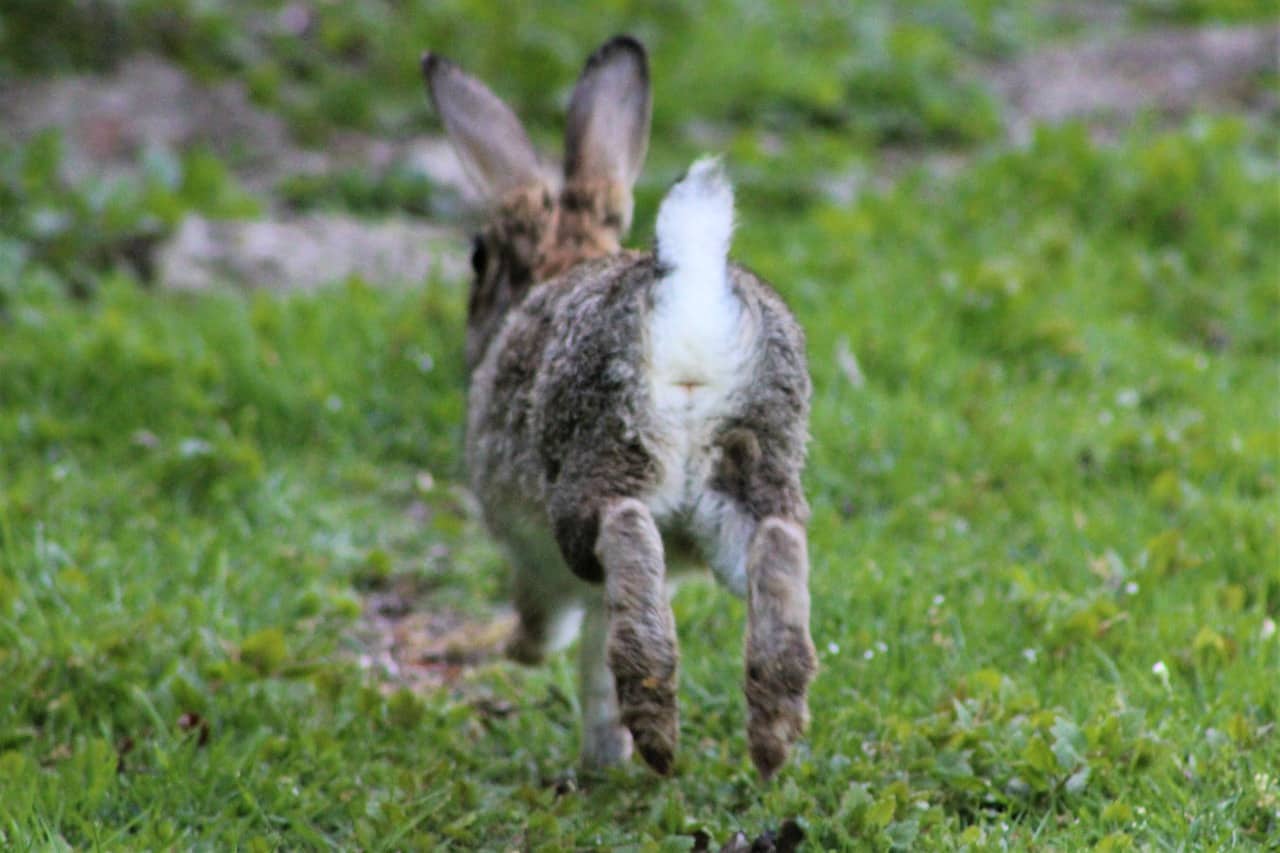
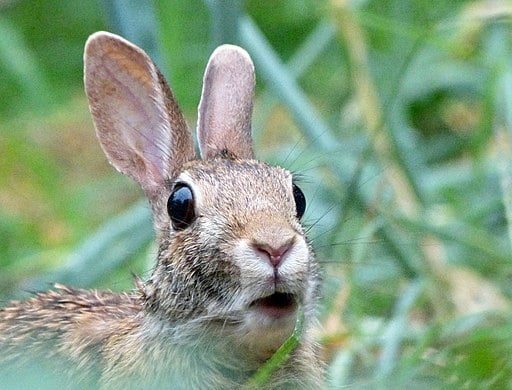
Rabbits are important to the ecosystem because they enrich soil through their nutrient-dense droppings, serve as a critical food source for dozens of predator species, control invasive vegetation through grazing, and promote plant diversity by spreading seeds across wide areas. Without rabbits, entire food chains would collapse, soil quality would decline, and landscapes would look dramatically different.
As breeders, we often focus on genetics, diet, and housing. But understanding how rabbits fit into the broader natural world gives us a deeper appreciation for these animals. Whether you keep rabbits as pets, raise them for meat, or simply enjoy watching wild cottontails in your yard, their ecological role is far more significant than most people realize.
How Do Rabbits Benefit the Ecosystem?
Rabbits are considered a keystone species in many habitats around the world. A keystone species is one whose impact on the ecosystem is disproportionately large relative to its population size. Remove rabbits from an environment, and the effects ripple outward through soil health, plant communities, and predator populations.
Let's break down each ecological benefit in detail.
How Does Rabbit Manure Improve Soil Quality?
One of the most overlooked contributions rabbits make to the environment is soil enrichment. Rabbit droppings are among the most nutrient-rich forms of animal manure found in nature.
According to Michigan State University Extension, rabbit manure contains approximately four times the nutrients found in cow or horse manure and roughly twice the nutrients found in chicken manure. Specifically, rabbit droppings are rich in nitrogen, phosphorus, and potassium, the three primary nutrients that plants need to thrive.
What makes rabbit manure particularly valuable is that it is a "cold" fertilizer. Unlike chicken or horse manure, rabbit droppings can be applied directly to soil without composting first. They will not burn plant roots, which makes them exceptionally useful in both wild ecosystems and garden settings.
Daily Output Adds Up Quickly
A single rabbit produces between 200 and 300 fecal pellets per day, along with roughly 120 to 130 ml per kilogram of body weight in urine daily. Wild rabbit populations number in the hundreds of millions globally. When you multiply that daily output across vast populations, the fertilizing effect on wild landscapes is enormous.
A 2008 study published in PubMed found that European rabbits are invaluable to the Western Mediterranean basin when it comes to soil fertility and plant growth. The researchers concluded that declining rabbit populations would trigger serious ecological consequences, including a potential negative cascading effect through entire food webs and plant communities.
Rabbits Create Natural Nutrient Cycles
Beyond the raw nutrient content, rabbits create efficient nutrient cycles in their habitats. They graze on vegetation in one area, then deposit droppings in another, effectively transporting nutrients across the landscape. Their latrine sites, where multiple rabbits repeatedly deposit droppings, become concentrated fertility hotspots that support lush plant growth.
These nutrient-rich patches attract insects and earthworms, which further break down the organic matter and improve soil structure. The entire process creates a positive feedback loop: better soil grows more plants, which feeds more rabbits, which produces more fertilizer.
Why Are Rabbits Critical as a Prey Species?
Rabbits sit near the base of countless food chains around the world. They are one of the most important prey species on Earth, supporting a staggering number of predator species that depend on them for survival.
Which Predators Depend on Rabbits?
According to the University of Kentucky, the eastern cottontail alone serves as prey for the following species:
| Predator Category | Species |
|---|---|
| Mammals | Foxes, coyotes, bobcats, weasels, minks, feral cats |
| Birds of Prey | Great horned owls, barred owls, red-tailed hawks, crows, eagles |
| Reptiles | Copperhead snakes, rat snakes, large constrictors |
| Humans | Hunters and farmers raising rabbits for meat |
Without rabbits, many of these predator species would face severe food shortages. Two of the most dramatic examples come from the Iberian Peninsula in Europe, where the European rabbit is native.
The Iberian Lynx and Spanish Imperial Eagle
The Iberian lynx, one of the world's most endangered cat species, relies on rabbits for roughly 75% to 100% of its diet depending on the season. When rabbit populations crashed in Spain and Portugal due to myxomatosis and rabbit hemorrhagic disease (RHD), the Iberian lynx population plummeted to fewer than 100 individuals by 2002.
The Spanish Imperial Eagle faces a similar dependency. Studies have shown that rabbit availability directly correlates with eagle breeding success. In years with low rabbit numbers, eagle pairs produce fewer chicks and sometimes fail to breed entirely.
These examples illustrate why conservation biologists often prioritize rabbit population recovery as a strategy for saving multiple endangered species at once.
How Do Rabbits Control Invasive Vegetation?
Rabbits are natural grazers, and their feeding habits play a surprisingly important role in controlling invasive plant species. In many ecosystems, certain aggressive plant species would dominate the landscape without herbivores to keep them in check.
Grazing Keeps Aggressive Plants in Check
New England cottontails, for example, help control exotic invasive shrubs including autumn olive, multiflora rose, Japanese barberry, buckthorn, and bush honeysuckle. These invasive species, if left unchecked, form dense thickets that crowd out native plants and reduce habitat quality for other wildlife.
By consistently grazing on new growth from these invasive species, rabbits act as natural landscapers. They prevent any single plant species from monopolizing resources like sunlight, water, and soil nutrients. This grazing pressure creates space for native plants to establish and thrive.
Grassland and Meadow Maintenance
In grassland ecosystems, rabbit grazing helps maintain the short, open vegetation structure that many ground-nesting birds and small mammals depend on. Without grazing pressure from rabbits and other herbivores, grasslands would gradually transition into scrubland and eventually forest through a process called ecological succession.
In the United Kingdom, where rabbits were introduced in the medieval period, their grazing has become so integrated into the landscape that removing them causes measurable changes in plant community composition within just a few years. Chalk grasslands, some of Britain's most biodiverse habitats, depend partly on rabbit grazing to maintain their characteristic low, flower-rich turf.
How Do Rabbits Promote Plant Diversity?
Beyond controlling invasive species, rabbits actively promote plant diversity through several mechanisms that work together to create healthier, more varied plant communities.
Seed Dispersal
Rabbits contribute to seed dispersal in two primary ways. First, seeds stick to their fur as they move through vegetation and are deposited in new locations as the rabbit travels. Second, some seeds pass through the rabbit's digestive system intact and are deposited in droppings far from the parent plant. This is called endozoochory, and it is an important mechanism for plant colonization of new areas.
Creating Light Gaps
When rabbits graze on dominant vegetation, they create light gaps that allow smaller, shade-intolerant plant species to germinate and grow. This is particularly important in dense grasslands and forest edges, where competition for light is intense. The result is a patchwork of different plant species at various growth stages, which ecologists call a "mosaic" habitat.
This mosaic structure supports far more biodiversity than a uniform landscape. Different insect species, birds, and small mammals prefer different vegetation heights and densities, so the varied habitat that rabbit grazing creates benefits entire animal communities.
Digging and Soil Disturbance
Wild rabbits, particularly European rabbits, are prolific diggers. Their warrens (underground burrow systems) create significant soil disturbance that benefits plant diversity. Freshly disturbed soil provides ideal germination conditions for pioneer plant species that cannot establish in dense, established vegetation. The mounds of excavated soil around warren entrances become micro-habitats with unique plant communities.
What Role Do Rabbits Play in Burrow Ecosystems?
Rabbit burrows serve far more species than just rabbits. They are used by a wide variety of animals as shelter, nesting sites, and hibernation spots. This makes rabbits what ecologists call "ecosystem engineers," species that physically modify their environment in ways that benefit other organisms.
Animals known to use abandoned rabbit warrens include:
- Burrowing owls
- Various snake species
- Lizards and skinks
- Spiders and beetles
- Small mammals like voles and mice
- Nesting birds that use burrow entrances for shelter
In arid environments, rabbit burrows also serve as important refuge sites during extreme heat, providing cooler temperatures and higher humidity than the surface. This microclimate benefit extends to invertebrates, amphibians, and reptiles that shelter in abandoned burrows.
Why Are Rabbits Important to Humans?
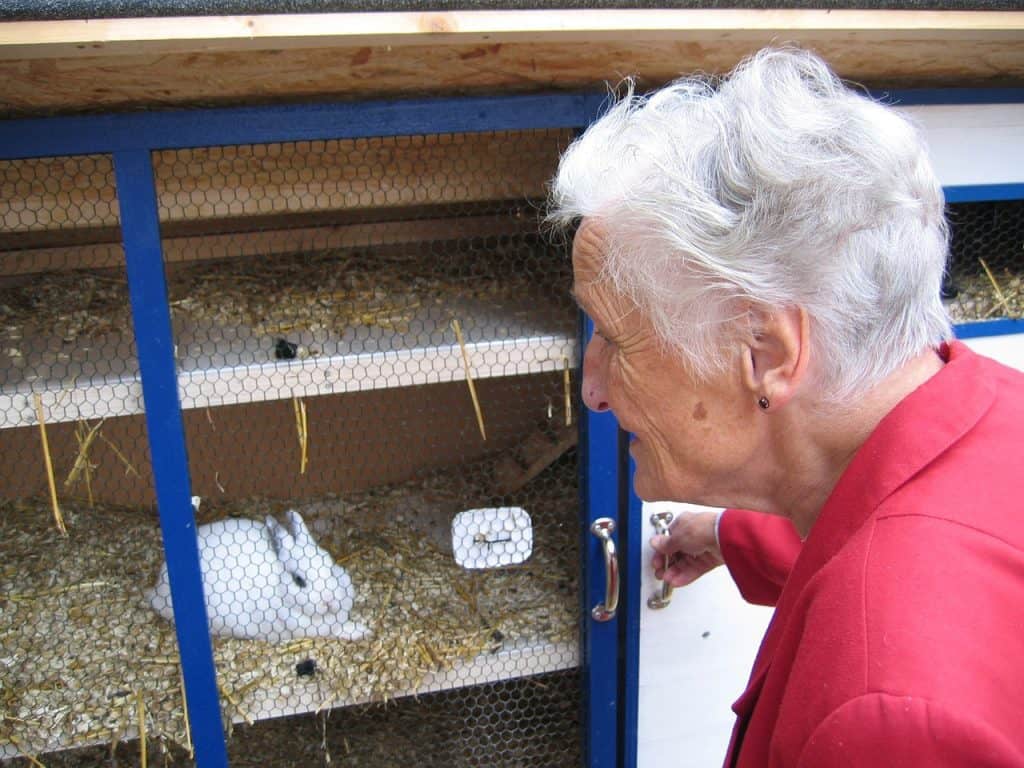
Rabbits have been intertwined with human civilization for thousands of years. From food and fiber to companionship and medical research, their importance to humans extends far beyond what most people appreciate.
Rabbits as Companion Animals
Contrary to the misconception that rabbits are aloof or unaffectionate, domestic rabbits form strong bonds with their owners once trust is established. In the wild, rabbits are highly social animals that spend hours grooming each other and resting in close physical contact. Pet rabbits transfer this social behavior to their human families.
Rabbits are also remarkably quiet compared to dogs or cats, making them ideal for apartment living. They can be happy and content in indoor settings with proper enrichment, and they naturally use litter boxes, which simplifies their care considerably.
Rabbits as a Sustainable Meat Source
Rabbit meat, known as "rabbit" in most English-speaking countries (though historically called "lapin" in culinary contexts), is one of the most nutritious and environmentally sustainable meats available.
Here is how rabbit meat compares nutritionally to other common proteins per 100-gram serving:
| Meat Type | Protein (g) | Fat (g) | Calories |
|---|---|---|---|
| Rabbit | 29.1 | 3.5 | 173 |
| Chicken breast | 27.3 | 3.6 | 165 |
| Turkey | 25.0 | 7.4 | 189 |
| Pork loin | 25.7 | 8.0 | 196 |
| Beef (lean) | 26.1 | 11.8 | 250 |
Rabbits are also far more efficient to raise than larger livestock. They convert feed to meat more efficiently than cattle, require minimal space, produce valuable manure, and reach market weight in just 8 to 12 weeks. For small-scale homesteaders and breeders, rabbits represent one of the most practical protein sources available.
Mental and Physical Health Benefits
Research from the Mental Health Foundation confirms that pet ownership, including rabbit keeping, provides measurable benefits for both mental and physical health:
- Reduced anxiety and stress through companionship and routine care
- Lower blood pressure associated with decreased stress levels from animal interaction
- Increased physical activity from daily feeding, cleaning, and play sessions
- Stronger social connections through rabbit owner communities and breed clubs
- Improved daily structure from the responsibility of regular feeding and care schedules
- Potential reduction in childhood allergies and eczema according to several longitudinal studies
Contributions to Medical Science
Rabbits have been instrumental in medical research for over a century. Their physiology shares enough similarities with humans that they serve as effective models for studying human diseases, including cardiovascular disease, eye conditions, and infectious diseases.
Louis Pasteur used rabbits in developing the rabies vaccine in 1881, saving countless human lives. Today, rabbits continue to play a role in vaccine development and testing, including research on HSV-1 virus infection, HIV-AIDS therapeutics, and various autoimmune conditions.
What Happens When Rabbit Populations Decline?
The consequences of rabbit population decline have been observed repeatedly in real-world scenarios, and the results are consistently alarming.
Case Study: Myxomatosis in Europe
When myxomatosis was introduced to Europe in the 1950s, it killed an estimated 90% to 99% of European rabbit populations in affected areas. The ecological consequences were swift and severe:
- Predator populations crashed, with some raptor species declining by over 50%
- Vegetation overgrowth transformed open grasslands into dense scrubland
- Rare plant species that depended on rabbit grazing disappeared from some areas
- Soil quality declined in areas that previously benefited from rabbit manure
- Secondary prey species faced increased predation pressure as predators searched for alternative food
Case Study: Australia's Rabbit Control Paradox
In Australia, where rabbits are an invasive species, efforts to control rabbit populations have revealed an unexpected ecological complexity. While reducing rabbit numbers benefits native vegetation, it has also caused problems for native predators like wedge-tailed eagles that had adapted to using rabbits as a food source. This illustrates how deeply rabbits can become integrated into ecosystems, even ones where they are not native.
How Can We Support Healthy Rabbit Populations?
Whether you are a rabbit breeder, pet owner, or someone who simply values healthy ecosystems, there are several ways to support rabbit populations:
- Support habitat conservation. Organizations working to preserve grasslands, meadows, and scrubland habitats directly benefit wild rabbit populations.
- Practice responsible breeding. If you raise domestic rabbits, maintaining genetic diversity and healthy breeding practices contributes to the overall health of domestic rabbit populations.
- Report disease outbreaks. Rabbit hemorrhagic disease (RHD) continues to threaten both wild and domestic rabbit populations. Early reporting helps contain outbreaks.
- Avoid releasing domestic rabbits. Releasing pet or domestic rabbits into the wild disrupts local ecosystems and almost always results in the rabbit's death.
- Educate others. Many people view rabbits solely as pests. Sharing knowledge about their ecological importance helps build public support for conservation.
Frequently Asked Questions
Are rabbits considered a keystone species?
Yes, rabbits are considered a keystone species in many ecosystems, particularly in the Mediterranean region and European grasslands. Their grazing, burrowing, and role as prey support dozens of other species. Removing rabbits from these environments triggers significant declines in both plant and animal diversity.
What would happen if all rabbits went extinct?
If rabbits went extinct, predators like the Iberian lynx and Spanish Imperial Eagle would likely follow. Grasslands would become overgrown with invasive shrubs, soil fertility would decrease in areas that depend on rabbit manure, and overall biodiversity would decline significantly across multiple continents.
Do rabbits help with soil erosion?
Rabbits have a mixed effect on soil erosion. Their grazing maintains ground cover that prevents erosion, and their droppings improve soil structure and water retention. However, overgrazing by excessive rabbit populations can remove protective vegetation and their burrowing can destabilize slopes in some situations.
Why are rabbits considered pests in some countries?
In countries like Australia and New Zealand, rabbits were introduced without natural predators, allowing populations to explode. Without predators to control their numbers, rabbits cause extensive damage to crops, native vegetation, and soil stability. In their native ranges, natural predators keep populations balanced.
How many species depend on rabbits for food?
Over 40 predator species across mammals, birds, and reptiles regularly prey on rabbits. In the Iberian Peninsula alone, more than 30 vertebrate species include rabbits as a significant part of their diet, making rabbits one of the most important prey animals in the Western Hemisphere.