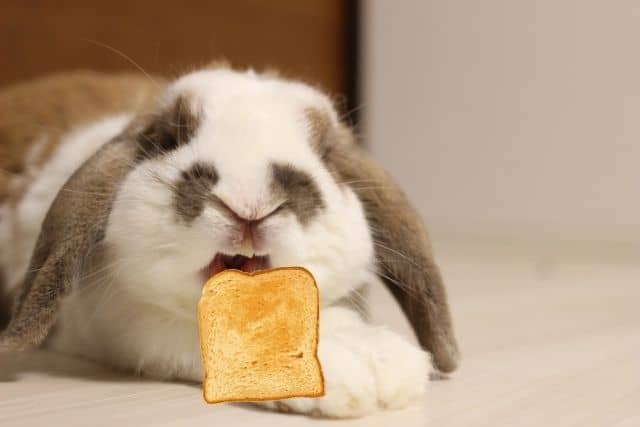
No, rabbits should not eat toast. While a tiny nibble is unlikely to cause an emergency, toast is made from processed grains that are high in starch and low in fiber. This combination is the opposite of what a rabbit's digestive system needs. Rabbits thrive on a fiber-rich diet built around hay, fresh leafy greens, and a small portion of pellets. Toast provides none of these nutritional benefits and can trigger serious digestive problems if eaten regularly or in large amounts.
As breeders, we have seen firsthand what happens when well-meaning owners share human snack foods with their rabbits. The results are never good. In this guide, we break down exactly why toast is harmful, what happens inside your rabbit's gut when they eat it, and what safe alternatives you can offer instead.
Why Is Toast Bad for Rabbits?
Toast is essentially bread that has been heated until crispy. The base ingredients in most bread include wheat flour, yeast, sugar, salt, and sometimes butter or oil. None of these ingredients belong in a rabbit's diet. Here is a closer look at why each component is problematic.
High Starch Content
Wheat flour is packed with starch. A single slice of white toast contains roughly 12 to 14 grams of starch. Rabbits lack the enzyme amylase in their saliva, which means starch digestion begins much later in their gut compared to humans. When undigested starch reaches the cecum, it ferments rapidly and produces excess gas. This gas buildup is painful and can escalate into a life-threatening condition called gastrointestinal (GI) stasis.
Low Fiber Content
Rabbits need a diet that is at least 20% to 25% crude fiber to keep their digestive tract moving. A slice of white toast contains less than 1 gram of fiber. Even whole wheat toast only provides about 2 grams per slice, which is still far too low. Without adequate fiber, gut motility slows down, and the risk of blockages increases significantly. Hay should make up around 80% of your rabbit's daily diet because it provides the long-strand fiber their gut depends on.
Added Sugar and Salt
Many commercial breads contain added sugars, honey, or molasses to improve taste. Some brands add 3 to 5 grams of sugar per slice. Rabbits have no nutritional need for refined sugar, and even small amounts can disrupt the delicate balance of bacteria in their cecum. Salt is another concern. Rabbits only need trace amounts of sodium, and the salt content in a single slice of toast (around 150 to 200 mg) can be excessive for a small animal weighing just 2 to 5 pounds.
Additives and Preservatives
Store-bought bread often contains preservatives like calcium propionate, emulsifiers, and dough conditioners. These chemicals are designed for human consumption and have not been studied for safety in rabbits. As a general rule, the more processed a food is, the less suitable it is for your rabbit.
What Happens If a Rabbit Eats Toast?
If your rabbit snagged a small corner of toast off your plate, there is no need to panic. A tiny amount is unlikely to cause immediate harm. However, you should monitor your rabbit closely for the next 12 to 24 hours for any of the following signs of digestive distress.
GI Stasis
Gastrointestinal stasis is the most serious risk. When a rabbit's gut slows down or stops moving entirely, bacteria in the intestines produce excessive gas. Your rabbit may hunch up, refuse to eat, and stop producing droppings. According to veterinary research on managing GI stasis, this condition can become fatal within 24 to 48 hours if left untreated. If your rabbit stops eating or pooping after consuming toast, contact your veterinarian immediately.
Diarrhea
The sudden introduction of starchy food can cause soft stools or true diarrhea. True diarrhea in rabbits, where the stool is entirely liquid, is a veterinary emergency. It is more common in young rabbits under 8 weeks old, but adult rabbits can also develop it after eating inappropriate foods. Check your rabbit's litter box regularly after any dietary mishap.
Uneaten Cecotrophs
Cecotrophs are the soft, nutrient-rich droppings that rabbits normally re-ingest directly from their body. When the cecum's bacterial balance is disrupted by starchy foods like toast, cecotrophs can become too mushy for the rabbit to eat properly. You may notice sticky droppings clinging to your rabbit's fur around the tail area. This is a sign that their diet needs correction. Increase hay intake and remove all treats until normal droppings return.
Weight Gain and Obesity
A single slice of white toast contains about 75 to 80 calories. For a 4-pound rabbit whose daily caloric needs are roughly 100 to 130 calories, that one slice represents over half their daily energy requirement with almost no nutritional value. Regular consumption of calorie-dense, low-fiber foods like toast leads to obesity, which in turn increases the risk of fatty liver disease, sore hocks, and reduced mobility.
Can Rabbits Eat Any Type of Bread or Toast?
Some owners wonder whether certain types of bread might be safer for rabbits. The short answer is no. All bread products share the same fundamental problem: they are starch-heavy, fiber-poor, and nutritionally empty for rabbits.
| Bread Type | Starch per Slice | Fiber per Slice | Safe for Rabbits? |
|---|---|---|---|
| White toast | ~14 g | ~0.6 g | No |
| Whole wheat toast | ~11 g | ~1.9 g | No |
| Multigrain toast | ~12 g | ~1.7 g | No |
| Sourdough toast | ~13 g | ~0.8 g | No |
| Rye toast | ~12 g | ~1.5 g | No |
Even whole wheat or multigrain options, which humans consider healthier, do not provide the type of fiber rabbits need. Rabbits require long-strand indigestible fiber from grasses and hay, not the short-chain fiber found in processed grains. The toasting process also removes moisture, making the bread even more concentrated in starch per gram.
This same logic applies to other processed grain products. Rice, crackers, and cereal all pose similar risks because they share the same high-starch, low-fiber profile.
What About Toast Toppings?
Toast is rarely eaten plain, and the toppings commonly added to it introduce additional dangers for rabbits.
- Butter and margarine: High in fat. Rabbits cannot process large amounts of dietary fat, and it can cause liver problems.
- Jam and jelly: Extremely high in sugar. Even a small lick can contribute to cecal dysbiosis.
- Peanut butter: High in fat and protein, both of which rabbits do not need in concentrated forms. It is also a choking hazard due to its sticky texture.
- Honey: Pure sugar. Disrupts gut flora rapidly.
- Avocado spread: Avocado contains persin, which is toxic to rabbits.
- Cream cheese: Rabbits are lactose intolerant. All dairy products should be avoided.
If your rabbit has eaten toast with any of these toppings, monitor them even more carefully and contact your vet if you notice lethargy, bloating, or changes in stool consistency.
What Should Rabbits Eat Instead of Toast?
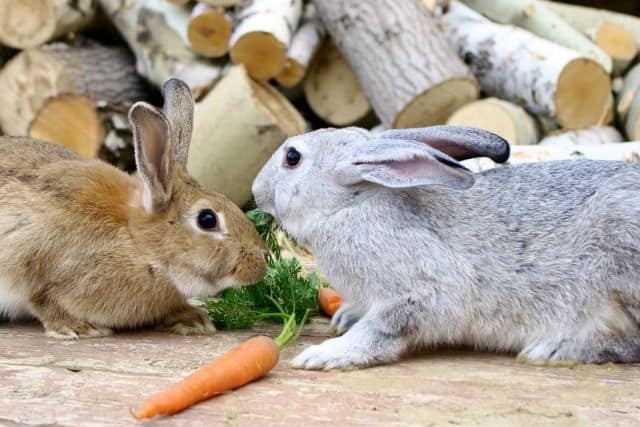
The ideal rabbit diet mirrors what wild rabbits eat: grasses, leafy plants, and the occasional foraged fruit. Here is the breakdown that experienced breeders follow.
The 80/10/5 Rule
A healthy adult rabbit's diet should consist of approximately:
- 80% hay (timothy, orchard grass, or meadow hay for adults; alfalfa for growing kits under 6 months)
- 10% to 15% fresh leafy greens (romaine lettuce, cilantro, parsley, basil, dandelion greens)
- 5% quality pellets (plain timothy-based pellets without colored bits or seeds)
Treats, including fruits, should make up no more than 5% of the total diet and should be offered no more than two times per week.
Safe Treat Alternatives
If you want to give your rabbit a special snack, skip the toast and choose one of these rabbit-safe options instead.
| Rabbit's Weight | Safe Treat Amount (Fruit) |
|---|---|
| Small breed (1 to 3.5 lbs) | 1 teaspoon |
| Medium breed (6 to 10 lbs) | 1 to 2 tablespoons |
| Large breed (9 to 12 lbs) | 2 to 3 tablespoons |
Source: Patry, Karen, et al. The Rabbit-Raising Problem Solver. Storey Publishing, 2014.
Good fruit options include small pieces of apple (without seeds), banana, strawberry, blueberry, and watermelon. These fruits contain natural sugars, so portion control is essential. Leafy herbs like basil, cilantro, and parsley are even better treat options because they provide fiber along with flavor.
How to Rabbit-Proof Your Kitchen and Snack Areas
Prevention is always better than treatment. Rabbits are curious animals, and free-roaming bunnies will investigate anything they can reach. Here are practical steps to keep toast and other unsafe foods away from your rabbit.
- Store bread in closed containers or cabinets. Rabbits can easily pull items off low counters or tables.
- Never leave plates unattended. If your rabbit has free roam time, clear all food from accessible surfaces before letting them out.
- Use baby gates or playpens. Block kitchen access during meal preparation and eating times.
- Educate family members. Make sure children and visitors know not to share human food with the rabbit, no matter how cute the begging looks.
- Provide hay and safe toys during free roam. A rabbit with access to hay and enrichment activities is less likely to seek out forbidden snacks.
What to Do If Your Rabbit Ate Toast
Accidents happen. If your rabbit has eaten a small amount of toast, follow these steps:
- Stay calm. A small nibble is unlikely to be life-threatening for an otherwise healthy adult rabbit.
- Remove the toast immediately. Make sure no more is accessible.
- Offer unlimited hay. The extra fiber will help push the starchy food through your rabbit's system and support healthy gut motility.
- Monitor droppings. Check the litter box over the next 12 to 24 hours. Normal droppings should be round, dry, and uniform in size. Any changes in size, shape, or consistency are a warning sign.
- Watch for behavioral changes. Lethargy, teeth grinding (a sign of pain), hunched posture, or refusal to eat are all red flags that require veterinary attention.
- Skip treats for a few days. Let your rabbit's gut recover with a hay-only supplement to their regular pellet and greens routine.
If your rabbit ate a large amount of toast (more than a full slice) or shows any signs of distress, contact your rabbit-savvy veterinarian right away. Time is critical with GI issues in rabbits.
Frequently Asked Questions
Can rabbits eat a tiny piece of toast as a rare treat?
It is best to avoid giving toast to rabbits entirely, even in small amounts. While a tiny piece is unlikely to cause an emergency, it provides zero nutritional benefit and there are many safer treat options available. Fresh fruits like apple or banana are much better choices for an occasional reward.
Is whole wheat toast safer for rabbits than white toast?
No. Whole wheat toast still contains high levels of starch and far too little fiber for a rabbit's needs. The type of fiber in whole wheat bread is not the long-strand fiber that rabbits require for proper gut function. All bread products should be kept away from rabbits regardless of the grain type used.
My rabbit ate toast and is not pooping. What should I do?
A rabbit that stops producing droppings for more than 10 to 12 hours may be experiencing GI stasis, which is a veterinary emergency. Offer unlimited hay, gently massage your rabbit's abdomen, encourage movement, and contact your vet immediately. Do not wait to see if it resolves on its own.
Can baby rabbits eat toast?
Absolutely not. Young rabbits under 12 weeks old have even more sensitive digestive systems than adults. Their gut flora is still developing, and introducing starchy processed foods like toast can cause severe, potentially fatal diarrhea. Kits should eat only their mother's milk, alfalfa hay, and age-appropriate pellets.
Why does my rabbit seem to like toast so much?
Rabbits are naturally attracted to calorie-dense foods because their wild instincts drive them to seek out high-energy sources. The starch in toast breaks down into sugars that rabbits find appealing. However, just because a rabbit wants to eat something does not mean it is safe for them. Many foods that rabbits eagerly eat can cause serious harm.
Cite this article:
Cite this article:
BunnySync (March 18, 2026) Can Rabbits Eat Toast? Why Bread Is Bad for Bunnies. Retrieved from https://bunnysync.com/blog/can-rabbits-eat-toast.
"Can Rabbits Eat Toast? Why Bread Is Bad for Bunnies." BunnySync - March 18, 2026, https://bunnysync.com/blog/can-rabbits-eat-toast
Sources and further reading
- Patry, Karen, et al. The Rabbit-Raising Problem Solver: Your Questions Answered about Housing, Feeding, Behavior, Health Care, Breeding, and Kindling. Storey Publishing, 2014.
- Uneaten Caecotrophs in Rabbits (National Library of Medicine)
- Managing GI Stasis in Rabbits (Vet Times)
- Understanding the Basics of Rabbit Care (Utah State University Extension)