Rabbit Food Recall Database
Want to check if your rabbit's food is safe? We've made a database of rabbit foods that have been recalled.
Recalled Rabbit & Pet Foods (7 found)
Last Updated: September 30, 2026 Data from: FDA Recalls Database (Curated)
What To Do If Your Rabbit's Food Is Recalled
Stop feeding the recalled food immediately. You should also stop touching it, seal it away, and keep it hidden immediately (don't throw it away). The reason why you should not touch it is that some products get recalled because they're dangerous to both pets and humans.
Contact the company and tell them that you're in possession of a recalled product. Most companies would refund you immediately to keep you as a customer. They might ask for a photo of the receipt or the product itself.
Talk to your veterinarian for proper advice if your rabbit ate a lot of recalled products. You should also ask your veterinarian for a proper diet change or alternatives to the recalled product because a rabbit's diet should be changed slowly.
Observe your rabbit's behavior for the next few weeks to make sure that it doesn't have any symptoms associated with the recalled food. You should also watch out for digestive problems because sudden changes to your rabbit's diet could trigger some digestive problems.
Note: This database is for informational purposes only. Always check the FDA website for the most up-to-date recall information and consult with your veterinarian if you have concerns about your rabbit's food.
How This Rabbit Food Recall Database Works
This rabbit food recall database pulls directly from the FDA's openFDA enforcement API, the same data source veterinarians and pet food retailers use. We filter the results to show only recalls relevant to rabbit owners, including pellets, hay products, treats, and multi-species pet foods.
Each entry shows the recall date, brand, product description, the reason it was recalled, the FDA classification (Class I, II, or III), and the current status. You can click the FDA link on any entry to read the full enforcement report with lot numbers and distribution details.
We built this tool because most rabbit owners have no idea pet food recalls exist until it's too late. Commercial rabbit pellets and hay can be contaminated with Salmonella, contain undeclared allergens, or have elevated levels of harmful substances. Staying informed is the easiest way to protect your rabbits.
Understanding FDA Recall Classes
The FDA assigns every food recall a classification based on how dangerous the product is. Understanding these classes helps you decide how urgently to act when you see a recall that matches food in your rabbitry.
| Class | Severity | What It Means | Your Response |
|---|---|---|---|
| Class I | Dangerous / Life-Threatening | Reasonable probability of serious health consequences or death in pets or humans who handle the food | Stop feeding immediately. Contact vet. Do not handle without gloves. |
| Class II | Moderate Risk | May cause temporary or medically reversible health problems. Probability of serious consequences is low. | Stop feeding. Monitor your rabbit. Contact manufacturer for refund. |
| Class III | Low Risk | Not likely to cause health problems but violates FDA labeling or manufacturing regulations | Stop feeding if possible. Contact manufacturer. Low urgency. |
Common Reasons Pet Foods Get Recalled
Pet food recalls happen for several recurring reasons. Knowing the common causes helps you evaluate risk, even before a formal recall is announced.
Salmonella Contamination
Salmonella is the most frequent trigger for pet food recalls. It can contaminate pellets, hay, and treats during manufacturing. Salmonella is dangerous to both rabbits and humans who handle the food. Symptoms in rabbits include diarrhea, lethargy, and loss of appetite. In severe cases, septicemia can be fatal.
Elevated Vitamin D Levels
Vitamin D toxicity in pet food occurs when manufacturing errors add too much of the vitamin. Rabbits do not tolerate excess Vitamin D well. It can cause kidney damage, elevated calcium levels, and organ failure. This type of recall is almost always Class I.
Aflatoxin Contamination
Aflatoxins are toxic compounds produced by mold that grows on grains and corn. Pet foods containing contaminated ingredients can have dangerous aflatoxin levels. This is particularly relevant for rabbit pellets, which are grain-based. Aflatoxin poisoning causes liver damage and can be fatal even at relatively low concentrations.
Foreign Objects and Metal Fragments
Manufacturing equipment failures can introduce metal fragments, plastic pieces, or other foreign objects into pet food. While less common than contamination recalls, these present choking hazards and potential internal injuries.
Mislabeled Ingredients
Some recalls happen because the label does not accurately list ingredients. For rabbits, this matters when a food contains undeclared animal by-products, artificial preservatives, or ingredients that are unsafe for herbivores. These are usually Class II or III recalls.
How to Check If Your Rabbit's Food Has Been Recalled
Checking whether your rabbit's food is affected by a recall takes just a few minutes. Here's what to do.
Step 1: Find the Product Details
Look at your rabbit food packaging for the brand name, product name, lot number (usually printed or stamped on the bag), and expiration or "best by" date. Keep this information handy.
Step 2: Search Our Database
Scroll through the recall table above and look for your brand. If you find a matching brand, compare the product description and check the recall date range. Not every product from a recalled brand is affected - specific lot numbers and production dates determine which bags are included.
Step 3: Check the FDA Source
Click the FDA link on any recall entry to see the full enforcement report. This includes exact lot numbers, UPC codes, distribution regions, and the quantity of product involved. Match your bag's lot number against the listed numbers.
Step 4: Sign Up for Alerts
The FDA offers free email alerts for new pet food recalls at fda.gov/safety/recalls. We also recommend bookmarking this page and checking it monthly, especially if you buy in bulk.
Choosing Safe Rabbit Food: What to Look For
No brand is immune to recalls, but some food choices reduce your risk. Here is what we look for when selecting food for our own rabbits.
Pellet Selection
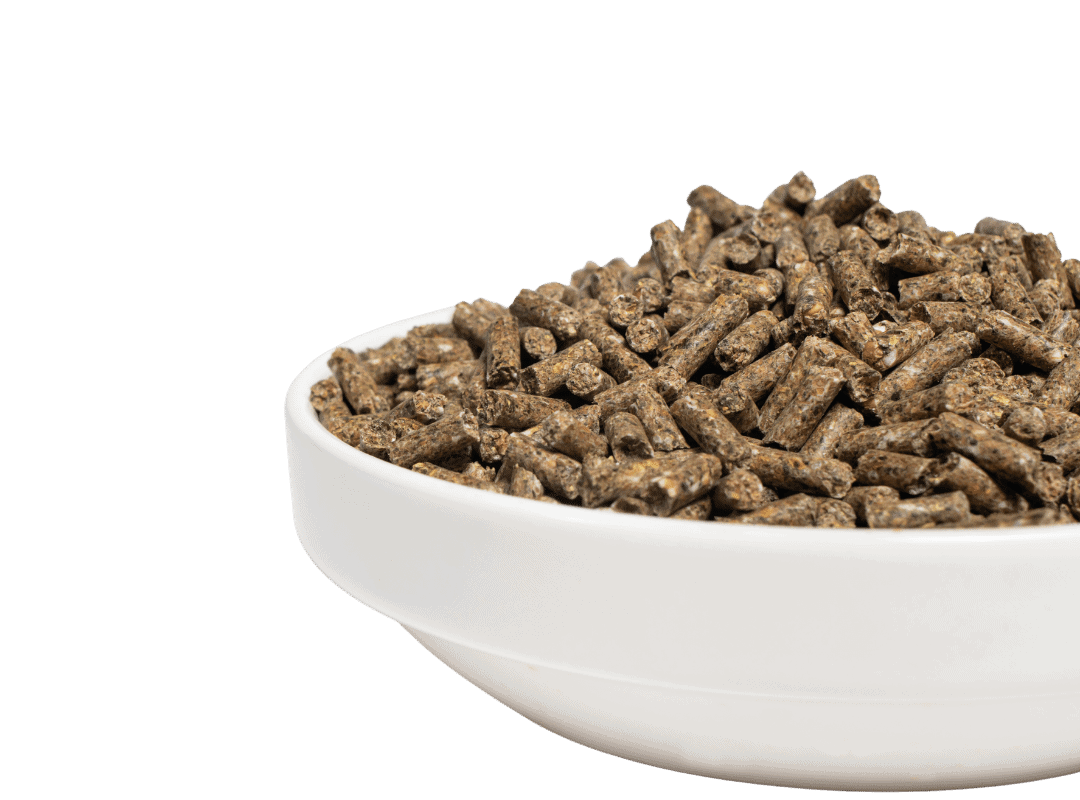
Choose plain timothy-based pellets without added seeds, corn, or dried fruit pieces. Muesli-style mixes encourage selective eating and the added ingredients increase contamination risk during manufacturing. A good pellet should list timothy hay as the first ingredient, with crude fiber at 18% or higher and protein around 14%.
Hay Quality
Buy hay that smells fresh and green, not dusty or musty. Mold on hay produces the same aflatoxins that trigger commercial food recalls. Store hay in a dry, well-ventilated area. If you open a bale and it smells "off" or has visible white or gray patches, throw it away. No brand is worth risking your rabbits' health.
Treats and Supplements
Commercial rabbit treats are recalled more often than you would expect. Many contain added sugars, yogurt coatings, or artificial colors that rabbits should never eat. The safest treats are fresh herbs like cilantro, parsley, and basil, or small pieces of fruit. You control the quality when you source treats yourself.
Storage Matters
Even uncontaminated food can become unsafe with poor storage. Keep pellets in a sealed container away from heat and moisture. Use pellets within 90 days of opening the bag, as the vitamin content degrades and the risk of mold increases over time. Never mix old pellets with a new bag.
Frequently Asked Questions
How often is the rabbit food recall database updated?
Our database pulls from the FDA's openFDA enforcement API, which is updated as new recalls are issued. We refresh our data regularly so you always see the most current rabbit and pet food recalls available from federal records.
What do FDA recall classes mean for rabbit food?
Class I means the food could cause serious health problems or death. Class II means the food might cause temporary or reversible health issues. Class III means the food is unlikely to cause health problems but violates FDA regulations. Always treat Class I recalls as urgent.
What should I do if my rabbit ate recalled food?
Stop feeding the recalled product immediately and seal it away. Contact the manufacturer for a refund, then call your veterinarian for advice. Monitor your rabbit closely for digestive issues, lethargy, or loss of appetite over the following weeks.
Are rabbit pellets included in pet food recalls?
Yes. Rabbit pellets, hay products, and treats all fall under FDA pet food regulation. Recalls can affect any commercial rabbit food product. Our database filters specifically for recalls relevant to rabbit owners, including multi-species pet food recalls.
Can recalled pet food make my rabbit seriously ill?
It depends on the recall class and reason. Salmonella contamination or toxic metal levels (Class I) can be life-threatening. Mislabeled ingredients (Class II or III) may be less dangerous but still warrant removal. Rabbits have sensitive digestive systems, so take every recall seriously.
How can I check if a specific rabbit food brand has been recalled?
Use our database table above to search by brand name. You can also check the FDA's official recall portal at fda.gov or sign up for FDA email alerts. Keep your food packaging so you can match lot numbers and expiration dates to specific recalls.